Overview
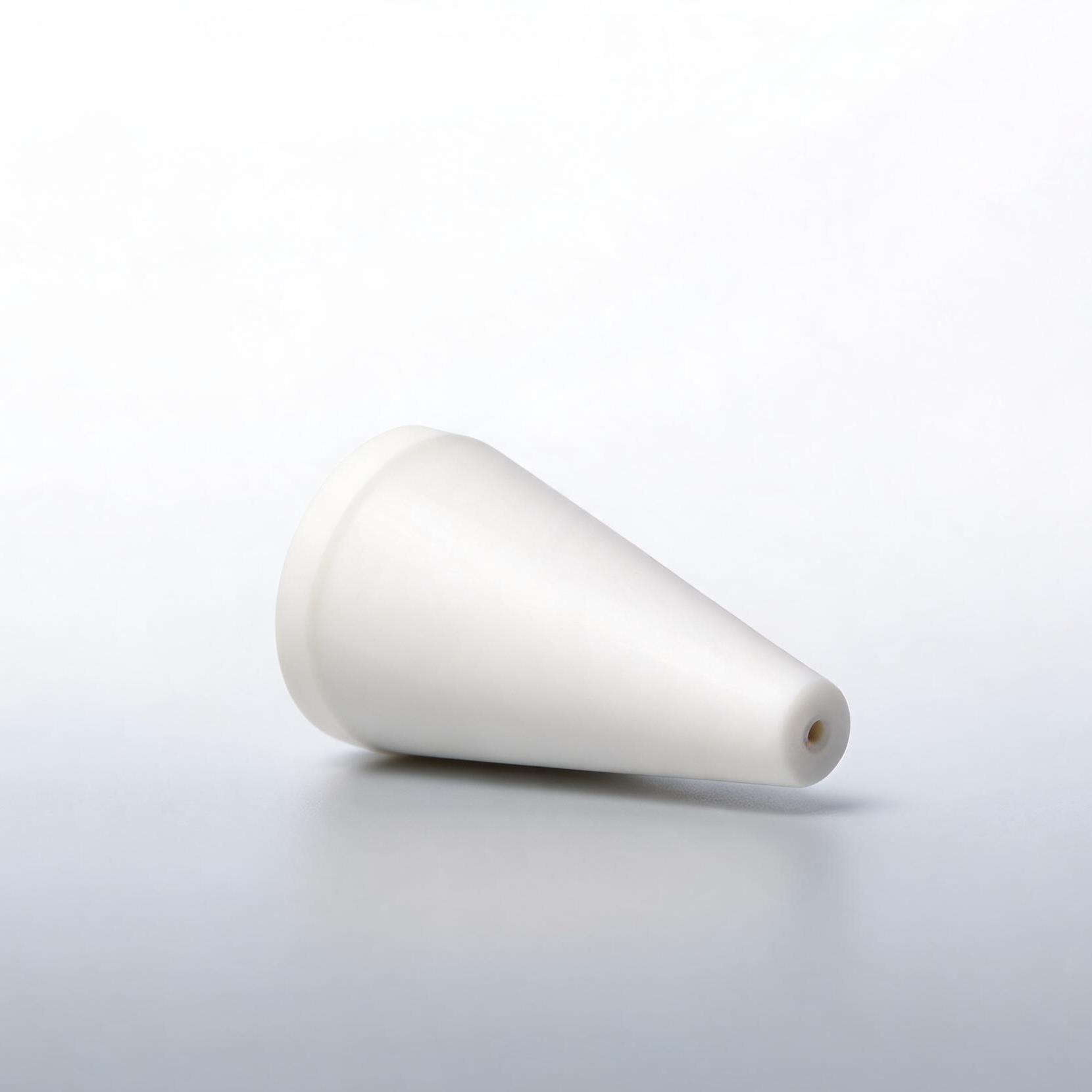
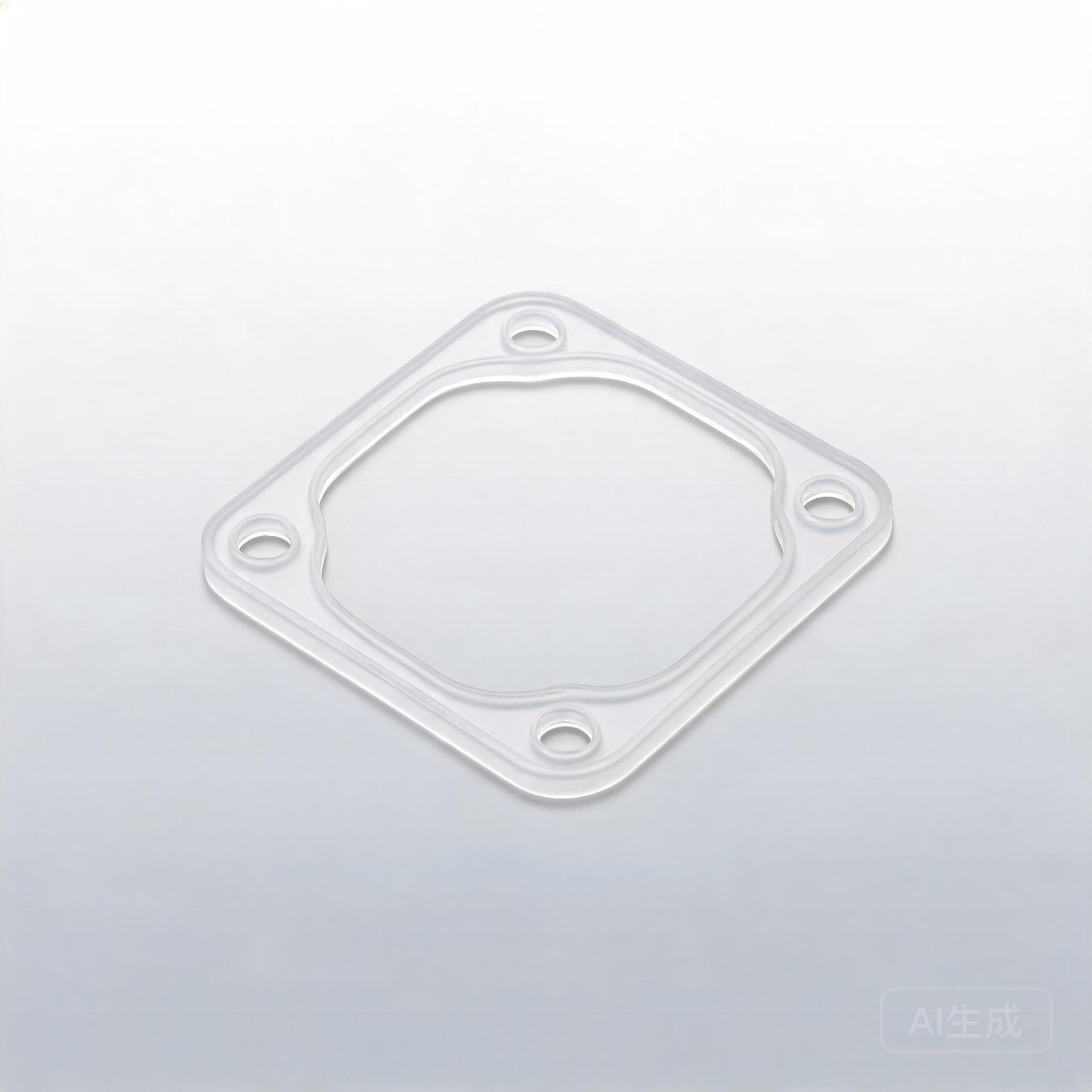
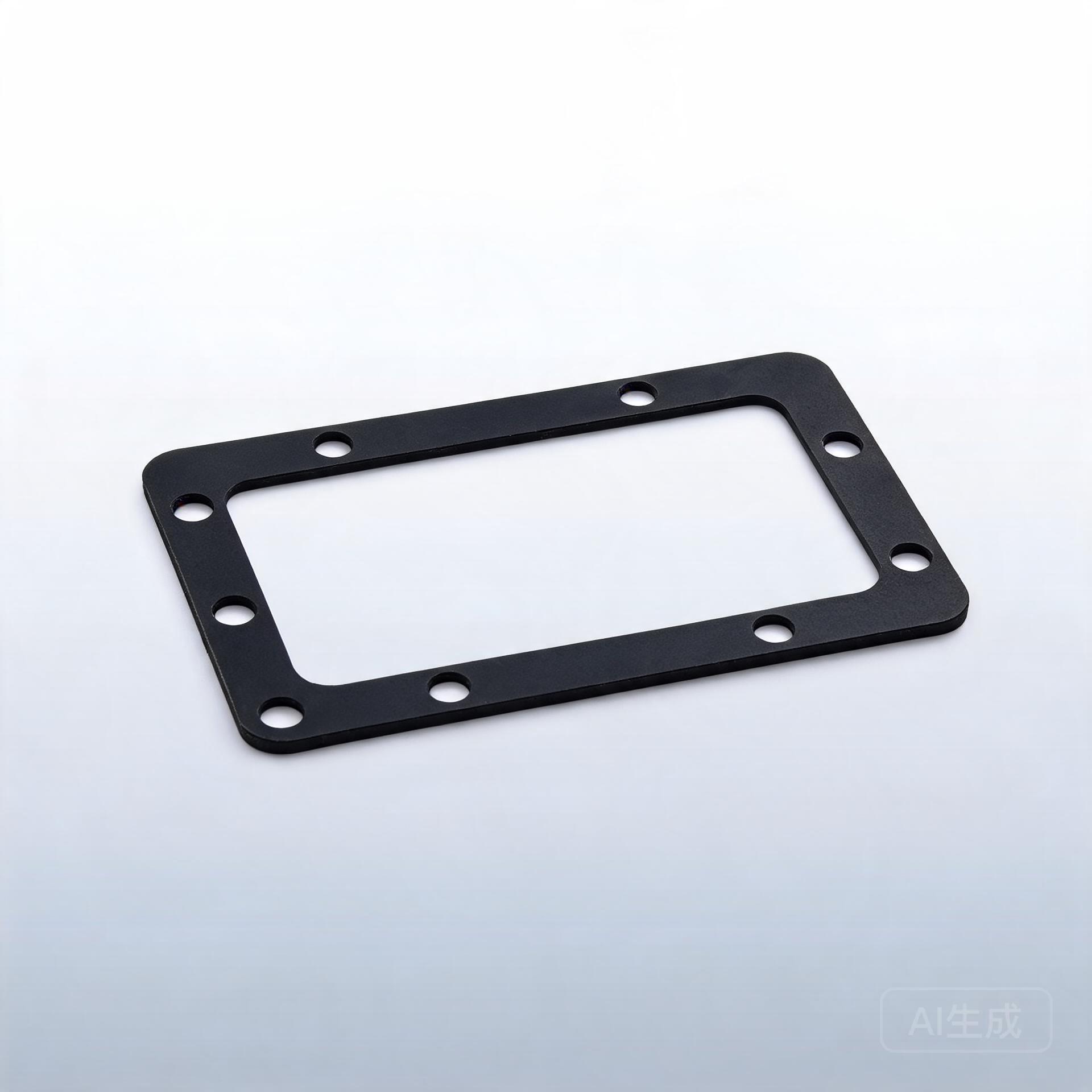
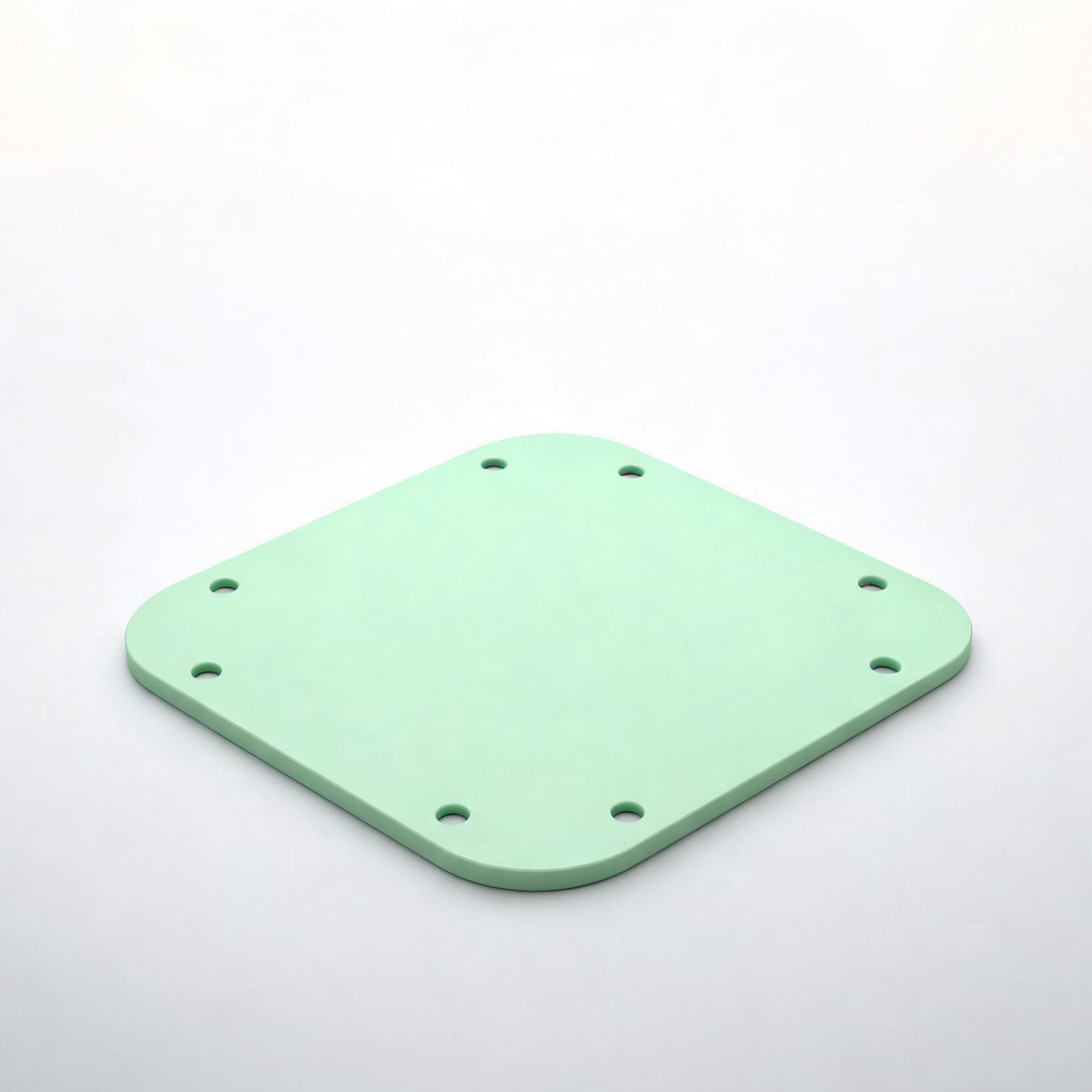
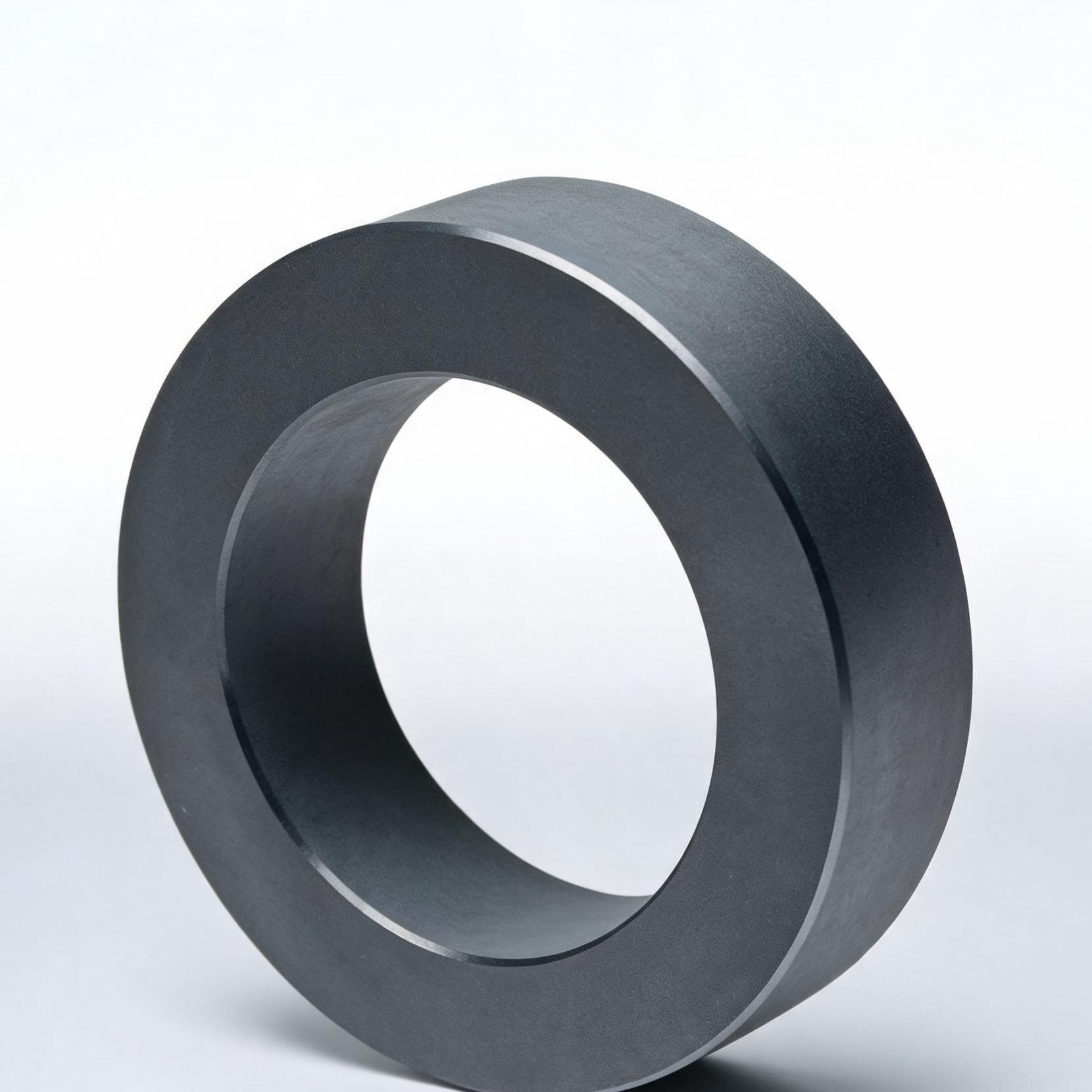
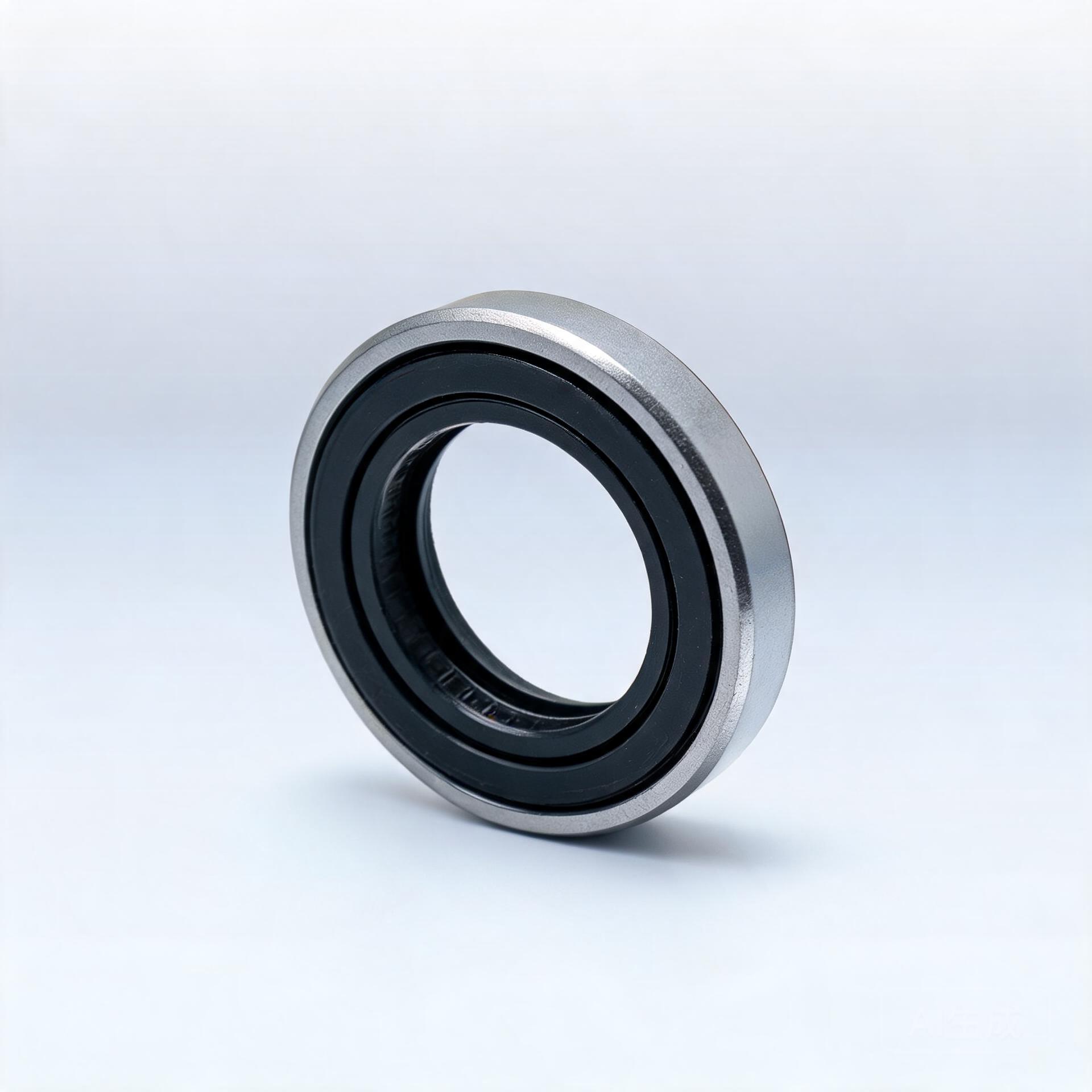
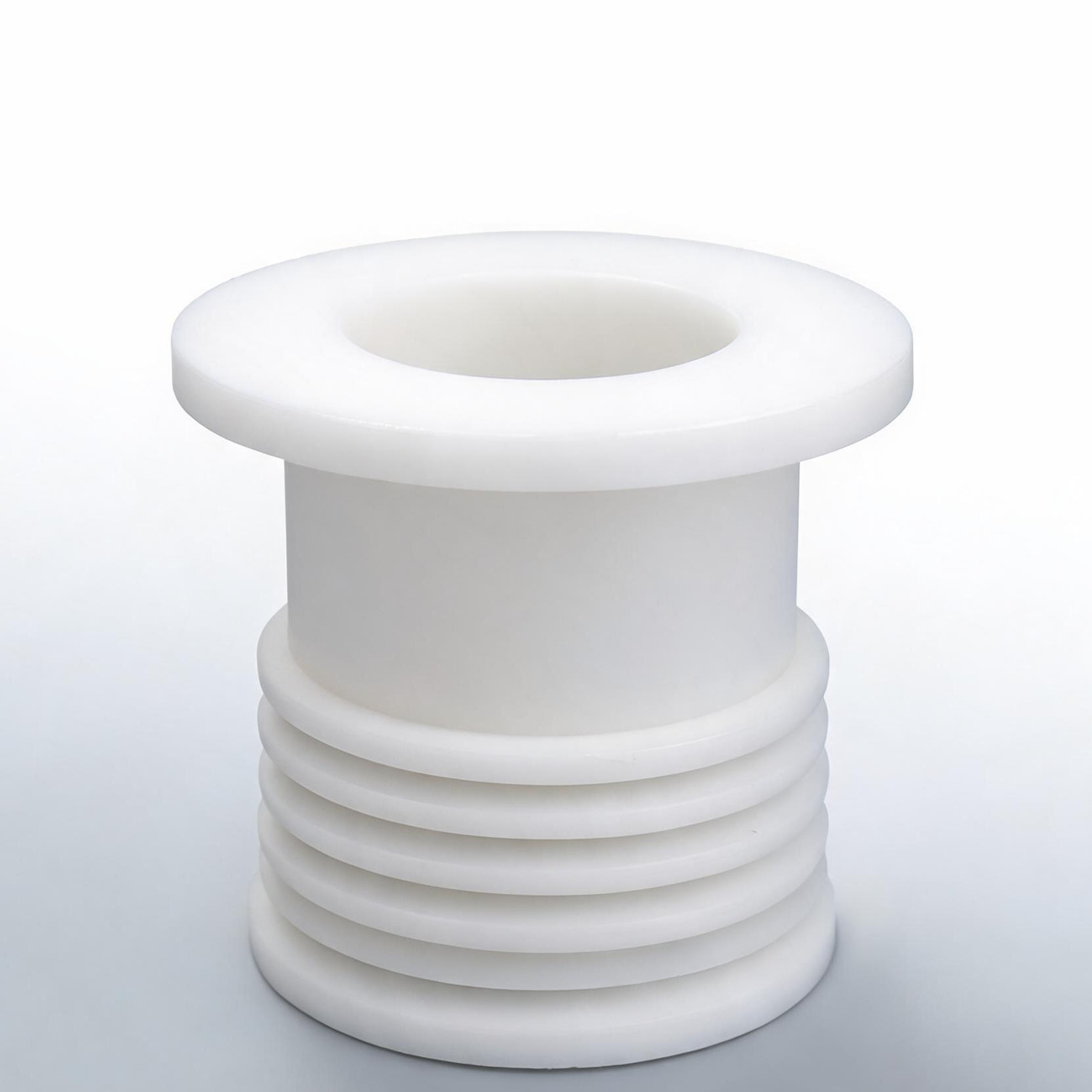
Alumina ceramic insulators are high-purity aluminum oxide (Al₂O₃) components used to electrically isolate live conductors from grounded structures in high-voltage and high-temperature equipment. With exceptional dielectric strength, high hardness, and thermal stability up to 1,600°C, machined alumina outperforms plastics and most metals wherever electrical isolation, wear resistance, and thermal endurance must be combined.
ORRO Manufacturing machines 95%, 99%, and 99.5% alumina insulators to tight tolerances using diamond tooling, then diamond-laps critical sealing and locating faces to sub-micron flatness. The result is an insulation component that holds dimensional accuracy through thermal cycling and resists arc tracking, chemical attack, and abrasive wear.
Material Properties
| Property | 95% Alumina | 99.5% Alumina |
|---|---|---|
| Density (g/cm³) | 3.60 - 3.75 | 3.85 - 3.95 |
| Hardness (HV) | 1,100 - 1,400 | 1,500 - 1,700 |
| Flexural Strength (MPa) | 280 - 320 | 350 - 400 |
| Compressive Strength (MPa) | 2,000 - 2,500 | 2,500 - 3,000 |
| Max Service Temperature (°C) | 1,400 | 1,600 |
| Dielectric Strength (kV/mm) | 12 - 15 | 15 - 18 |
| Volume Resistivity (Ω·cm) | >10¹⁴ | >10¹⁵ |
| Thermal Conductivity (W/m·K) | 16 - 20 | 28 - 30 |
| Thermal Expansion (10⁻⁶/K) | 7.5 - 8.0 | 7.5 - 8.0 |
Key Advantages
- High Dielectric Strength: Withstands 12-18 kV/mm, enabling compact insulators for high-voltage equipment.
- Thermal Stability: Retains mechanical strength to 1,400-1,600°C, far beyond any engineering plastic.
- Wear and Abrasion Resistance: Hardness approaching the diamond-tooling range resists erosion in abrasive service.
- Chemical Inertness: Unaffected by most acids, alkalis, and molten salts at elevated temperature.
- Dimensional Stability: Low thermal expansion keeps clearances and press fits accurate through thermal cycling.
- Creep Resistance: Maintains shape under sustained compressive load at high temperature.
Typical Applications
High-Voltage Switchgear and Circuit Breakers
Alumina insulators separate live conductors from earthed housings in vacuum interrupters, GIS bushings, and arc chambers, where dielectric strength and arc resistance are critical.
Semiconductor and Vacuum Equipment
Used as insulating spacers, feedthrough bodies, and plasma-chamber insulators in etch and deposition tools, where purity and vacuum compatibility are essential.
Industrial Heating and Furnaces
Serve as standoffs, tube supports, and thermocouple protection sheaths in furnaces operating to 1,600°C.
Machining Capabilities
| Parameter | Capability |
|---|---|
| Tolerance | ±0.01 mm (ground), ±0.05 mm (green machining) |
| Surface Finish | Ra 0.2 - 0.4 μm (diamond lapped) |
| Size Range | 3 mm to 300 mm diameter |
| Key Processes | Diamond grinding, ultrasonic machining, lapping |
Application Case
Vacuum interrupter insulator, 99.5% alumina — A switchgear OEM required cylindrical insulators with a 0.02 mm wall-thickness tolerance and Ra 0.4 μm sealing faces to hold vacuum integrity. ORRO machined the parts from isostatically pressed alumina billets, diamond-ground the sealing surfaces, and delivered 2,400 pieces in 18 days with 100% dimensional inspection and helium leak testing.