Overview
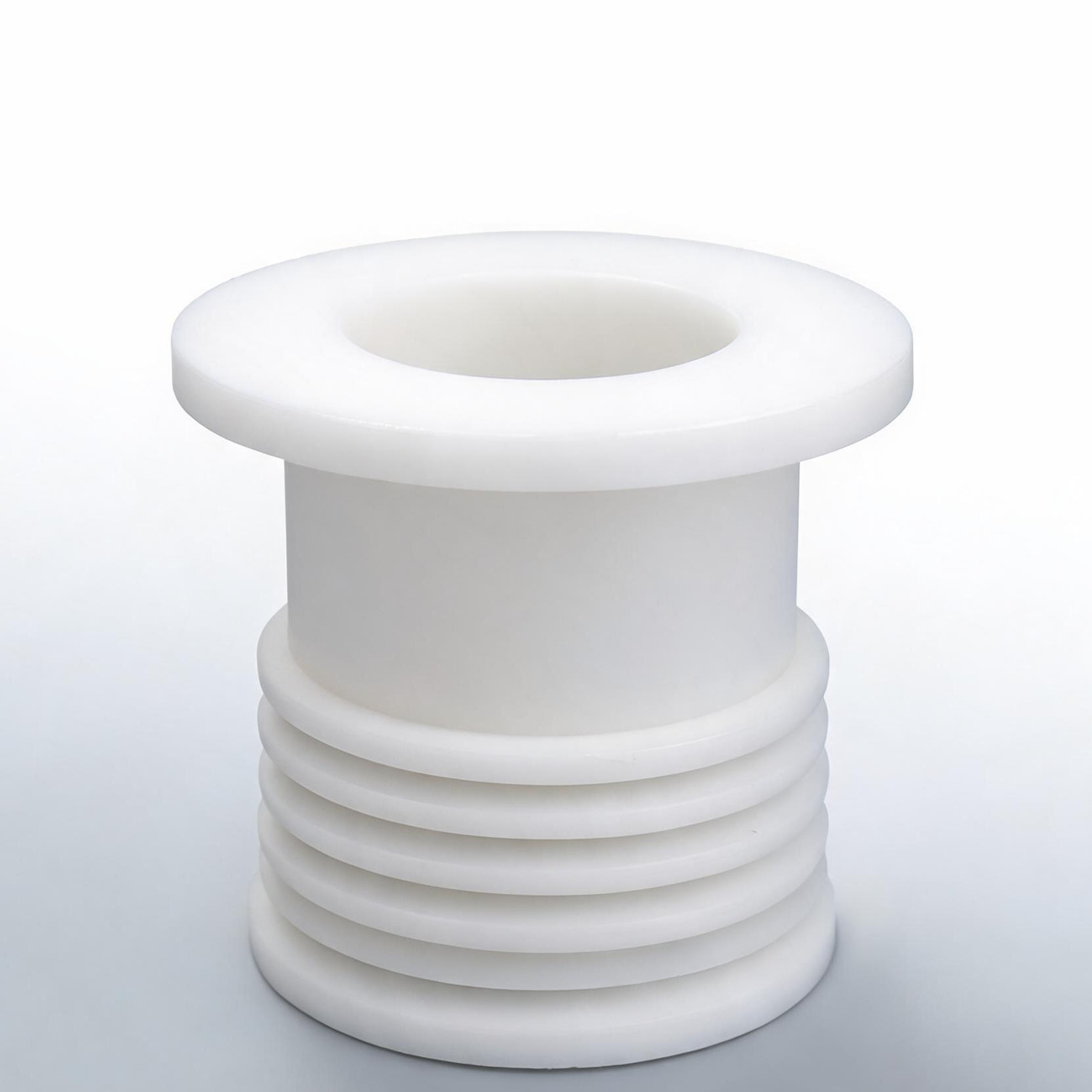
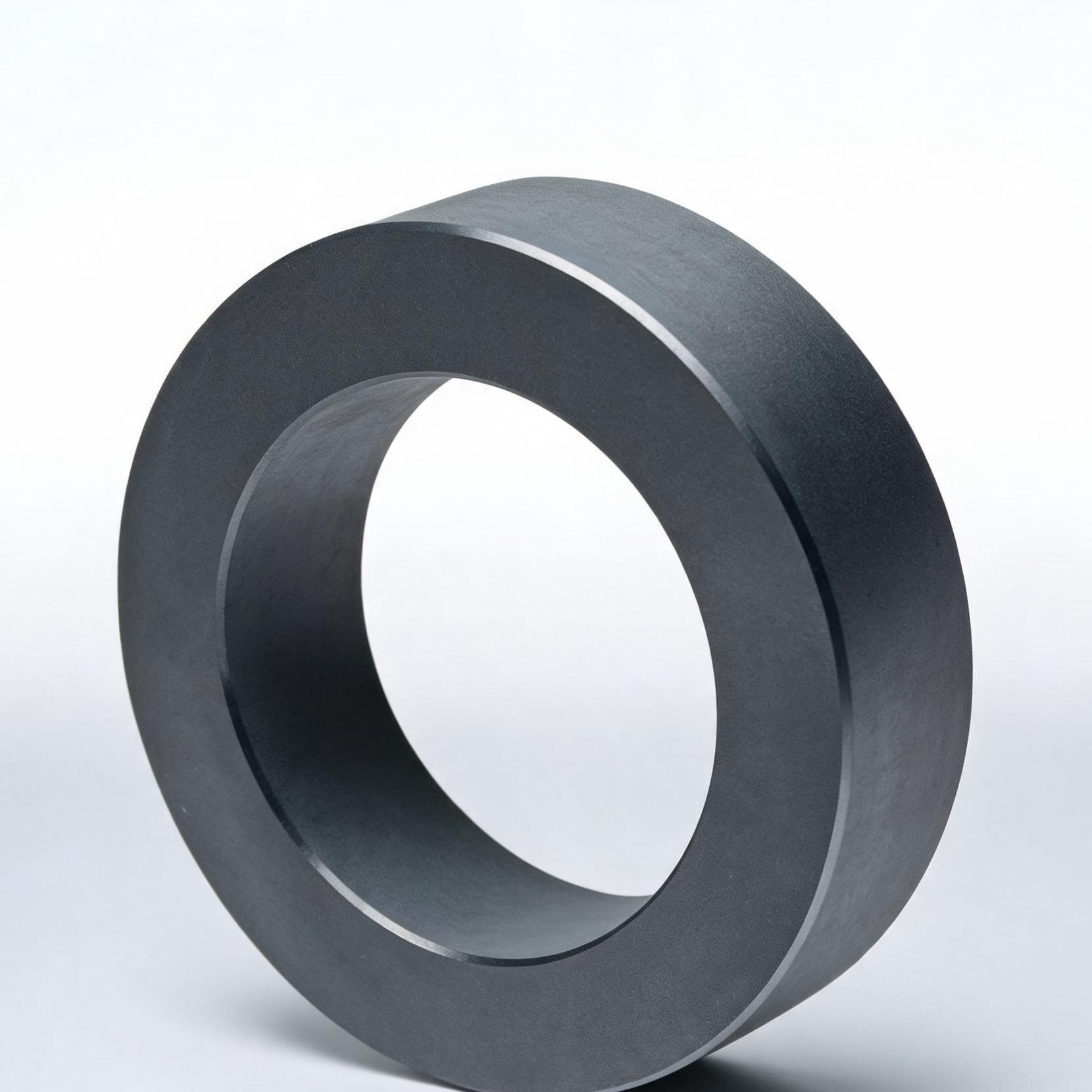
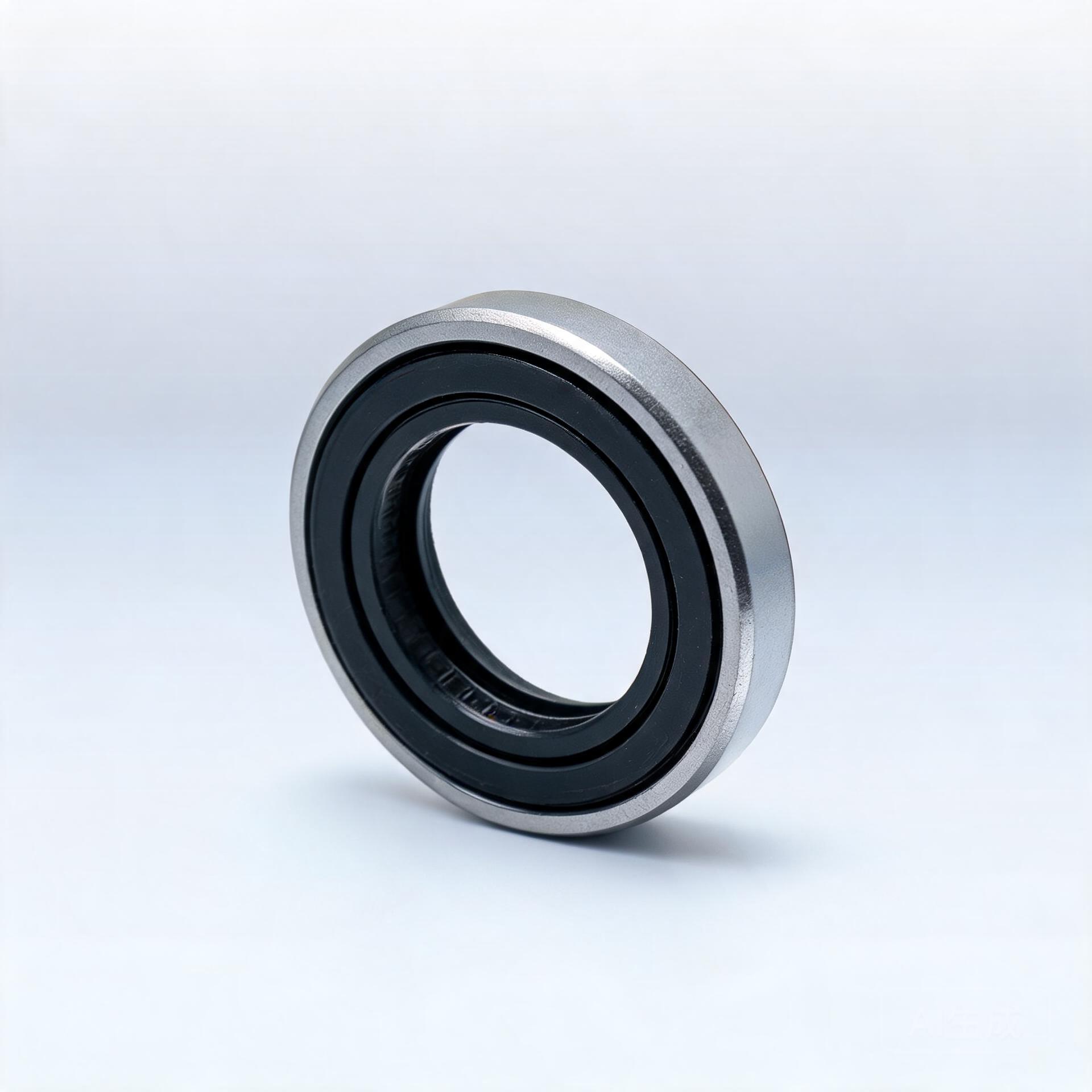
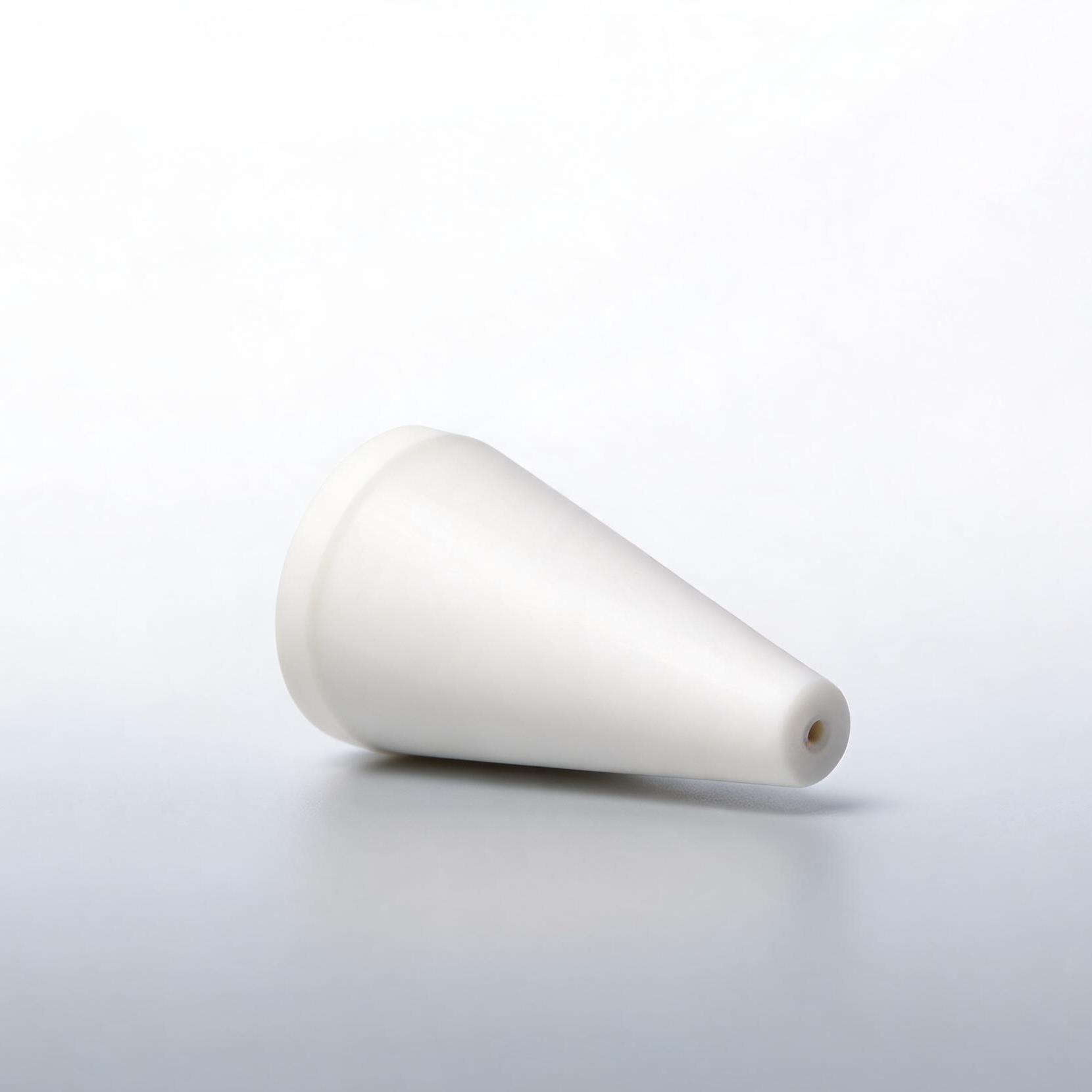
Zirconia (ZrO₂) ceramic nozzles are high-toughness ceramic components used where extreme abrasion resistance, high hardness, and thermal insulation are required at the same time. Unlike alumina, zirconia offers transformation toughening that gives it the highest fracture toughness of any engineering ceramic — up to 12 MPa·m¹ᐟ² — making it the material of choice for abrasive-blast nozzles, cutting tools, and high-wear orifice components.
ORRO Manufacturing machines yttria-stabilized zirconia (Y-TZP) nozzles with diamond tooling and precision grinding to hold bore concentricity and finish the critical flow passages. The result is a long-life nozzle that resists erosion from abrasive media, withstands thermal shock, and maintains its flow characteristics far longer than carbide or steel alternatives.
Material Properties
| Property | Y-TZP (Zirconia) |
|---|---|
| Density (g/cm³) | 5.90 - 6.05 |
| Hardness (HV) | 1,200 - 1,400 |
| Flexural Strength (MPa) | 900 - 1,200 |
| Fracture Toughness (MPa·m¹ᐟ²) | 8 - 12 |
| Max Service Temperature (°C) | 1,000 - 1,500 |
| Thermal Conductivity (W/m·K) | 2 - 3 |
| Thermal Expansion (10⁻⁶/K) | 10.5 |
| Dielectric Strength (kV/mm) | 9 - 12 |
Key Advantages
- Highest Toughness of Any Ceramic: Transformation toughening resists chipping and crack propagation under impact.
- Superior Abrasion Resistance: Hardness of 1,200-1,400 HV outlasts tungsten carbide in abrasive-blast service by 5-10×.
- Low Thermal Conductivity: 2-3 W/m·K keeps heat from transferring into adjacent structures.
- Thermal Shock Resistance: Tolerates rapid temperature changes far better than alumina.
- Smooth, Low-Friction Bore: Ground and polished flow passages reduce turbulence and media buildup.
- Chemically Inert: Unaffected by most acids, alkalis, and molten metals.
Typical Applications
Abrasive Blasting and Shot Peening
Zirconia nozzles are the premium choice for sandblasting, grit blasting, and shot-peening equipment, where bore erosion directly determines nozzle life and operating cost.
Water-Jet and Cutting Systems
Used as focusing tubes and orifice inserts in abrasive water-jet cutting, resisting the erosive slurry for hundreds of hours.
Molten Metal and High-Temperature Orifices
Serve as pour nozzles, thermocouple sheaths, and flow-control orifices in foundries and glass processing.
Machining Capabilities
| Parameter | Capability |
|---|---|
| Tolerance | ±0.01 mm (ground bore), ±0.05 mm (general) |
| Surface Finish | Ra 0.2 - 0.4 μm (polished bore) |
| Size Range | 3 mm to 150 mm diameter |
| Key Processes | Diamond grinding, ultrasonic machining, lapping |
Application Case
Abrasive blast nozzle, Y-TZP — A surface-treatment equipment supplier needed 8 mm bore nozzles that would outlast tungsten carbide by at least five times in 24-mesh aluminum-oxide blasting. ORRO produced ground Y-TZP nozzles with a ±0.01 mm bore tolerance and Ra 0.3 μm finish, delivering 1,500 units in 14 days. Field trials confirmed a service life of more than 600 hours per nozzle.