Overview
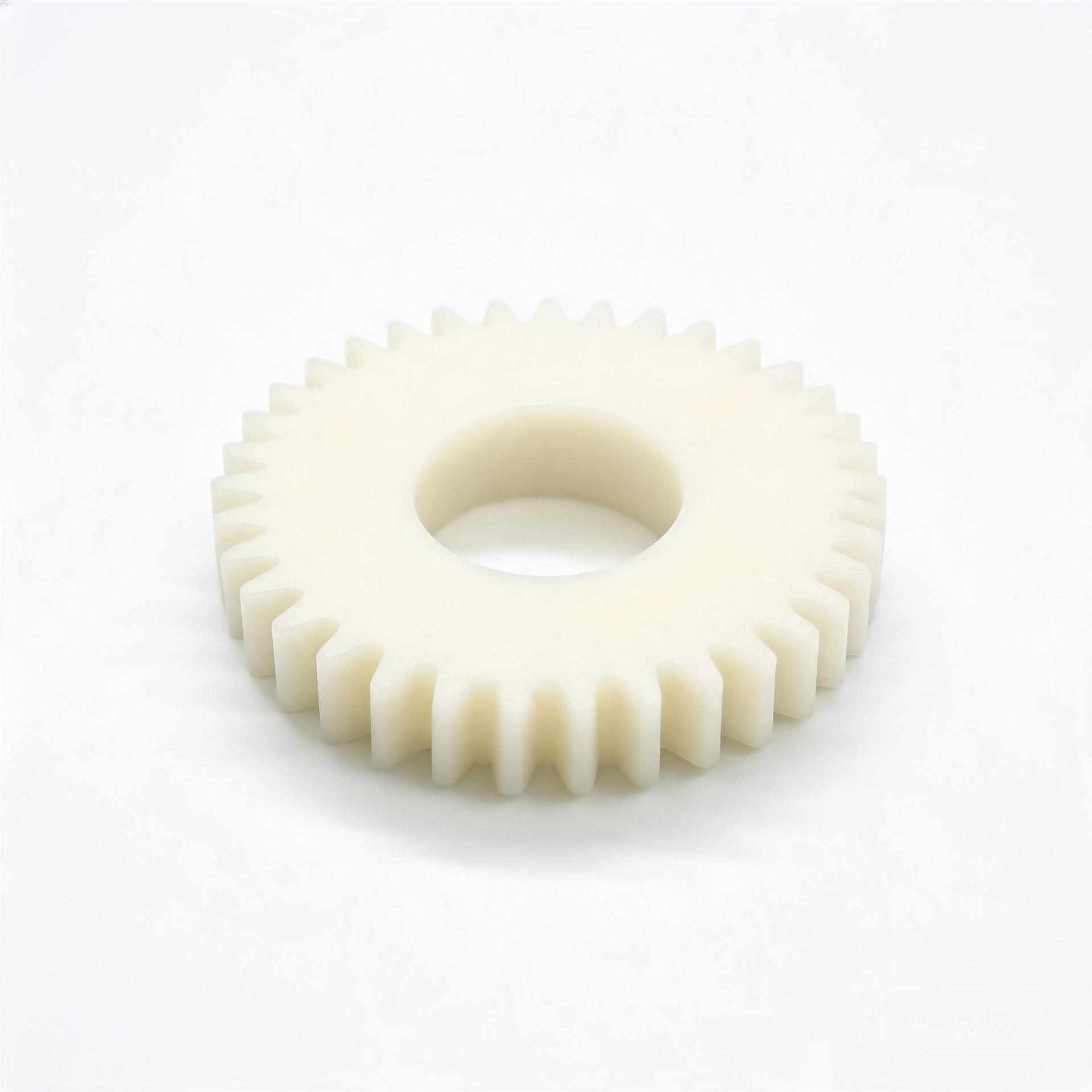
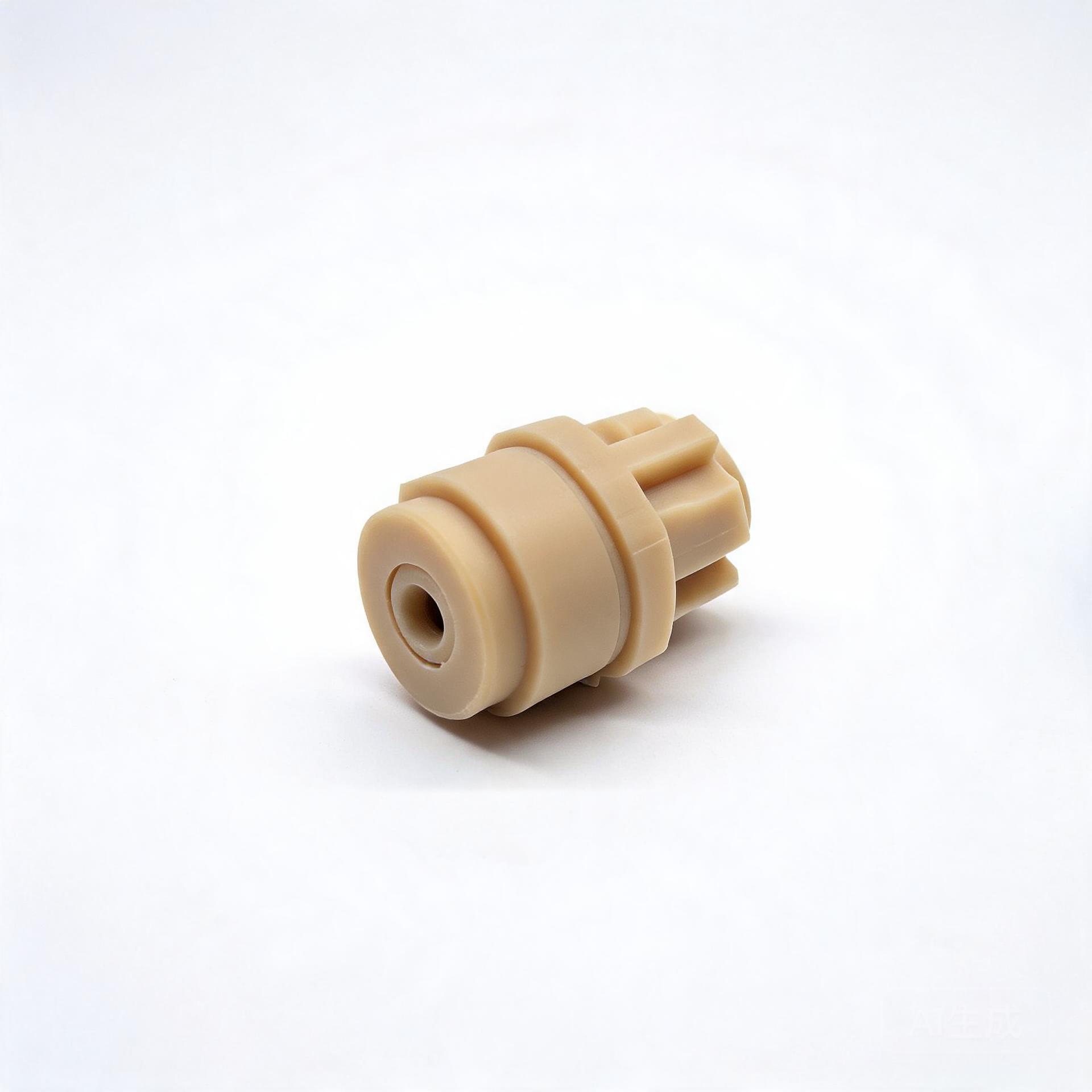
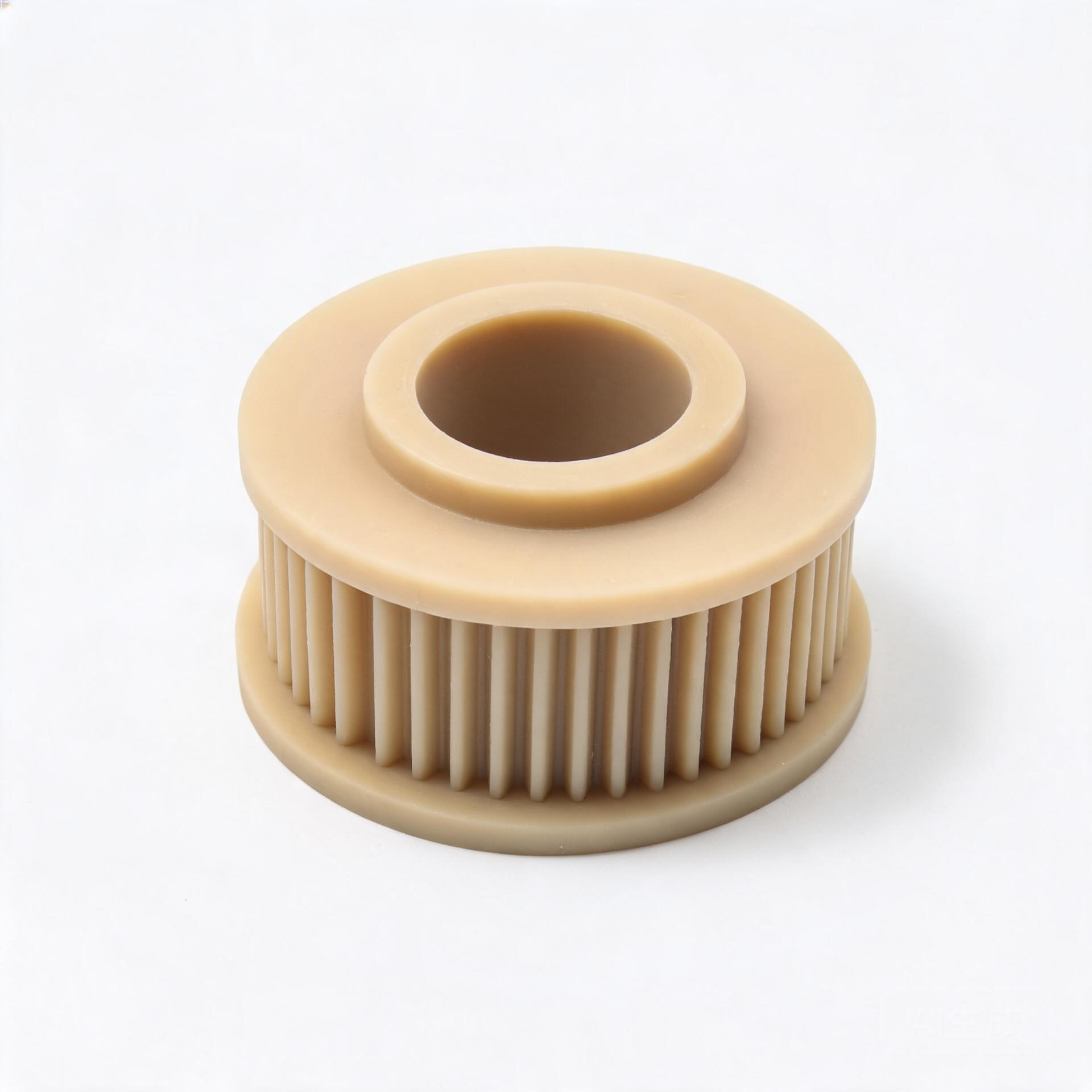
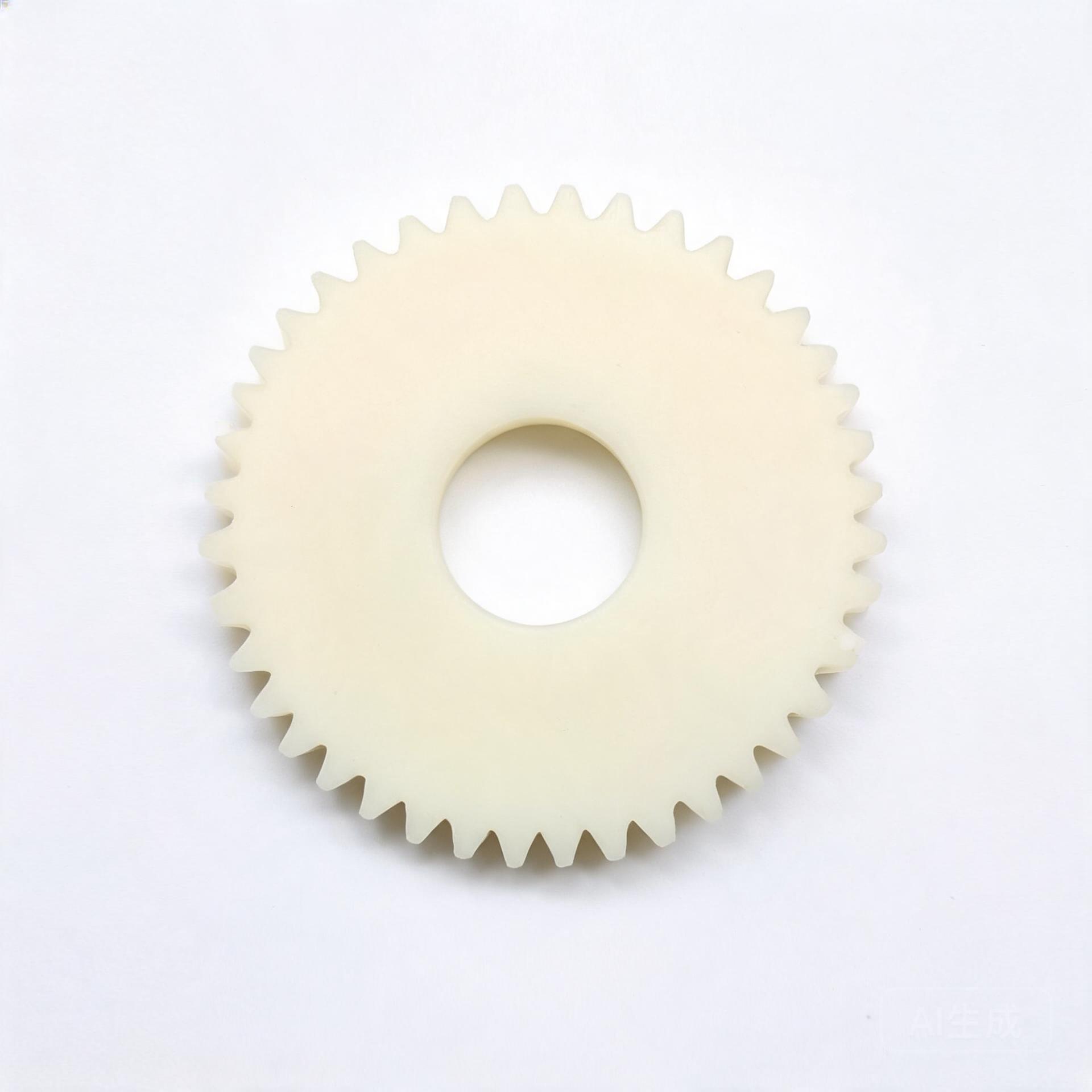
Nylon sprockets are precision-machined chain drive components used to transmit rotary motion and torque to roller chains in conveyor systems, packaging lines, and light-to-medium duty power transmission assemblies. Manufactured from polyamide (PA6 and PA66) and modified nylon grades, these sprockets combine high strength and toughness with low weight, inherent vibration damping, and excellent resistance to wear and corrosion. Unlike steel sprockets, nylon sprockets require no external lubrication in many applications, run more quietly, and resist rust and chemical attack, making them well suited to food processing, material handling, and washdown environments. OrroMFG produces nylon sprockets using CNC machining and injection molding, delivering accurate tooth profiles, concentric bores, and repeatable performance for demanding drive systems.
Nylon sprockets offer a favorable combination of mechanical performance and cost efficiency. Their low density, approximately one-eighth that of steel, reduces rotational inertia and chain loading, enabling faster acceleration and lower drive power requirements. The natural lubricity of nylon minimizes chain wear and operating noise, while its resilience absorbs shock loads that would otherwise damage metal sprockets. OrroMFG manufactures sprockets in single-strand, multi-strand, and custom configurations, with plain, keyed, or bushed bores and hardened inserts where higher torque is required. Common modifications include oil-filled nylon for reduced friction, glass-filled grades for increased stiffness and load capacity, and molybdenum-disulfide additives for enhanced wear resistance. Every sprocket is produced to tight tolerances to ensure smooth chain engagement, uniform tooth loading, and long service life.
Key Features
- Lightweight Construction: Low density reduces rotational inertia, chain tension, and motor load, allowing faster acceleration and lower power consumption than steel sprockets.
- Self-Lubricating Operation: Nylon’s natural lubricity reduces chain wear and friction, enabling lubrication-free operation in many conveyor and packaging drives.
- Quiet, Low-Vibration Running: Inherent damping absorbs chain noise and vibration, improving the working environment around high-throughput equipment.
- Corrosion and Chemical Resistance: Nylon does not rust and resists most dilute acids, alkalis, and cleaning agents used in washdown and sanitation programs.
- Shock Load Absorption: High impact toughness tolerates chain snatch, misalignment, and shock loads that would crack or chip metal sprockets.
- Custom Tooth Profiles and Bores: Machined tooth forms, keyed or bushed bores, and hub configurations are tailored to specific chain pitches and drive layouts.
Material Specifications
| Property | Nylon PA6 | Nylon PA66 | Oil-Filled Nylon (PA66 + MoS₂) | 30% Glass-Filled Nylon |
|---|---|---|---|---|
| Density (g/cm³) | 1.13 - 1.15 | 1.14 - 1.16 | 1.15 - 1.20 | 1.35 - 1.40 |
| Tensile Strength (MPa) | 70 - 85 | 80 - 90 | 75 - 85 | 150 - 180 |
| Tensile Modulus (GPa) | 2.5 - 3.0 | 2.8 - 3.3 | 2.8 - 3.2 | 8.0 - 10.0 |
| Flexural Strength (MPa) | 95 - 110 | 105 - 120 | 100 - 115 | 200 - 240 |
| HDT at 1.8 MPa (°C) | 65 - 75 | 90 - 100 | 90 - 105 | 200 - 215 |
| Continuous Service Temp (°C) | 90 - 100 | 100 - 120 | 100 - 120 | 120 - 140 |
| Hardness (Rockwell R) | 110 - 115 | 115 - 120 | 110 - 118 | 118 - 125 |
| Coefficient of Friction | 0.25 - 0.40 | 0.25 - 0.40 | 0.15 - 0.25 | 0.30 - 0.45 |
| Water Absorption (24h, %) | 1.6 - 2.0 | 1.0 - 1.5 | 0.9 - 1.4 | 0.6 - 1.0 |
| Fatigue Strength (MPa, 10⁷ cycles) | 20 - 25 | 25 - 30 | 22 - 28 | 45 - 55 |
| Charpy Impact Strength (kJ/m²) | 5 - 8 | 4 - 6 | 4 - 6 | 6 - 9 |
Applications
Material Handling
Nylon sprockets are widely used in conveyor systems for package handling, sorting, and accumulation, driving roller chains on accumulation conveyors, transfer units, and pallet handling equipment. Their low weight reduces chain tension and motor load, while their resilience tolerates the misalignment and shock common in high-throughput distribution centers. Because they do not rust, nylon sprockets remain serviceable in humid or intermittently washed environments.
Industrial Automation
In automated production lines, nylon sprockets drive indexing conveyors, robot infeed and outfeed chains, and synchronized transfer mechanisms. Their low inertia supports rapid start-stop cycles, and their natural damping reduces the vibration that degrades positioning accuracy in precision automation. Oil-filled grades further reduce friction for high-cycle indexing operations.
Packaging
Nylon sprockets are common in packaging machinery including case sealers, cartoners, labelers, and film wrapping systems. They transmit drive to chain-based product conveyors and film transport chains while running quietly and without lubrication, which prevents oil contamination of packaging materials. Glass-filled grades are selected where higher torque and tooth load capacity are required.
Food & Beverage
In food and beverage plants, nylon sprockets drive washdown conveyors, bottle and can handling lines, and bakery and filling equipment. Nylon resists the mild acids, alkalis, and cleaning agents used in sanitation programs, and its corrosion resistance eliminates the rust and paint flaking associated with steel sprockets. Food-contact-compatible grades and white or natural colors are available for hygiene-sensitive lines.
Textile Machinery
Nylon sprockets are used in textile and nonwoven equipment to drive yarn transport chains, fabric feed chains, and winding mechanisms. Their light weight and low friction reduce power consumption and heat generation, while their quiet running improves the working environment around high-speed spinning and weaving machinery.
Operating Conditions
- Temperature Range: -40°C to +100°C (-40°F to +212°F) continuous service for standard PA6; PA66 and glass-filled grades operate up to +120°C at reduced load
- Load Capacity: Suitable for light-to-medium chain loads; glass-filled grades handle higher torque and tooth loading
- Speed: Peripheral chain speeds up to approximately 3 m/s in continuous operation; higher speeds are acceptable at reduced load
- Lubrication Compatibility: Self-lubricating in many applications and compatible with mineral oils, greases, and dry-film lubricants where added life is desired
- Chemical Compatibility: Resistant to most dilute acids, alkalis, alcohols, and cleaning agents; not recommended for strong acids or phenolic solvents
- Moisture and Humidity: Operates in humid and washdown conditions; moisture absorption causes slight dimensional change, so tolerances are set to allow for swelling
- Shock and Vibration: High impact toughness absorbs shock loads and chain snatch that would damage metal sprockets
- Abrasive Environments: Oil-filled and MoS₂-modified grades improve wear life in dusty or mildly abrasive conditions
Material Comparison
| Material | Strength | Temp Range | Wear Resistance | Cost | Best For |
|---|---|---|---|---|---|
| Nylon PA6 / PA66 | Good | -40 to +120°C | Good | Low-Medium | Quiet, self-lubricating, corrosion-free drives |
| POM (Acetal) | Good | -40 to +90°C | Very Good | Medium | Precision drives needing higher stiffness and low moisture uptake |
| UHMW-PE | Fair | -200 to +80°C | Excellent | Medium | Very low friction, high-impact, low-load applications |
| Cast Iron | Very High | -40 to +250°C | Excellent | Medium | High-torque, heavy-duty industrial drives |
| Steel | Very High | -40 to +300°C | Excellent | Medium-High | High-load, high-speed power transmission |
Choose nylon sprockets when:
- Quiet, low-vibration operation is required in or near production areas
- Lubrication-free or minimal-lubrication drive operation is preferred
- Corrosion resistance and washdown capability are needed
- Low weight and reduced chain and motor loading are beneficial
- Shock and misalignment tolerance are important for reliability
- Cost-effective, easily replaceable wear components are desired
Customization Options
- Material Grades: Nylon PA6, nylon PA66, oil-filled nylon, molybdenum-disulfide-filled nylon, 30% glass-filled nylon, and UV-stabilized grades
- Tooth Profiles: ANSI, ISO/DIN, and custom tooth geometries; single, double, and triple strand configurations
- Size Range: Pitch diameters from 20 mm to 600 mm; chain pitches from 6 mm to 50 mm
- Bore Options: Plain, keyed, splined, set-screw, and taper-lock bushed bores finished to customer specification
- Hub Configurations: Solid, webbed, spoked, and extended-hub designs
- Inserts and Reinforcements: Steel or bronze bushing inserts and keyed metal hubs for higher torque capacity
- Tolerance Grades: Machined to IT7-IT9 tolerances with controlled runout, concentricity, and tooth profile accuracy
- Surface Finishing: Deburring, tumble polishing, and chamfered teeth for smooth chain engagement
- Color Options: Natural, white, black, and custom colors for identification or hygiene requirements
- Secondary Operations: Keyway broaching, threading, drilling, and assembly with chains, hubs, and tensioners
Quality Assurance
OrroMFG is committed to producing nylon sprockets of consistent precision and reliability. Our ISO 9001:2015 certified facilities combine CNC machining and injection molding with disciplined process control to deliver sprockets that meet customer drawings and performance requirements. Dedicated production cells and material handling procedures protect components from contamination and moisture exposure during manufacturing.
Quality control begins with incoming verification of nylon resin grade, moisture content, and certification against material data sheets. In-process inspection includes dimensional checks with coordinate measuring machines (CMM) and optical comparators, tooth profile and pitch verification, bore and keyway measurement, and concentricity and runout checks. Finished sprockets undergo final inspection covering critical dimensions, tooth form, and surface condition, with sampling for wear and load testing where required. Products are supplied with material certificates (COA), dimensional inspection reports, and full batch traceability. First article inspection (FAI) reports are available for new or critical parts, ensuring every nylon sprocket we deliver performs reliably in its intended drive system.