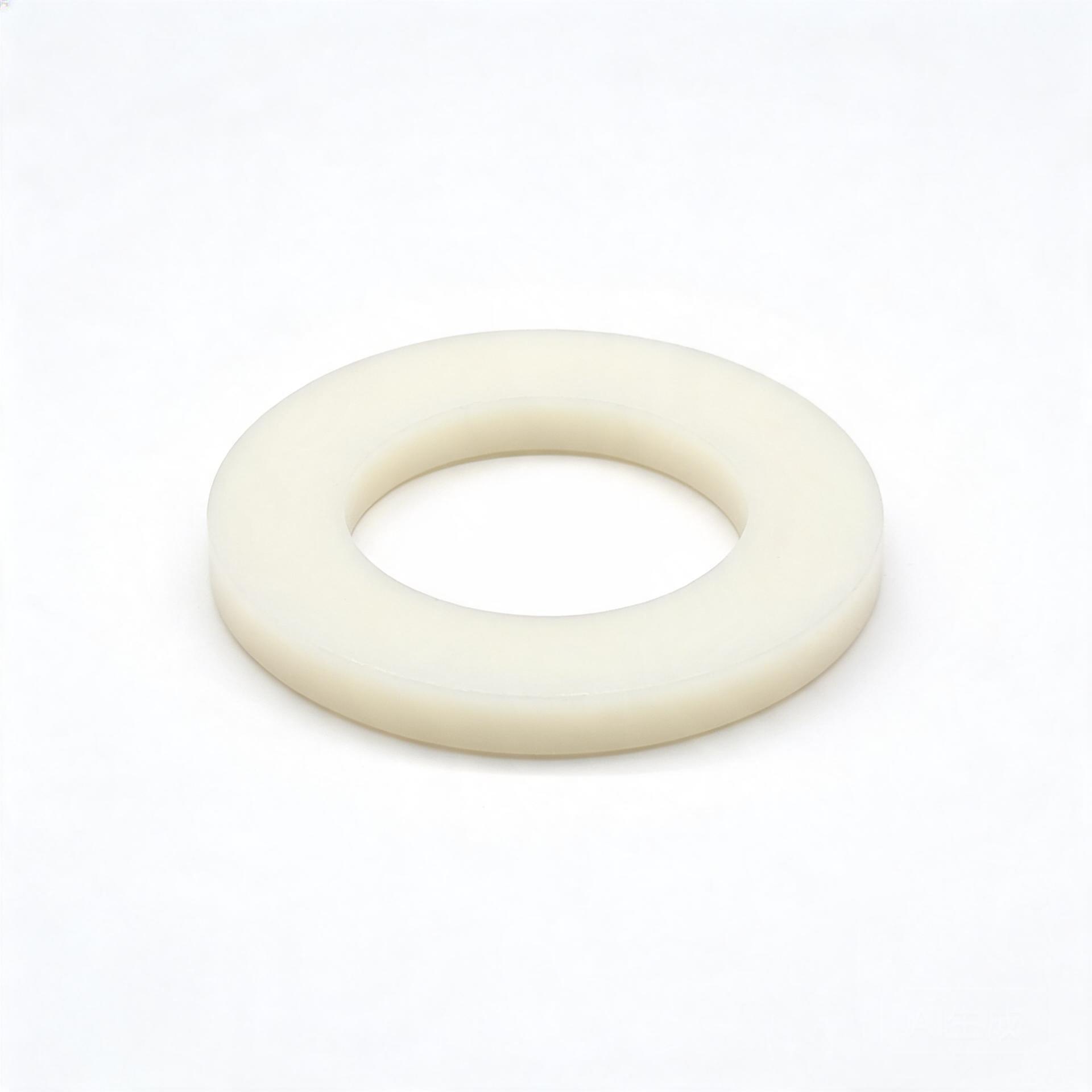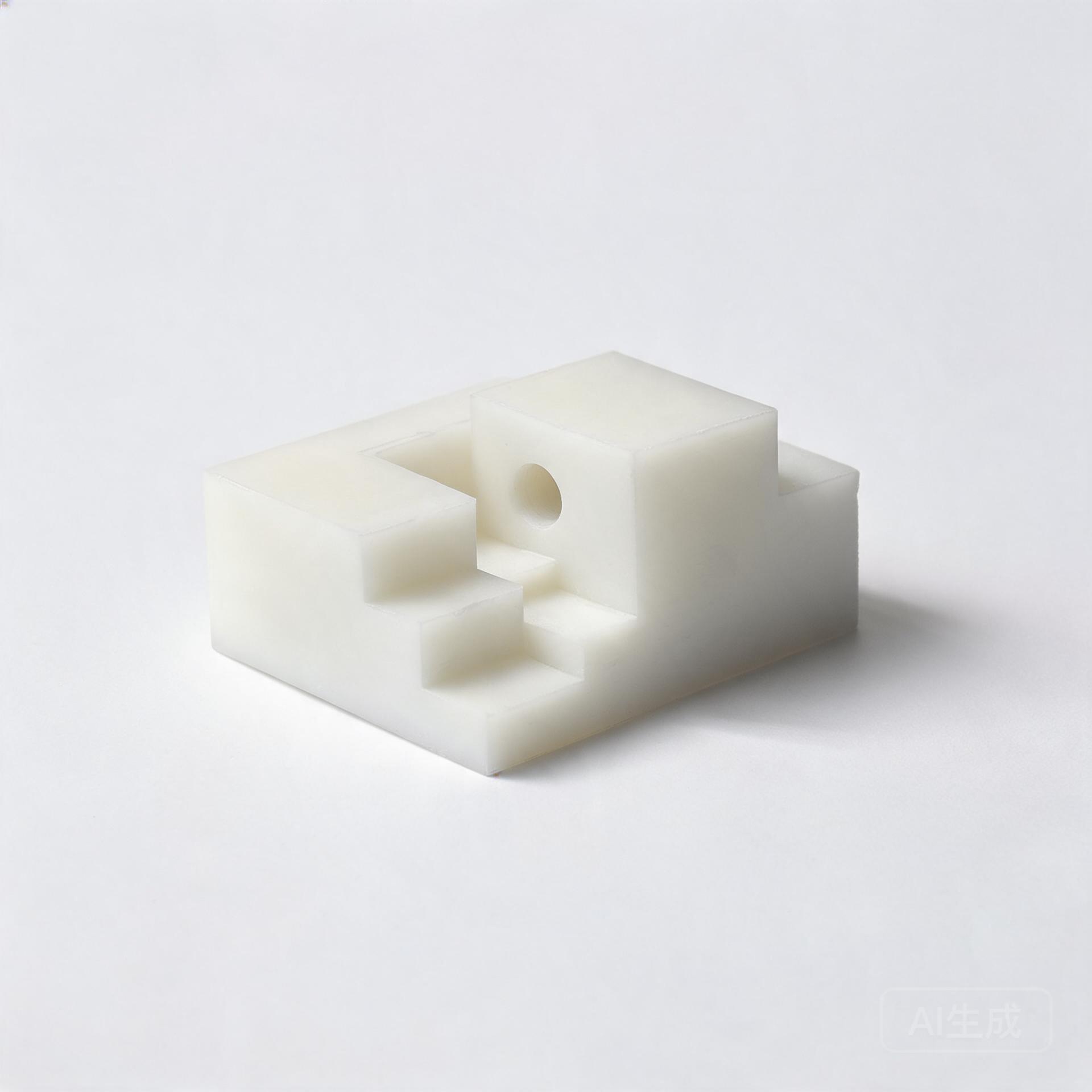
Overview
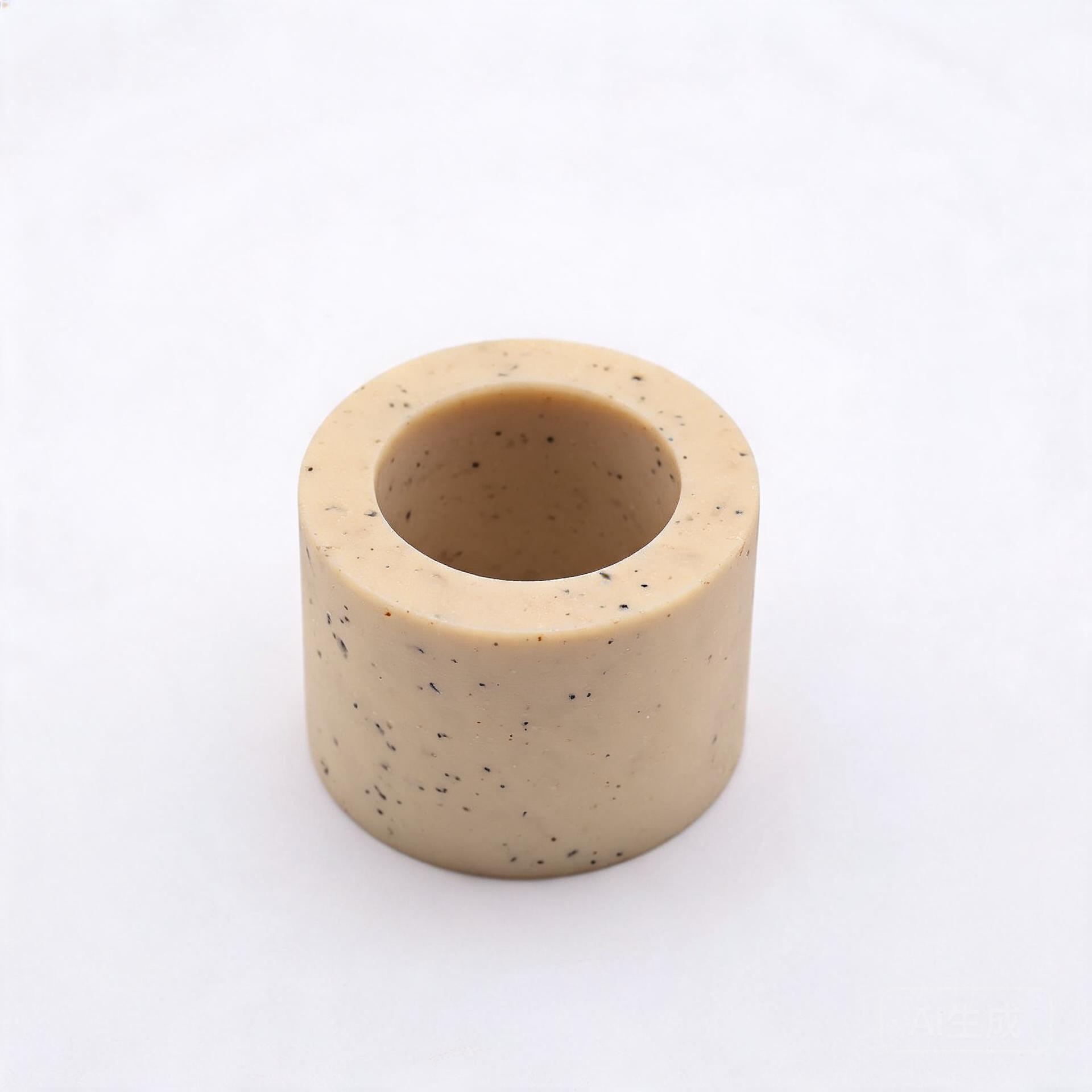
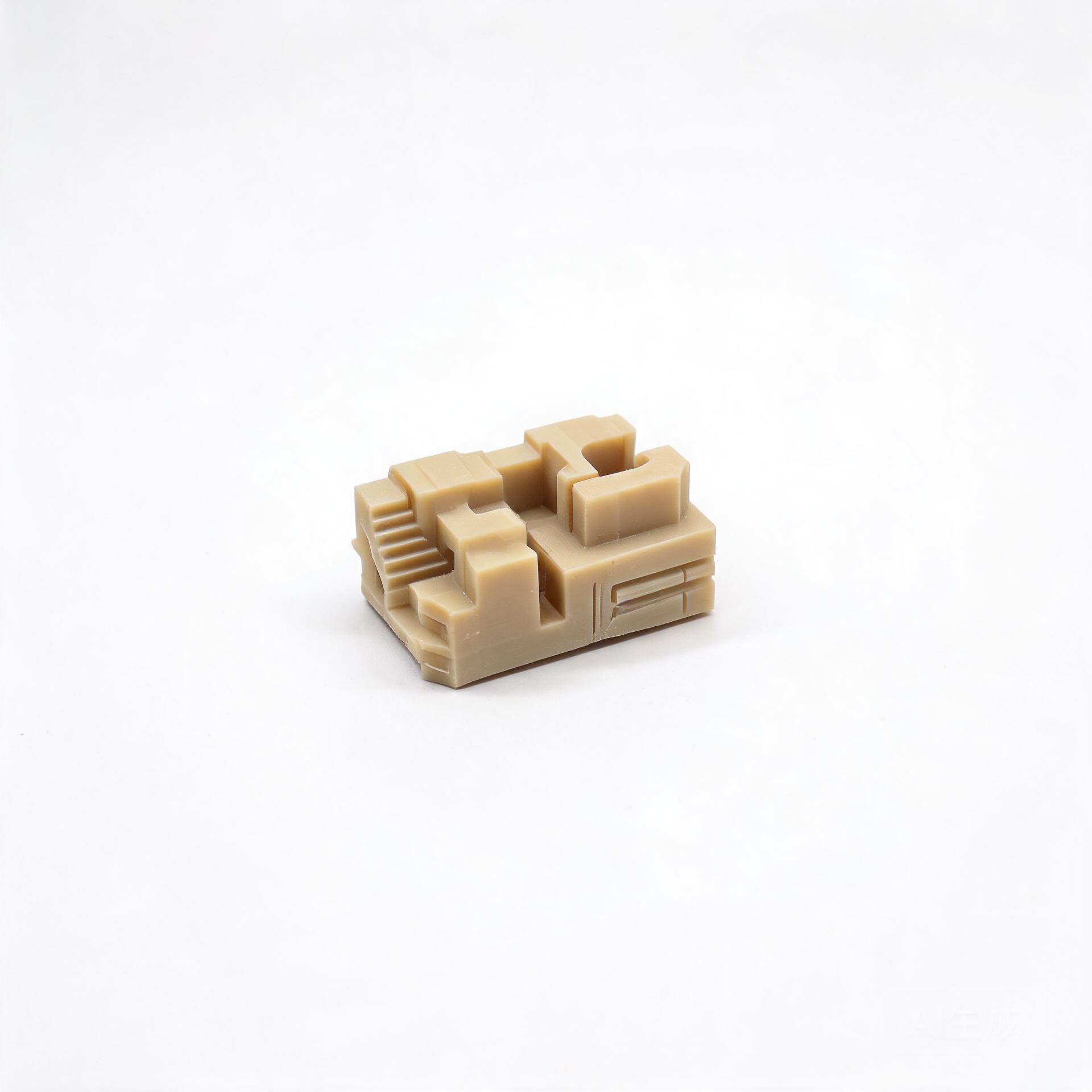
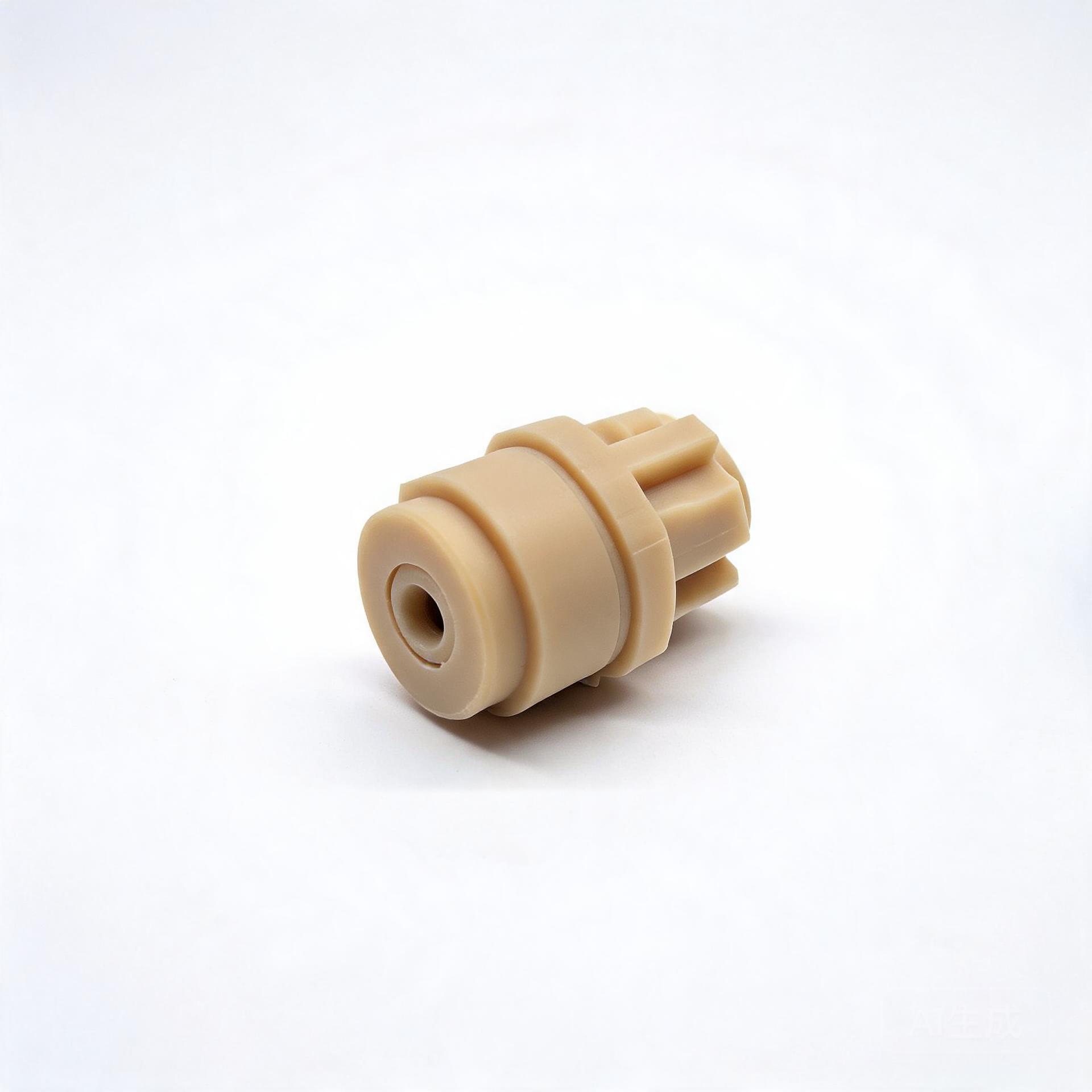
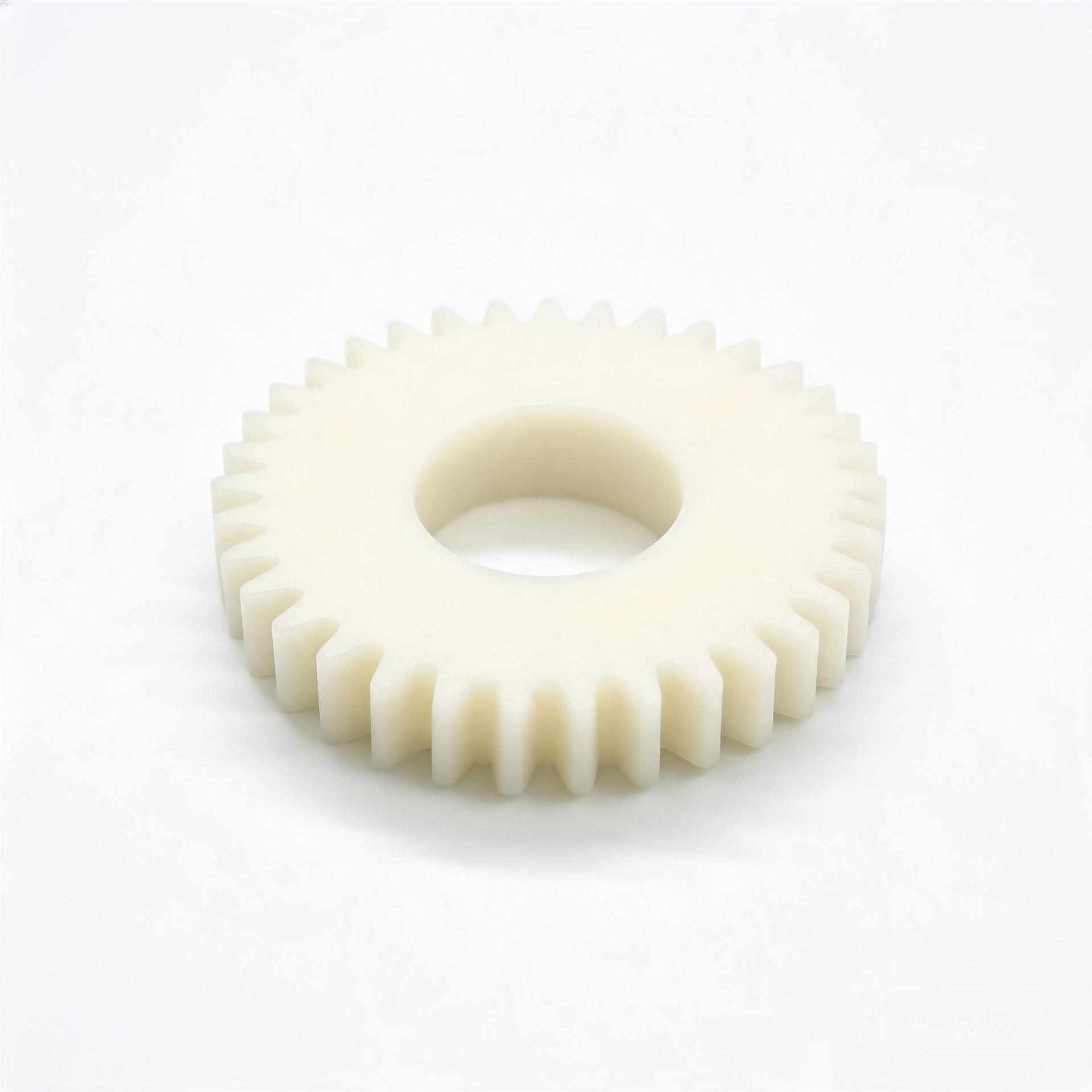
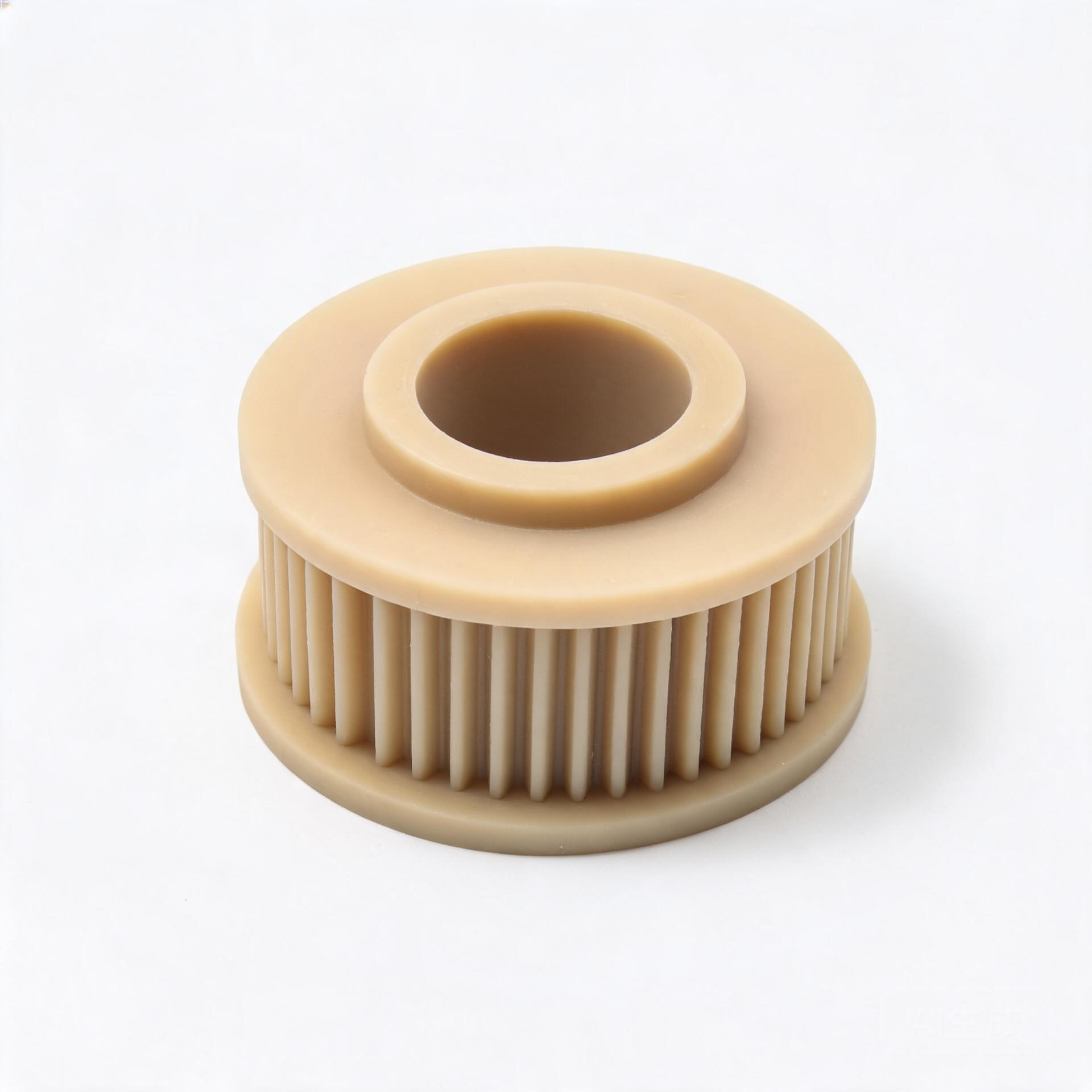
PEEK timing pulleys are precision synchronous drive components that transmit motion and torque to toothed timing belts without slip, maintaining exact angular positioning between the drive and driven shafts. Manufactured from polyether ether ketone (PEEK), these pulleys combine exceptional mechanical strength, thermal stability, and chemical resistance with very low weight and minimal moisture absorption. The accurately machined tooth profile engages the belt with minimal backlash, delivering repeatable indexing and low noise even at high rotational speeds. OrroMFG produces PEEK timing pulleys using advanced CNC turning, milling, and 5-axis machining, providing lightweight, dimensionally stable drive components for the most demanding positioning and power transmission applications.
PEEK timing pulleys are specified where metal pulleys cannot meet the combined demands of high temperature, chemical exposure, and cleanliness. Their low density reduces rotational inertia, allowing faster acceleration and higher belt speeds with less drive power, while their excellent creep resistance preserves tooth geometry under sustained belt tension. PEEK resists a broad range of solvents, acids, and process fluids and generates very few particles, making these pulleys suitable for semiconductor wafer handling, medical devices, and vacuum equipment. OrroMFG manufactures pulleys in trapezoidal (MXL, T, AT), curvilinear (HTD, GT), and custom profiles, with plain, keyed, or flanged bores. Optional carbon-filled grades add stiffness and static dissipation, glass-filled grades raise strength and wear resistance, and PTFE blends lower friction for reduced belt wear.
Key Features
- High Temperature Resistance: Continuous service up to 260°C (500°F), far exceeding the limits of POM, nylon, or polycarbonate pulleys.
- Lightweight, Low Inertia: Low density reduces rotational inertia for faster acceleration, higher belt speeds, and lower energy consumption.
- Dimensional Stability: Low moisture absorption and excellent creep resistance maintain accurate tooth engagement and low backlash over time.
- Chemical and Solvent Resistance: Withstands most acids, bases, fuels, and process chemicals without swelling or degradation.
- Low Particle Generation: Clean, low-shedding surfaces suit cleanroom, vacuum, and medical environments.
- Precision Tooth Profiles: Machined profiles ensure uniform belt contact, quiet running, and long belt life.
Material Specifications
| Property | Virgin PEEK | 30% Carbon-Filled PEEK | 30% Glass-Filled PEEK | PEEK + PTFE Blend |
|---|---|---|---|---|
| Density (g/cm³) | 1.30 - 1.32 | 1.40 - 1.45 | 1.50 - 1.55 | 1.35 - 1.45 |
| Tensile Strength (MPa) | 90 - 100 | 130 - 150 | 120 - 140 | 70 - 85 |
| Tensile Modulus (GPa) | 3.6 - 4.0 | 7.5 - 9.0 | 7.0 - 8.5 | 3.0 - 3.5 |
| Flexural Strength (MPa) | 150 - 170 | 220 - 250 | 200 - 230 | 110 - 130 |
| HDT at 1.8 MPa (°C) | 150 - 160 | 240 - 260 | 230 - 250 | 140 - 155 |
| Continuous Service Temp (°C) | 260 | 260 | 260 | 240 |
| Hardness (Rockwell M) | 80 - 90 | 95 - 105 | 90 - 100 | 70 - 80 |
| Coefficient of Friction | 0.25 - 0.35 | 0.18 - 0.25 | 0.25 - 0.35 | 0.10 - 0.18 |
| Water Absorption (24h, %) | 0.1 - 0.2 | 0.05 - 0.15 | 0.1 - 0.2 | 0.08 - 0.15 |
| Fatigue Strength (MPa, 10⁷ cycles) | 40 - 50 | 60 - 70 | 55 - 65 | 30 - 40 |
Applications
Semiconductor Manufacturing
PEEK timing pulleys drive belt systems in wafer handling robots, spin coaters, chemical mechanical planarization (CMP) equipment, and vacuum transport modules. Their low particle generation, chemical resistance, and dimensional stability under thermal cycling maintain precise wafer positioning. Carbon-filled grades provide electrostatic discharge (ESD) protection for sensitive processes.
Medical Devices
In medical equipment, PEEK timing pulleys are used in diagnostic scanners, laboratory automation, syringe and vial handling systems, and surgical robotics. Medical-grade PEEK is biocompatible and withstands autoclave and gamma sterilization, while the lightweight construction reduces moving mass in high-speed analytical instruments.
Automotive
PEEK timing pulleys serve in test rigs, sensor and camera positioning drives, and under-hood actuation systems exposed to heat and automotive fluids. Their ability to resist oils, fuels, and elevated temperatures ensures reliable synchronization in engine test benches and electric vehicle component testing.
Aerospace
Aerospace applications include actuator drive trains, cabin and galley mechanisms, and instrument positioning systems. The significant weight saving compared to aluminum or steel pulleys supports fuel efficiency, while PEEK’s temperature range and non-magnetic, corrosion-resistant behavior suit demanding airborne environments.
Industrial Automation
PEEK timing pulleys are employed in high-speed pick-and-place heads, linear actuator drives, and precision indexing conveyors where low inertia and exact positioning are critical. Their low friction and quiet running reduce belt wear and vibration, improving accuracy and service life in fast automated cycles.
Operating Conditions
- Temperature Range: -40°C to +260°C (-40°F to +500°F) continuous service; special grades tolerate cryogenic exposure down to -196°C
- Speed: Suitable for high-speed synchronous drives with low rotational inertia; belt speeds are limited primarily by the belt rather than the pulley
- Load Capacity: Compatible with light-to-medium belt tensions; carbon-filled and glass-filled grades carry higher loads and resist tooth shear
- Lubrication Compatibility: Normally operated dry; compatible with greases and oils where bearing-supported shafts require lubrication
- Chemical Compatibility: Resistant to most solvents, acids, bases, fuels, and hydraulic fluids; not recommended for concentrated hydrofluoric acid or hot concentrated nitric acid
- Vacuum Compatibility: Low outgassing makes PEEK suitable for high-vacuum and ultra-high-vacuum process equipment
- Radiation Resistance: Good resistance to gamma and X-ray radiation for medical and nuclear instrumentation
- Cleanliness: Low particle generation supports cleanroom, medical, and semiconductor environments
Material Comparison
| Material | Strength | Temp Range | Chemical Resistance | Cost | Best For |
|---|---|---|---|---|---|
| PEEK | Excellent | -40 to +260°C | Excellent | Very High | High-temp, chemical, cleanroom, weight-sensitive drives |
| Aluminum | High | -80 to +200°C | Fair | Medium | General lightweight drives, moderate temperature |
| Steel | Very High | -40 to +300°C | Fair | Medium-High | High-torque, high-speed power transmission |
| POM (Acetal) | Good | -40 to +90°C | Good | Low-Medium | Cost-sensitive precision drives, moderate temperature |
| Nylon PA66 | Good | -40 to +120°C | Fair | Low | General industrial drives, low load |
Choose PEEK timing pulleys when:
- Operating temperatures exceed the limits of POM, nylon, or polycarbonate pulleys
- Chemical or solvent resistance is required in the drive environment
- Cleanroom, medical, or vacuum operation demands low particle generation and low outgassing
- Weight reduction and low rotational inertia improve dynamic performance
- Dimensional stability and low backlash must be maintained over long service life
- Static dissipation is needed for semiconductor or electronic handling equipment
Customization Options
- Material Grades: Virgin PEEK, 10-40% carbon-filled, 10-40% glass-filled, PTFE-blended, medical-grade PEEK, ESD/conductive PEEK, and low-outgassing aerospace grades
- Tooth Profiles: Trapezoidal (MXL, XL, L, T2.5-T20, AT), curvilinear (HTD, GT, GT2), and custom synchronous profiles
- Size Range: Pitch diameters from 10 mm to 400 mm; custom diameters and pitches available
- Bore Options: Plain, keyed, splined, set-screw, and clamp-type bores finished to customer specification
- Flange Configurations: Single-flange, double-flange, and flangeless designs with integral or separate flanges
- Hub Designs: Solid, lightened, webbed, and extended-hub configurations to reduce inertia
- Tolerance Grades: Machined to IT5-IT8 tolerances with controlled runout, concentricity, and tooth profile accuracy
- Surface Finishing: Fine-machined, polished, and deburred tooth flanks for smooth belt engagement
- Balancing: Dynamic balancing for high-speed drive applications
- Secondary Operations: Keyway broaching, set-screw tapping, flanging, and assembly with shafts and belts
Quality Assurance
OrroMFG is dedicated to delivering PEEK timing pulleys of the highest precision and quality. Our ISO 9001:2015 certified manufacturing facilities combine advanced CNC machining with disciplined process control to produce pulleys that meet demanding dimensional and performance specifications. Cleanroom production areas and strict contamination-control protocols support semiconductor and medical-grade requirements.
Quality control starts with incoming material verification through FTIR spectroscopy, DSC thermal analysis, and mechanical property testing to confirm PEEK grade authenticity and conformance. In-process inspection includes dimensional checks with coordinate measuring machines (CMM), tooth profile and pitch verification, bore and keyway measurement, and concentricity and runout evaluation. For high-speed applications, dynamic balancing and functional belt-engagement testing validate performance under simulated conditions. All finished pulleys undergo final inspection of critical features, with sampling for wear and load testing where specified. Products are supplied with material certificates (COA), dimensional inspection reports, and full batch traceability, and first article inspection (FAI) reports are available for new or critical parts.