Overview
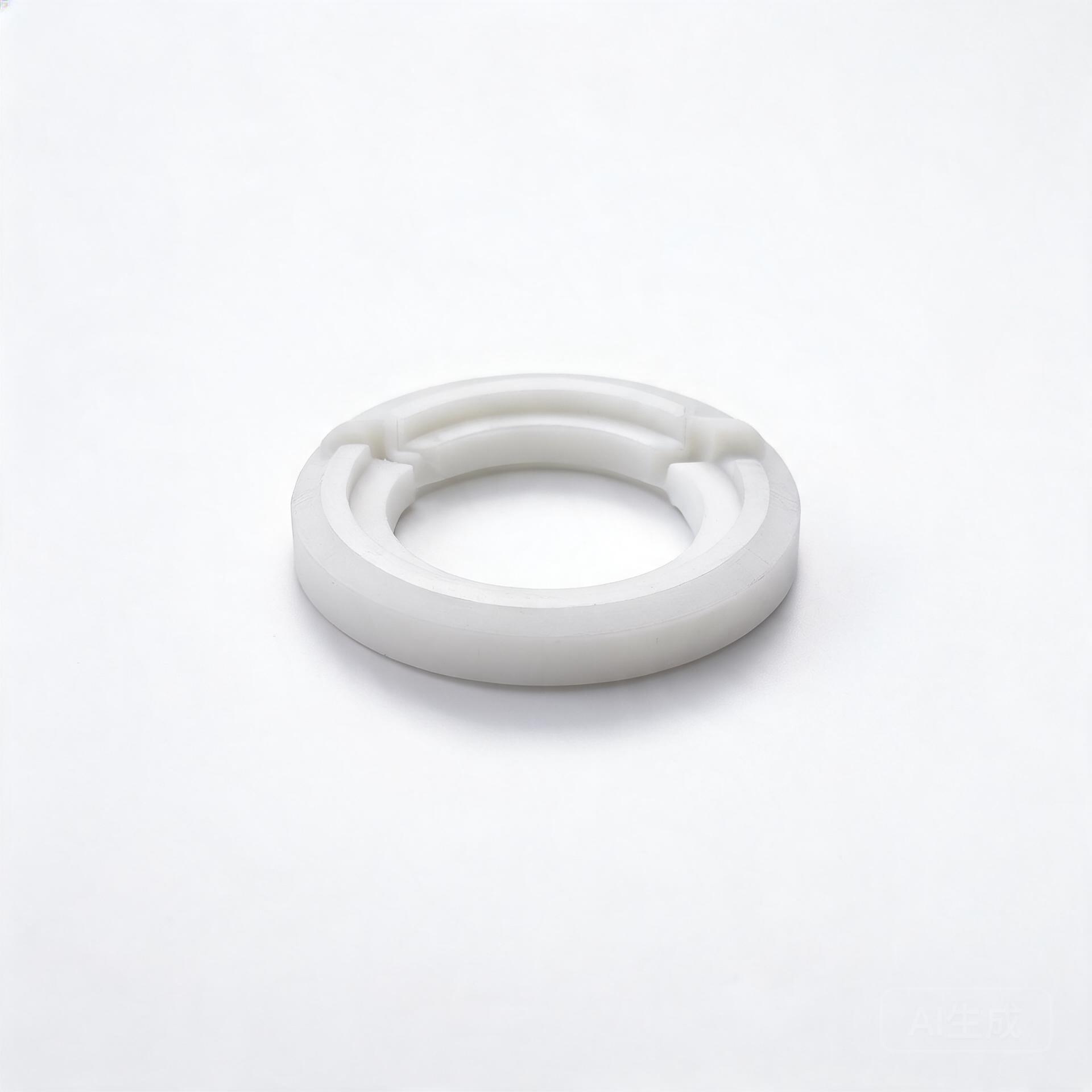
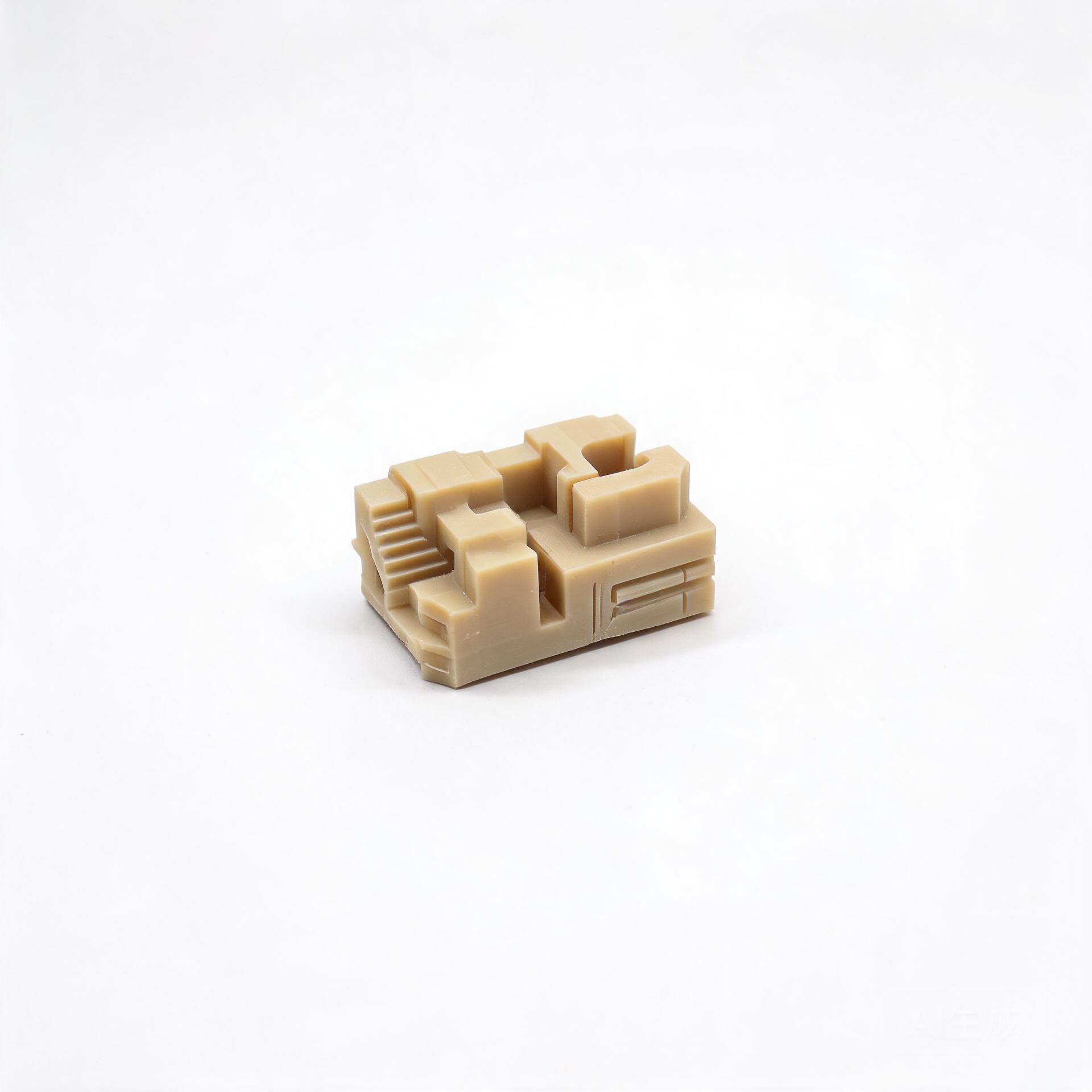
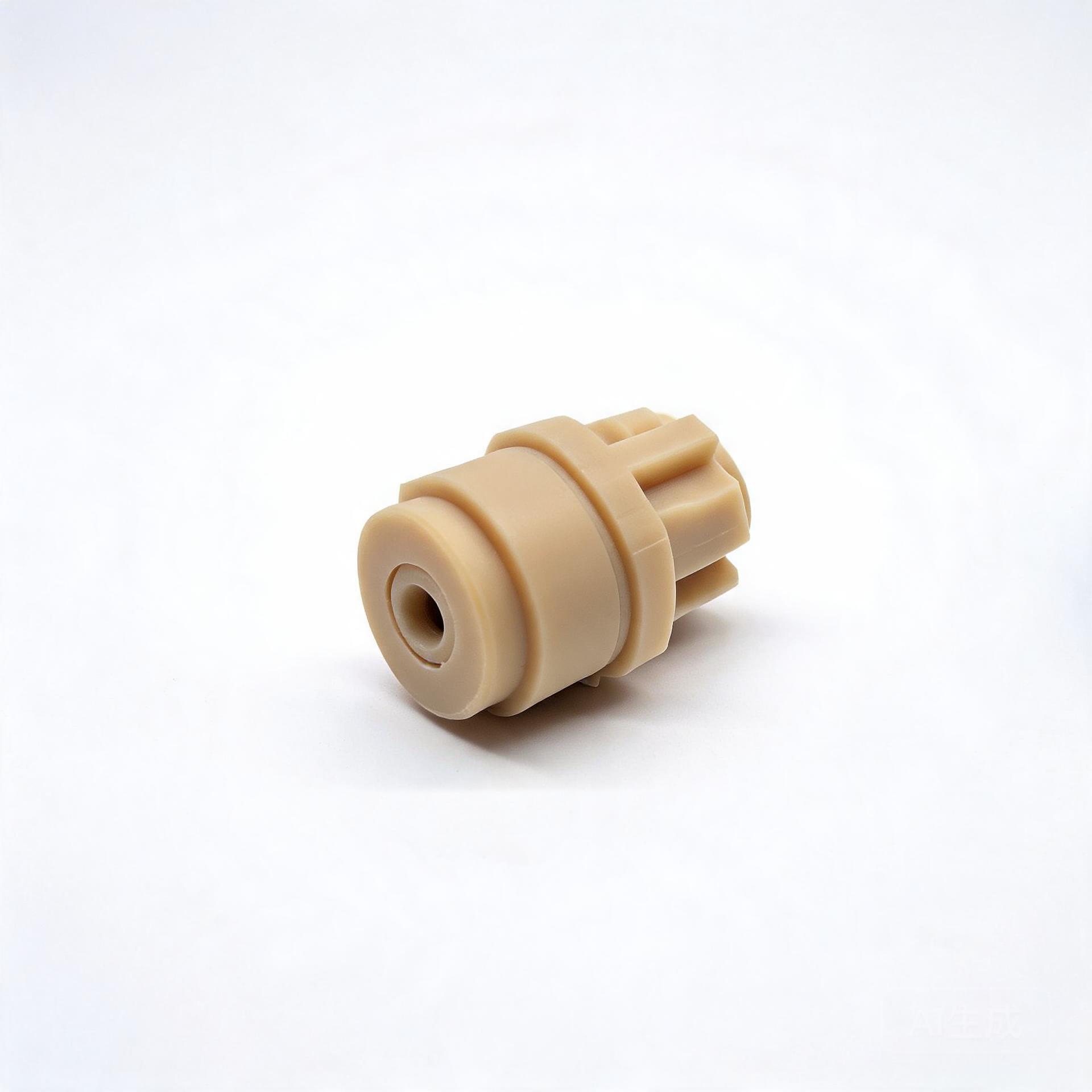
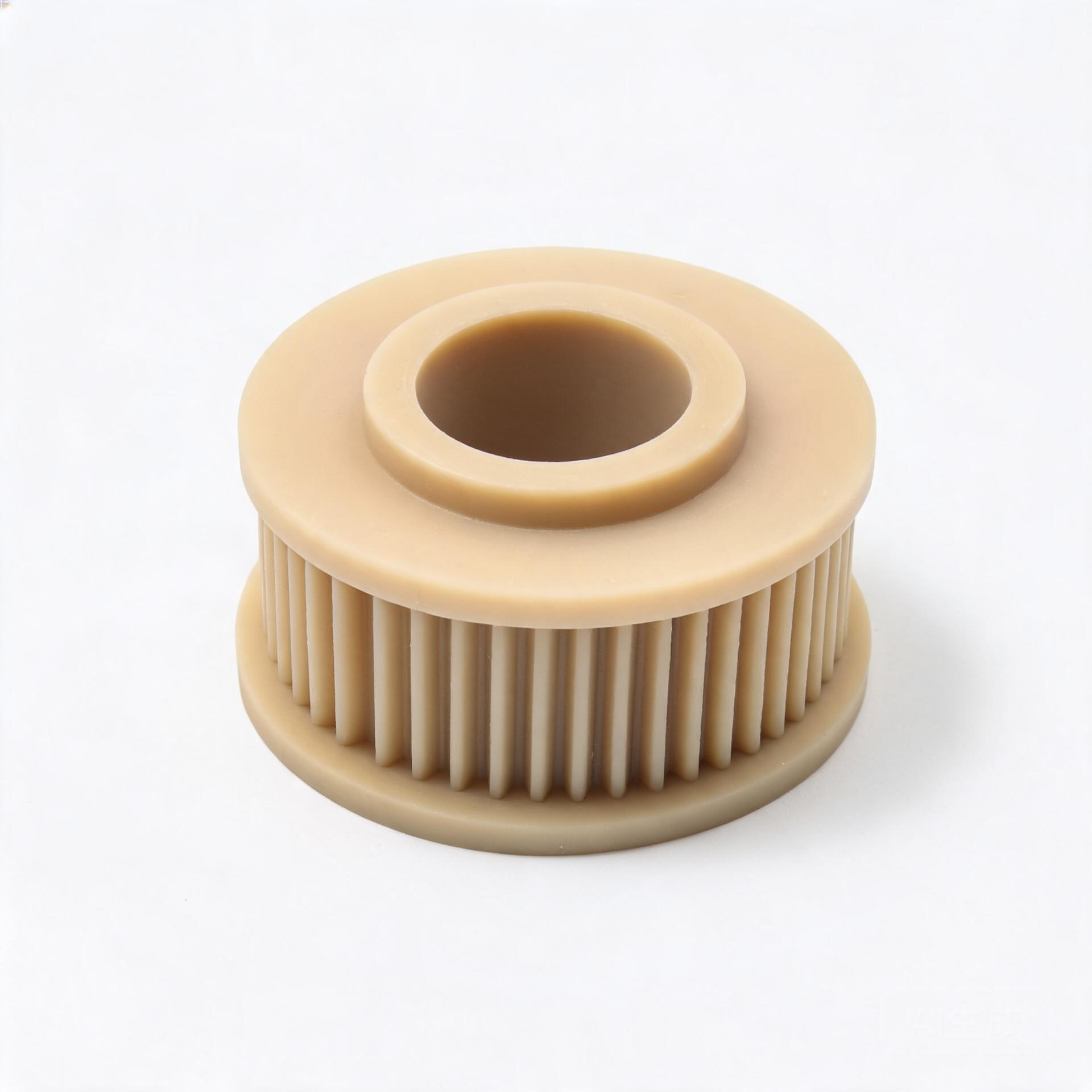
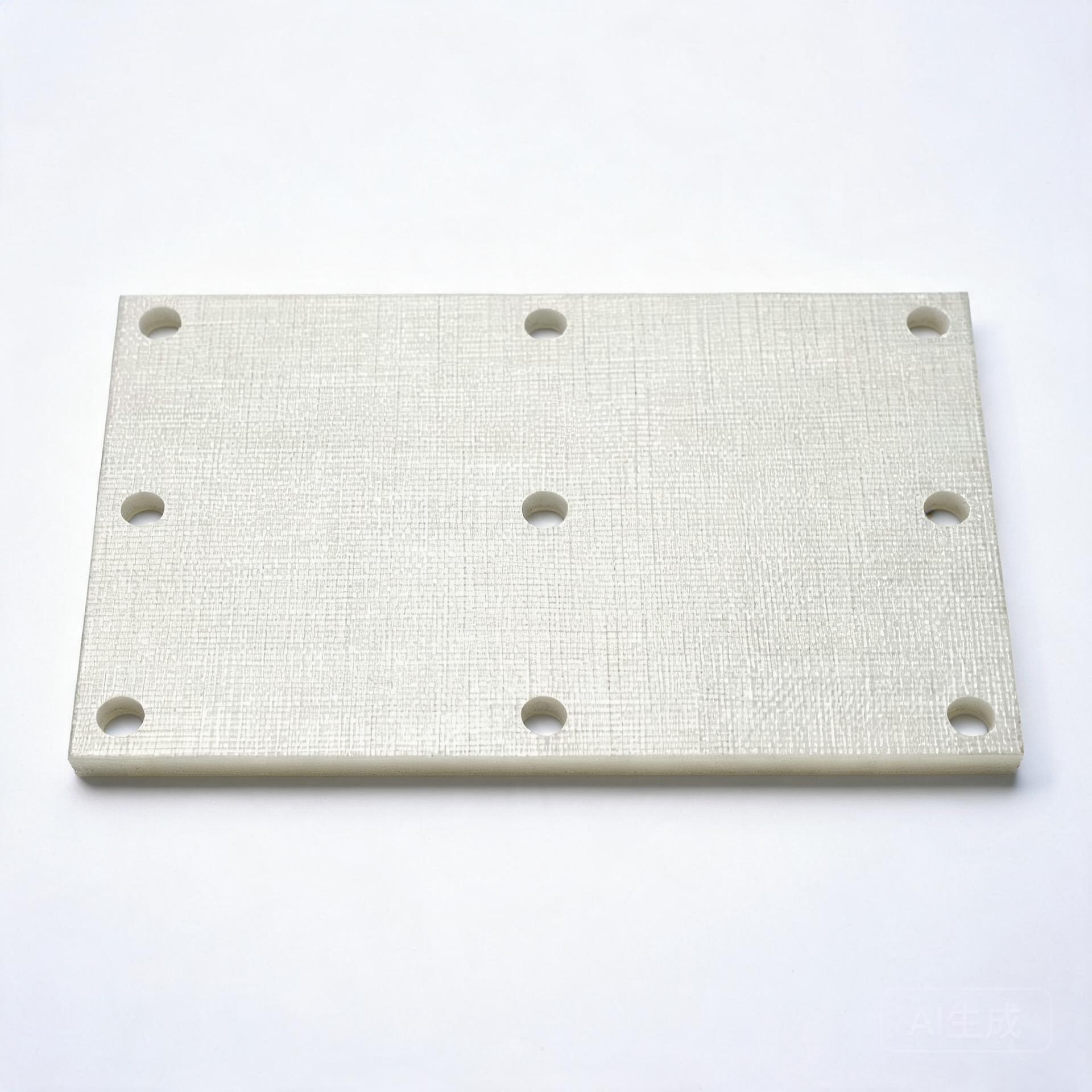
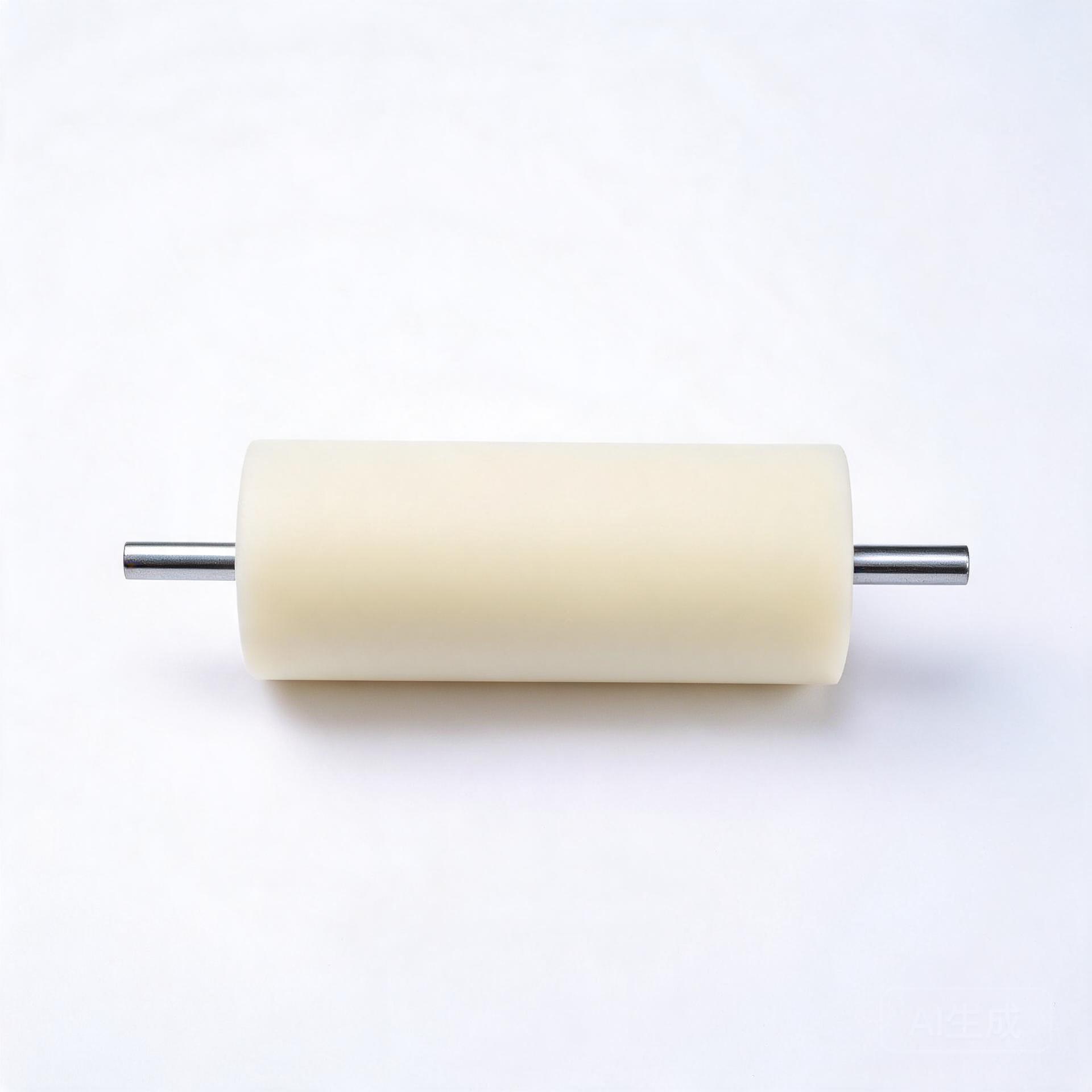
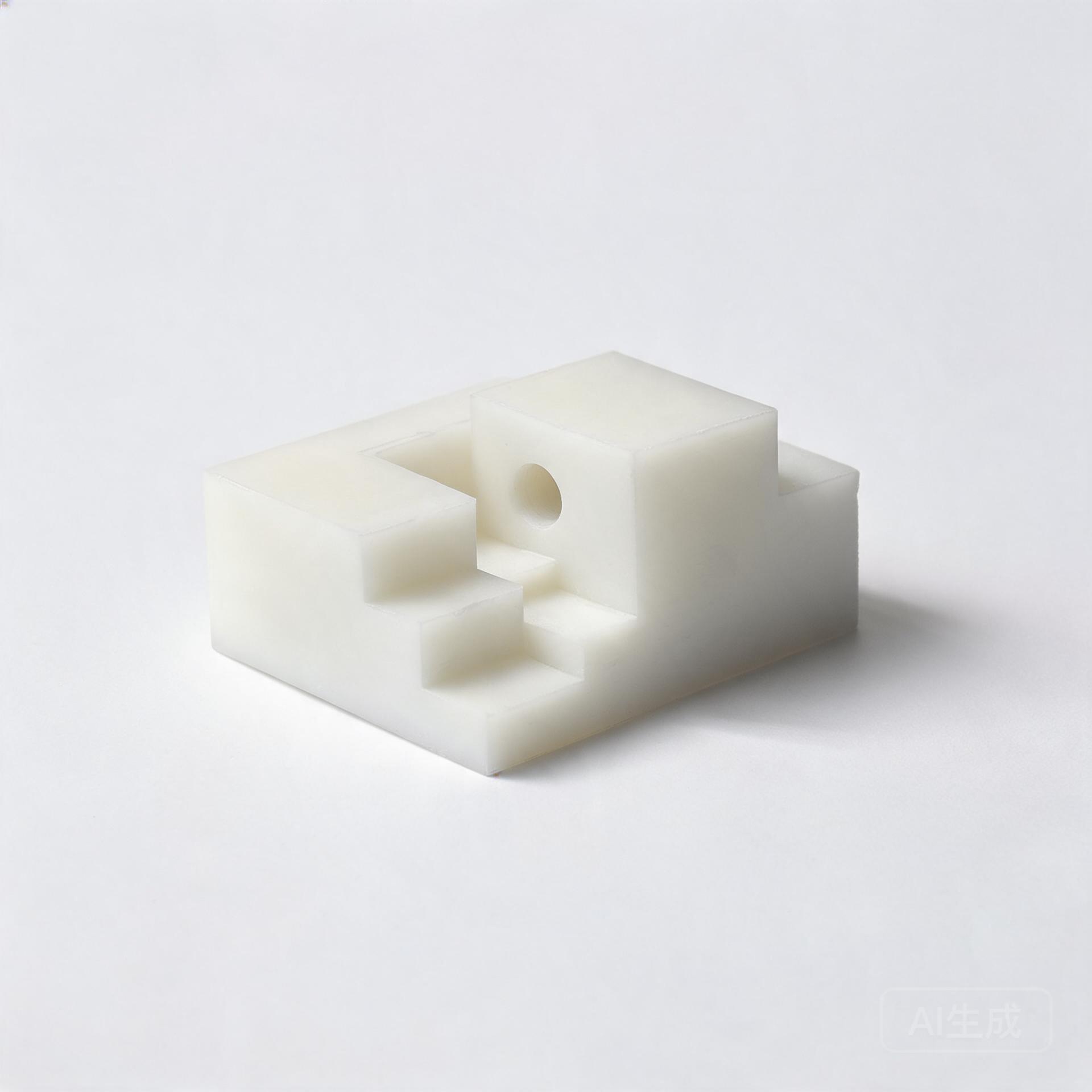
PTFE custom machined parts are precision components produced from virgin or filled polytetrafluoroethylene to customer drawings, used wherever chemical resistance, low friction, or electrical insulation is critical. PTFE is renowned for near-universal chemical inertness, an extremely low coefficient of friction, a wide service temperature range from cryogenic conditions up to 260°C, and excellent dielectric properties. These characteristics make machined PTFE the material of choice for seals, bushings, insulators, liners, and fluid-handling components in chemical, semiconductor, food, medical, and electrical equipment. OrroMFG machines PTFE custom parts on CNC turning and milling equipment, holding tight tolerances on parts that are often thin-walled or geometrically complex.
Because PTFE is a soft, low-strength material in its virgin form, OrroMFG offers a range of filled compounds that improve specific properties without sacrificing chemical resistance. Glass-filled PTFE increases stiffness and reduces deformation under load, carbon-filled PTFE improves wear resistance and adds electrical conductivity, and bronze-filled PTFE enhances thermal conductivity and load-bearing capability. Virgin PTFE remains the preferred choice for maximum chemical purity and the lowest friction. Custom parts can be supplied with machined threads, grooves, sealing faces, and precise bore and outside diameters, and are frequently produced as prototypes or low-to-medium volume production runs where machining is more economical than molding.
Key Features
- Near-Universal Chemical Resistance: PTFE resists virtually all acids, bases, solvents, and aggressive process media, with only a few exceptions such as molten alkali metals and elemental fluorine.
- Extremely Low Friction: One of the lowest coefficients of friction of any solid material provides smooth, non-stick sliding contact and easy release.
- Wide Temperature Range: Performs from -200°C to +260°C, maintaining flexibility and chemical stability across cryogenic and elevated-temperature service.
- Excellent Electrical Insulation: Very high dielectric strength and low dielectric constant make PTFE ideal for insulators and high-frequency electrical components.
- Non-Stick and Non-Wetting: PTFE surfaces resist adhesion, simplifying cleaning and preventing buildup in fluid and product-contact applications.
- High Purity and Inertness: Virgin PTFE is chemically inert, non-toxic, and available in grades suitable for food-contact and medical-adjacent use.
Material Specifications
| Property | Virgin PTFE | 25% Glass-Filled PTFE | 25% Carbon-Filled PTFE | 40% Bronze-Filled PTFE |
|---|---|---|---|---|
| Density (g/cm³) | 2.14 - 2.20 | 2.20 - 2.30 | 2.00 - 2.15 | 3.50 - 3.90 |
| Tensile Strength (MPa) | 20 - 35 | 15 - 25 | 15 - 20 | 12 - 18 |
| Elongation at Break (%) | 300 - 400 | 200 - 300 | 100 - 200 | 100 - 200 |
| Tensile Modulus (GPa) | 0.4 - 0.7 | 1.0 - 1.5 | 0.8 - 1.2 | 1.5 - 2.5 |
| Compressive Strength (MPa) | 10 - 15 | 12 - 18 | 12 - 18 | 15 - 25 |
| Continuous Service Temp (°C) | 260 | 260 | 260 | 260 |
| HDT at 0.45 MPa (°C) | 120 - 130 | 130 - 150 | 130 - 150 | 130 - 150 |
| Hardness (Shore D) | 55 - 65 | 60 - 70 | 60 - 72 | 65 - 80 |
| Coefficient of Friction | 0.04 - 0.10 | 0.10 - 0.20 | 0.10 - 0.20 | 0.12 - 0.20 |
| Water Absorption (24h, %) | < 0.01 | < 0.05 | < 0.05 | < 0.05 |
| Dielectric Strength (kV/mm) | 20 - 25 | 15 - 22 | 10 - 18 | 5 - 12 |
| Deformation Under Load | High | Improved | Improved | Much Improved |
Applications
Chemical Processing
PTFE custom parts serve as seals, gaskets, liners, valve components, and pump parts in chemical processing equipment handling aggressive acids, bases, and solvents. Their near-universal chemical resistance prevents swelling, degradation, and contamination, extending equipment life in corrosive service. OrroMFG machines sealing faces and mating dimensions to tight tolerances for reliable sealing in pumps, valves, and reactors.
Semiconductor Manufacturing
In semiconductor processing, PTFE parts are used as fluid-handling components, insulators, and wet-bench fixtures that contact high-purity chemicals. Their inertness and low extractables prevent contamination of process fluids and wafers, while their chemical resistance withstands cleaning and etching media. High-purity grades and clean machining practices support cleanroom requirements.
Food and Beverage Processing
PTFE custom parts are used in food and beverage equipment as seals, guides, and non-stick surfaces on filling, packaging, and processing machinery. Their chemical inertness, non-toxicity, and non-stick behavior help maintain hygiene and prevent product buildup. The smooth, inert surface simplifies cleaning and resists the chemicals used in washdown procedures.
Medical Devices
In medical and laboratory devices, PTFE parts serve as insulators, seals, catheters liners, and low-friction components. Their chemical inertness, biocompatibility, and non-stick properties suit fluid handling and instrument applications, and their low friction reduces force in sliding and guiding components. Parts can be machined to precise dimensions and supplied clean for assembly.
Electrical and Electronics
PTFE custom parts are used as insulators, standoffs, spacers, and dielectric components in electrical and electronic equipment. Their high dielectric strength, low dielectric constant, and wide temperature range support reliable insulation in high-frequency and high-temperature circuits. Carbon-filled grades offer controlled conductivity for anti-static applications.
Operating Conditions
- Temperature Range: -200°C to +260°C (-328°F to +500°F) continuous; short-term excursions above 260°C are possible with reduced load
- Load Capacity: Suitable for low-to-medium loads; filled grades are recommended where higher compressive load and reduced deformation are required
- Speed Rating: Excellent for low-friction sliding and sealing contact; limiting PV values should be considered for high-speed rubbing applications
- Chemical Compatibility: Resistant to nearly all acids, bases, and solvents; not recommended for molten alkali metals or elemental fluorine
- Friction and Lubrication: Self-lubricating with an extremely low coefficient of friction; normally requires no external lubrication
- Electrical Duty: High dielectric strength and low dielectric loss suit insulation and high-frequency components
- Moisture and Humidity: Negligible water absorption keeps dimensions and electrical properties stable in wet or humid conditions
- Cleanliness: Virgin and high-purity grades minimize extractables and particle generation for semiconductor, food, and medical use
Material Comparison
| Material | Chemical Resistance | Temp Range | Friction | Cost | Best For |
|---|---|---|---|---|---|
| PTFE | Excellent | -200 to +260°C | Very Low | Medium-High | Chemical seals, insulators, low-friction parts |
| PFA / FEP | Excellent | -200 to +260°C | Very Low | Higher | Melt-processable linings and tubing |
| PVDF | Very Good | -40 to +150°C | Low | Medium | Structural chemical-resistant parts with higher strength |
| PEEK | Very Good | -40 to +260°C | Low | Very High | High-strength, high-temp chemical and medical parts |
| UHMWPE | Good | -200 to +80°C | Low | Medium | Wear-resistant, impact-tough sliding components |
Choose PTFE custom machined parts when:
- Resistance to aggressive acids, bases, or solvents is required
- Extremely low friction and non-stick behavior are essential
- Electrical insulation with high dielectric strength is needed
- Service temperatures span cryogenic to elevated conditions up to 260°C
- High chemical purity and low extractables are important
- Prototypes or low-to-medium volumes make machining more economical than molding
Customization Options
- Material Grades: Virgin PTFE, glass-filled, carbon-filled, graphite-filled, bronze-filled, and anti-static or conductive PTFE compounds
- Size Range: Outside diameters from 3 mm to 600 mm; lengths from 3 mm to 1200 mm; custom dimensions available
- Tolerances: Machined to IT7-IT9 for diameters and bores; tighter tolerances available for critical sealing and mating features
- Feature Machining: Threads, grooves, sealing faces, tapers, undercuts, and thin-wall geometries
- Surface Finishes: As-machined, fine-finished, and polished surfaces for sealing, low friction, and clean release
- Part Types: Seals, gaskets, bushings, insulators, liners, valve components, and fully custom shapes
- Color Options: Natural white, black (carbon-filled), bronze-toned (bronze-filled), and custom colors on request
- Purity Grades: Standard, food-contact, and high-purity grades for semiconductor and medical applications
- Secondary Operations: Cleaning, deburring, annealing, and clean packaging for sensitive applications
- Design Support: Drawing review and tolerance optimization to ensure fit, sealing performance, and cost-effective manufacturability
Quality Assurance
OrroMFG manufactures PTFE custom machined parts within an ISO 9001:2015 certified quality management system, applying documented controls that ensure consistent material grade and precise geometry. Incoming PTFE stock is verified against supplier certificates and, where required, confirmed by FTIR spectroscopy and DSC thermal analysis to establish that the correct grade and filler content are supplied. Process control plans define machining parameters and inspection frequencies so that critical characteristics such as bore diameter, outside diameter, wall thickness, and sealing-surface finish are monitored throughout production.
In-process inspection uses calibrated micrometers, bore gauges, and surface-finish instruments to verify dimensions as parts are turned and milled, with coordinate measuring machine (CMM) reports available for precision programs. Final inspection includes 100% verification of critical features and sampling of surface finish and visual quality, and additional cleanliness checks are performed on semiconductor, food, and medical-grade parts. Finished parts are supplied with material certificates, inspection reports, and batch traceability documentation, and first article inspection (FAI) reports are provided for new or high-value programs on request. This disciplined quality process ensures that every PTFE custom machined part delivers reliable chemical resistance, low friction, and consistent performance in demanding service.