Overview
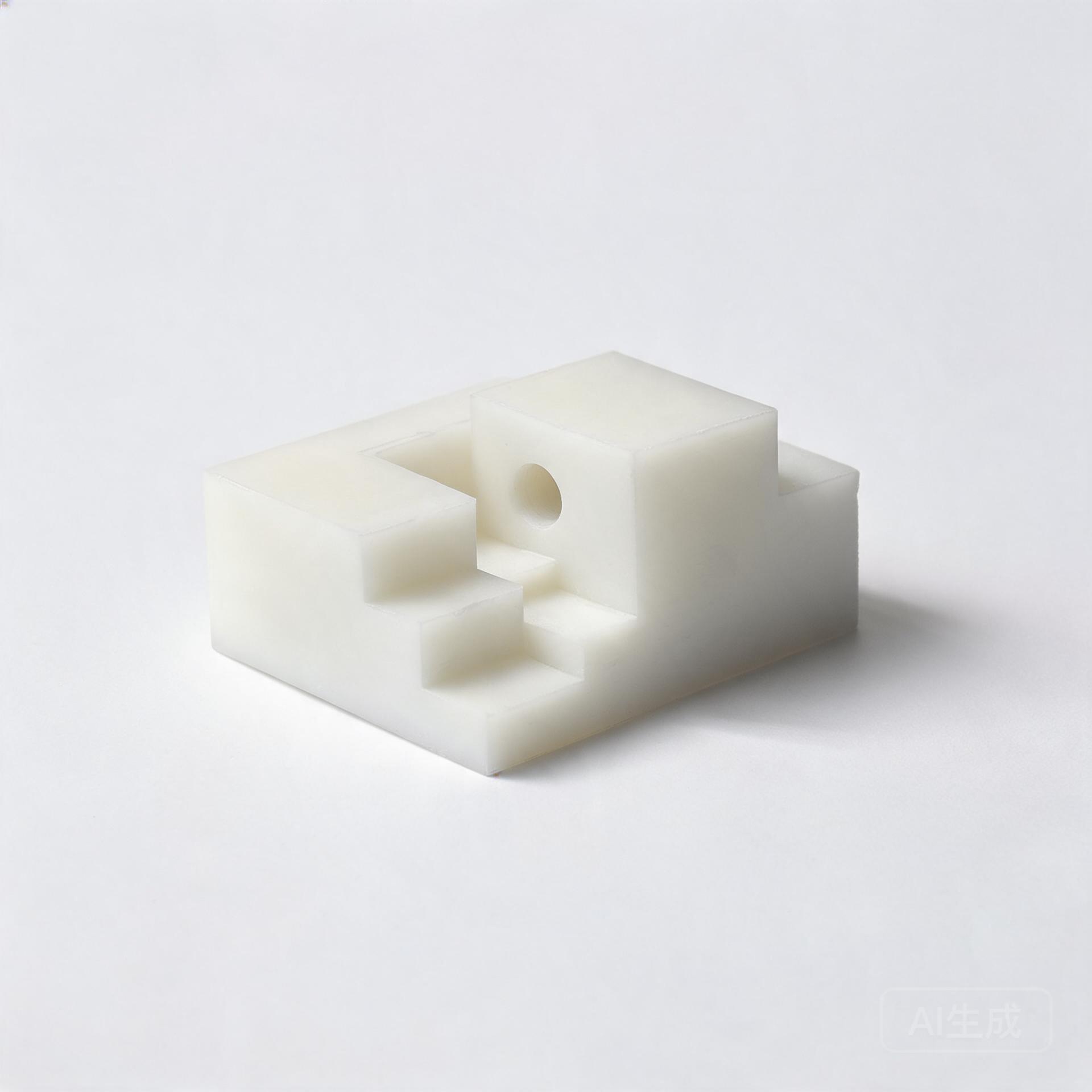
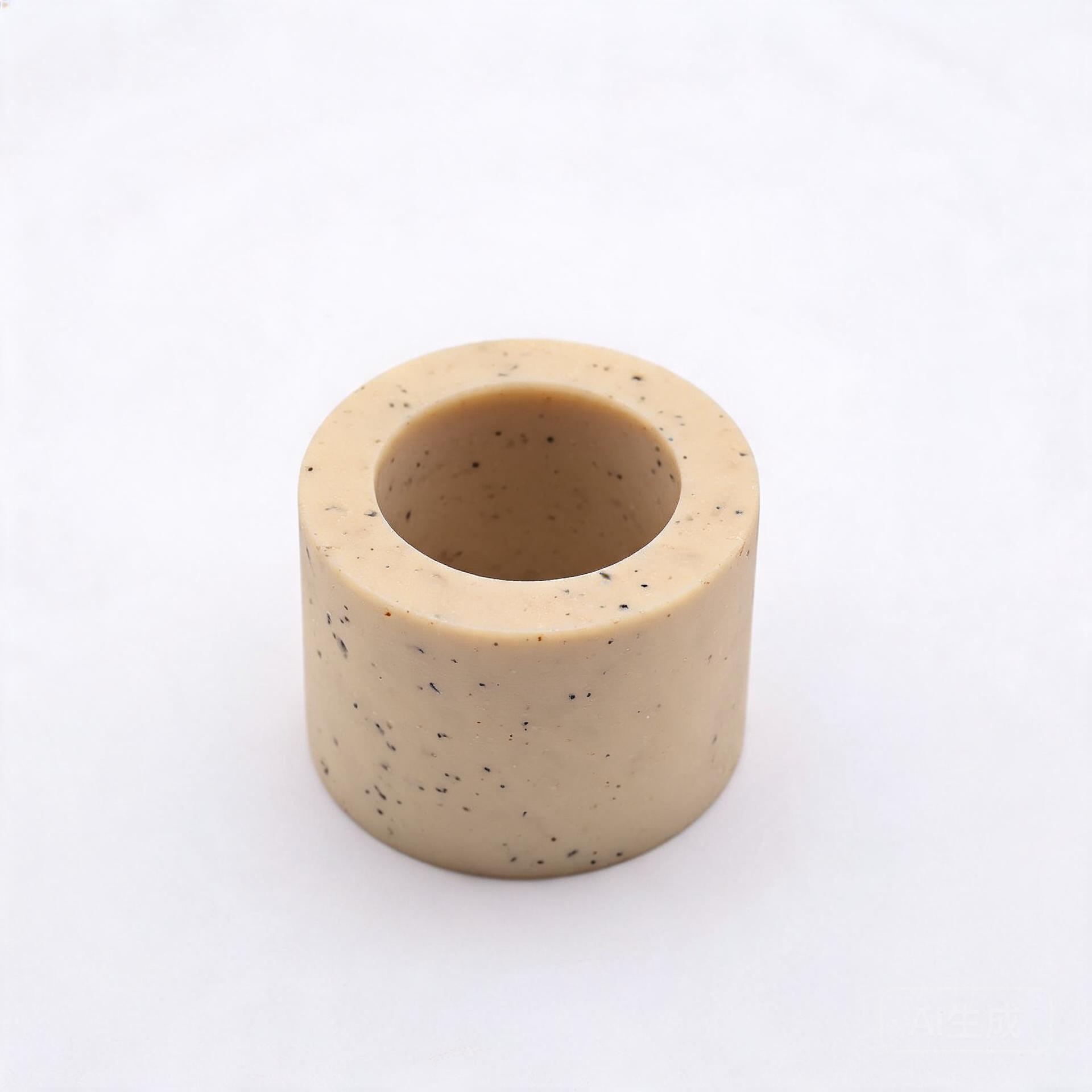
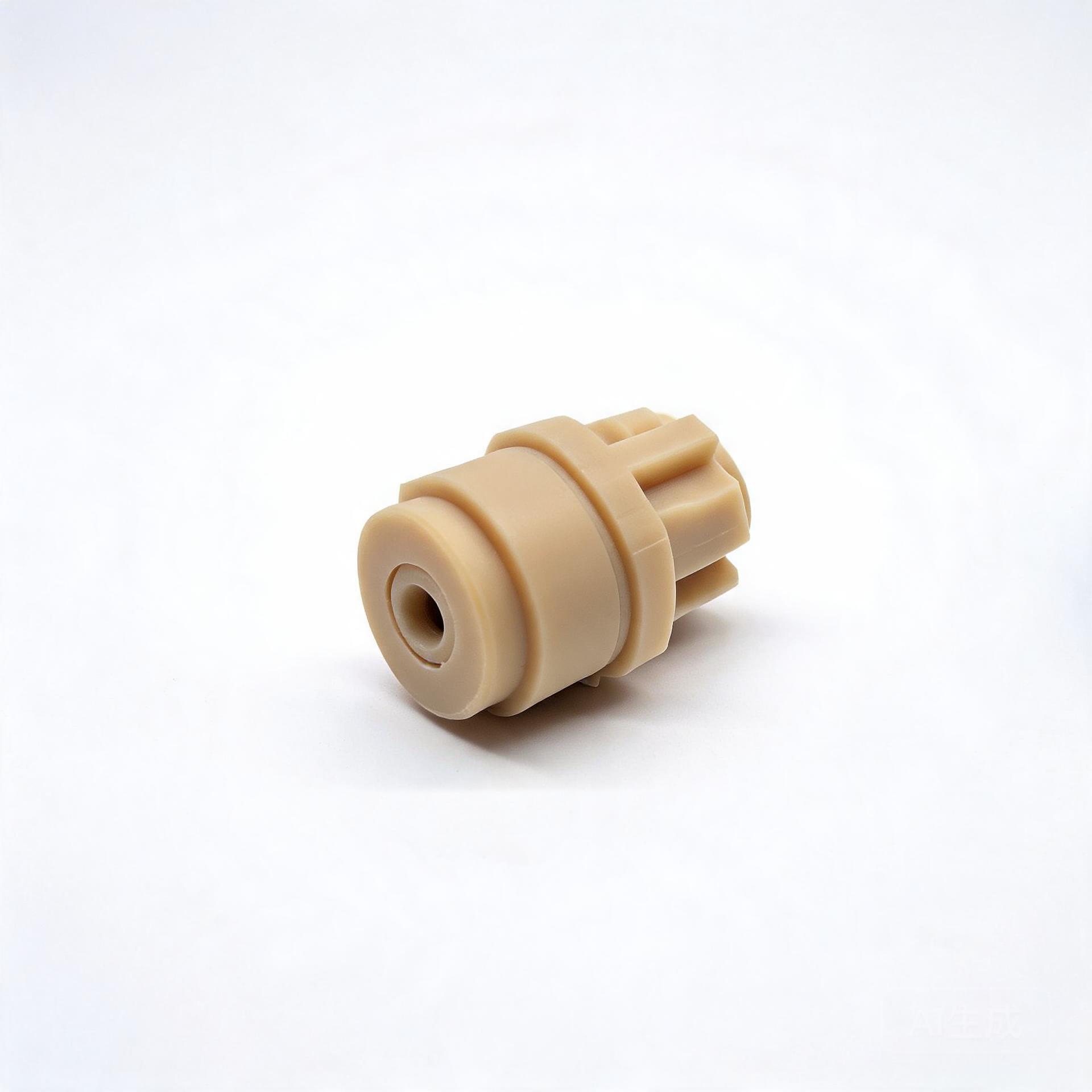
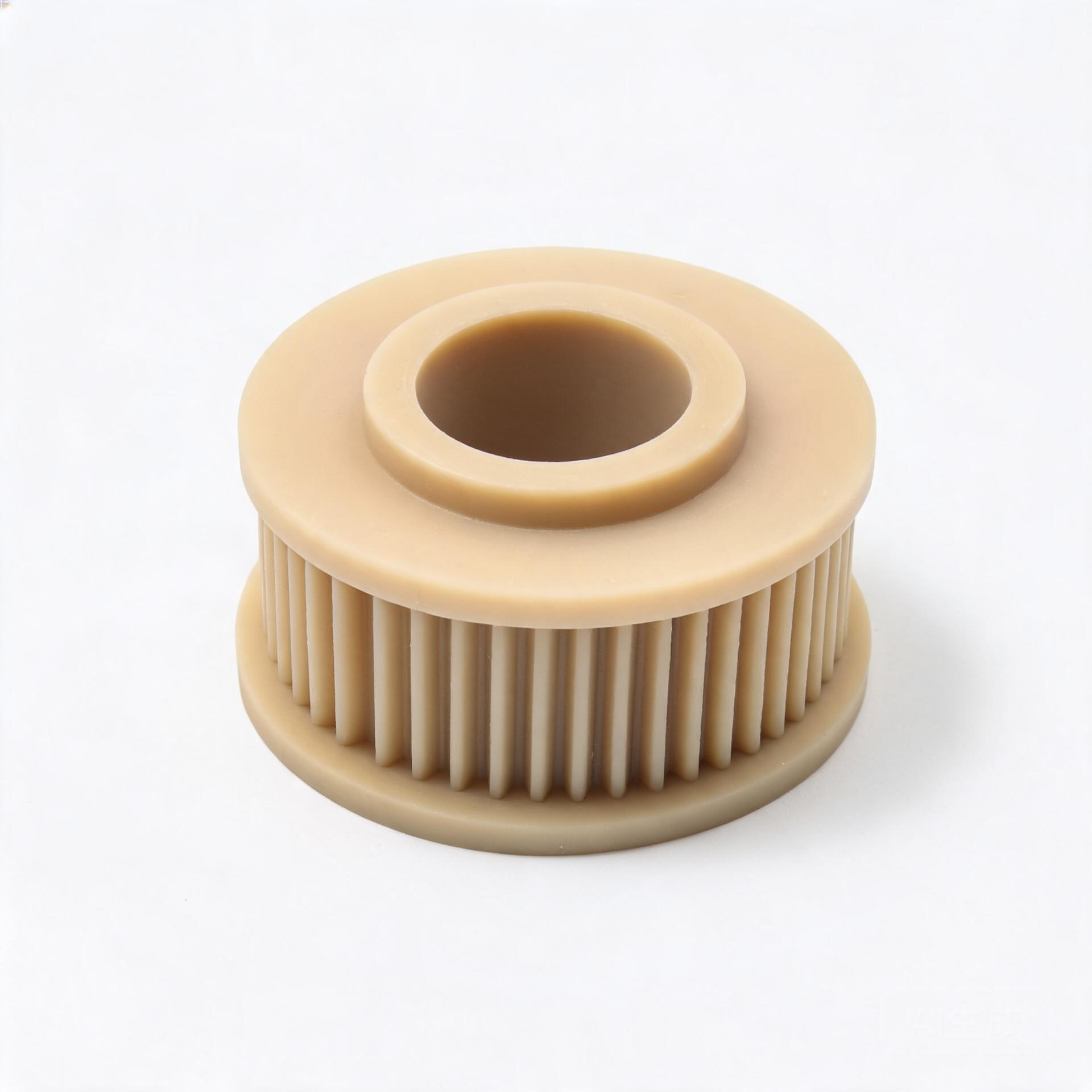
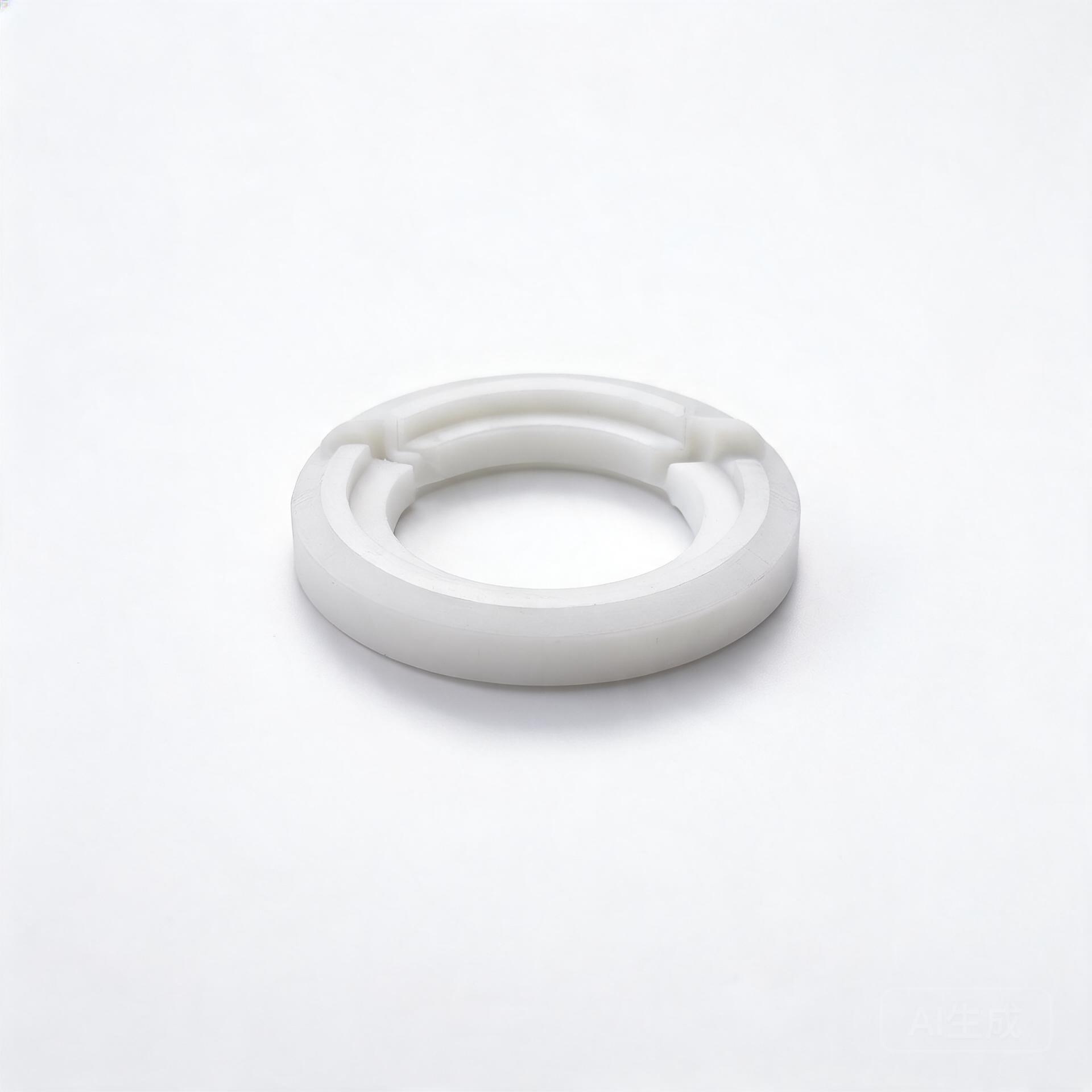
PTFE chemical valve seats are precision-machined sealing components installed inside ball valves, globe valves, butterfly valves, plug valves and diaphragm valves, where they form the primary contact seal between the moving valve closure and the metal valve body. Manufactured from virgin and filled polytetrafluoroethylene (PTFE), these seats combine the lowest coefficient of friction of any commercial solid polymer with near-universal chemical resistance, making them the default sealing material for valves handling acids, bases, solvents, oxidizers and high-purity process fluids. OrroMFG produces PTFE chemical valve seats using CNC turning, CNC milling and compression molding, delivering dimensionally accurate, stress-relieved seats that hold a bubble-tight seal across thousands of operating cycles.
The performance advantage of PTFE stems from its carbon-fluorine molecular structure, which resists attack by almost every industrial chemical while remaining chemically inert and non-contaminating. PTFE seats do not absorb moisture, do not swell significantly in most media, and maintain usable mechanical properties from cryogenic temperatures up to 260°C (500°F). Compared with metal-to-metal seating, PTFE seats require far lower actuation torque, which allows smaller actuators and faster cycle times. Our range includes ball valve seats, seat rings and inserts, thrust washers, stem seals, butterfly valve liners and custom seat geometries. We supply virgin PTFE for maximum chemical inertness and lowest friction, modified PTFE (TFM) for improved creep resistance, and glass-filled or carbon-filled grades where higher compressive strength and reduced cold flow are required at elevated pressures.
Key Features
- Universal Chemical Resistance: Inert to virtually all acids, bases, solvents, oxidizers and process fluids, preventing swelling, degradation and media contamination in aggressive service.
- Lowest Friction of Any Solid Polymer: A dynamic coefficient of friction between 0.04 and 0.10 reduces valve actuation torque and wear, extending cycle life and enabling smaller actuators.
- Wide Service Temperature Range: Usable from -200°C to +260°C (-328°F to +500°F), covering cryogenic, ambient and elevated-temperature chemical processes in a single material family.
- Excellent Sealing Conformability: Soft enough to conform to metal sealing surfaces under modest seating loads, achieving bubble-tight shutoff without high compression forces.
- Non-Stick and Non-Contaminating: Anti-adhesive surface resists build-up of sticky or crystallizing media and will not leach plasticizers, keeping high-purity streams clean.
- Zero Moisture Absorption: Water absorption below 0.01%, so seats do not swell, soften or lose dimensional accuracy in aqueous and humid environments.
Material Specifications
| Property | Virgin PTFE | Modified PTFE (TFM) | 25% Glass-Filled PTFE | 25% Carbon-Filled PTFE |
|---|---|---|---|---|
| Density (g/cm³) | 2.14 - 2.20 | 2.14 - 2.18 | 2.20 - 2.26 | 2.10 - 2.16 |
| Tensile Strength (MPa) | 25 - 35 | 30 - 38 | 15 - 25 | 15 - 22 |
| Tensile Modulus (GPa) | 0.4 - 0.7 | 0.5 - 0.8 | 1.0 - 1.5 | 1.2 - 1.8 |
| Elongation at Break (%) | 300 - 400 | 350 - 450 | 200 - 300 | 150 - 250 |
| Compressive Strength, 1% Strain (MPa) | 10 - 12 | 11 - 14 | 14 - 18 | 15 - 20 |
| HDT at 0.45 MPa (°C) | 120 - 130 | 125 - 135 | 130 - 140 | 130 - 145 |
| Continuous Service Temp (°C) | 260 | 260 | 260 | 260 |
| Hardness (Shore D) | 55 - 65 | 58 - 68 | 65 - 72 | 65 - 75 |
| Coefficient of Friction | 0.04 - 0.10 | 0.05 - 0.10 | 0.10 - 0.18 | 0.10 - 0.20 |
| Water Absorption (24h, %) | < 0.01 | < 0.01 | 0.01 - 0.05 | 0.01 - 0.05 |
| Dielectric Strength (kV/mm) | 20 - 30 | 20 - 30 | 15 - 25 | 12 - 20 |
| Deformation Under Load (cold flow) | High | Medium | Low | Low |
Applications
Chemical Processing
PTFE valve seats are used in ball valves, globe valves, butterfly valves and lined plug valves throughout chemical plants handling sulfuric acid, hydrochloric acid, caustic soda, chlorine, solvents and specialty intermediates. They seal on reactor feed lines, dosing skids, transfer manifolds and tank farm isolation points, where leak-tight shutoff protects operators and prevents product loss. Glass-filled and carbon-filled grades are selected for higher-pressure lines where cold flow must be controlled.
Semiconductor
In semiconductor fabs, PTFE seats are specified in high-purity valves for wet benches, chemical delivery cabinets, CMP slurry lines and ultrapure water loops. The material releases negligible extractables and particles, and does not contaminate HF, sulfuric-peroxide mixtures or other aggressive wet chemistries. Modified PTFE grades provide the dimensional stability needed for repeated automated cycling in process tools.
Oil & Gas
PTFE seats are used in instrument valves, manifold valves, sampling valves and low-pressure isolation valves on upstream and downstream hydrocarbon service. They resist sour gas, condensate, methanol and amine solvents while maintaining a reliable seal over wide temperature swings. Carbon-filled grades offer improved compressive strength and thermal conductivity for higher-pressure seat applications.
Water Treatment
Municipal and industrial water treatment plants rely on PTFE-seated valves for chemical dosing of chlorine, sodium hypochlorite, ferric chloride, lime slurry and coagulants. The non-stick surface resists scale and crystallized chemical deposits that would otherwise cause valves to seize, while the inert seat material ensures no leaching into potable water streams.
Pharmaceutical and Food Processing
PTFE seats are used in sanitary ball valves, diaphragm valves and sampling valves on pharmaceutical and food process lines, including CIP and SIP circuits. Virgin and food-contact-compliant grades are non-absorbent, cleanable and resistant to steam, caustic cleaning agents and nitric or phosphoric acid sanitizers.
Operating Conditions
- Temperature Range: -200°C to +260°C (-328°F to +500°F); below -100°C PTFE becomes stiff and seat loading must be reviewed
- Pressure Rating: Suitable for seat sealing duties up to approximately 100 bar, depending on seat geometry, valve size and grade selection
- Chemical Compatibility: Resistant to acids, bases, solvents, oxidizers, halogens and process water; not recommended for molten alkali metals, elemental fluorine and some fluorinated oxidizers
- Cycle Life: Typically tens of thousands to hundreds of thousands of operating cycles in clean media with correctly loaded seats
- Actuation Torque: Low seating and breakout torque allows manual operation of large valves and use of compact pneumatic or electric actuators
- Vacuum Service: Suitable for vacuum and high-vacuum systems with low outgassing in clean, dry applications
- Radiation Resistance: Good resistance to gamma radiation at moderate dose levels; performance should be validated for high-dose nuclear service
- Media Purity: Non-leaching and non-wetting, suitable for ultrapure water, food contact and pharmaceutical process streams
Material Comparison
| Material | Strength | Temp Range | Chemical Resistance | Cost | Best For |
|---|---|---|---|---|---|
| PTFE | Fair | -200 to +260°C | Excellent | Medium | Universal chemical sealing, low torque, high purity |
| Modified PTFE (TFM) | Good | -200 to +260°C | Excellent | Medium-High | Low cold flow, repeated cycling, high-purity valves |
| PFA | Good | -200 to +260°C | Excellent | High | Melt-processable linings, complex geometries |
| PEEK | Excellent | -40 to +250°C | Very Good | Very High | High-pressure seats, high strength, wear resistance |
| PVDF | Good | -40 to +150°C | Very Good | Medium-High | Structural chemical parts, moderate temperature |
| UHMW-PE | Fair | -70 to +80°C | Good | Low | Low-cost water and dilute chemical service |
Choose PTFE valve seats when:
- The valve must handle a broad mix of acids, bases and solvents with one seat material
- Low actuation torque and easy manual operation are important
- High-purity, non-contaminating and non-leaching sealing is required
- Service temperatures span cryogenic to 260°C, or fluctuate widely
- Media are sticky, crystallizing or prone to scaling on sealing surfaces
- Food-contact, pharmaceutical or ultrapure water compliance is needed
Customization Options
- Material Grades: Virgin PTFE, modified PTFE (TFM), 15-25% glass-filled, 25% carbon-filled, bronze-filled, graphite-filled, FDA-compliant and USP Class VI grades
- Seat Types: Ball valve seats, seat rings and inserts, butterfly liners, plug valve sleeves, thrust washers, stem packing rings and custom profiles
- Size Range: Nominal valve sizes from DN8 to DN300 (1/4" to 12"), with custom diameters up to 500mm
- Tolerances: Machined to ±0.05mm on sealing surfaces and ±0.10mm on general dimensions; IT7-IT9 grade achievable
- Surface Finish: Sealing faces machined to Ra 0.4-1.6 µm for consistent contact and low leakage rates
- Pressure Classes: Designs tuned for ANSI Class 150, 300 and higher, plus metric PN10-PN40 valves
- Color Options: Natural white, graphite grey (carbon-filled) and custom pigmented colors for grade identification
- Secondary Operations: Stress relief annealing, chamfering, deburring, ultrasonic cleaning and packaging in cleanroom bags
- Design Support: Seat profile review, compression set analysis and prototype machining for new valve platforms
- Marking: Laser or ink marking of material grade, batch number and size for full traceability
Quality Assurance
OrroMFG manufactures PTFE chemical valve seats under an ISO 9001:2015 certified quality management system. Quality control begins with incoming material verification of every PTFE lot, including density measurement, FTIR spectroscopy to confirm polymer identity and grade, and mechanical property checks for tensile strength and elongation. Compression-molded billets are inspected for internal voids and stress cracking before machining, and all raw material is quarantined until it is released by the quality department.
In-process inspection covers dimensional verification of sealing faces, seat angles, diameters and thickness using coordinate measuring machines (CMM), optical comparators and micrometers, with critical sealing dimensions checked against the customer drawing. Finished seats are inspected for surface finish, flatness and freedom from machining marks, and first article inspection (FAI) reports are produced for new parts or new tooling. Each shipment is supplied with a certificate of analysis (COA), material traceability records linking the seat to its raw material batch, and dimensional inspection reports on request. Cleanliness-controlled packing is available for semiconductor, pharmaceutical and food-contact orders, and retention samples are kept to support long-term traceability and warranty analysis.