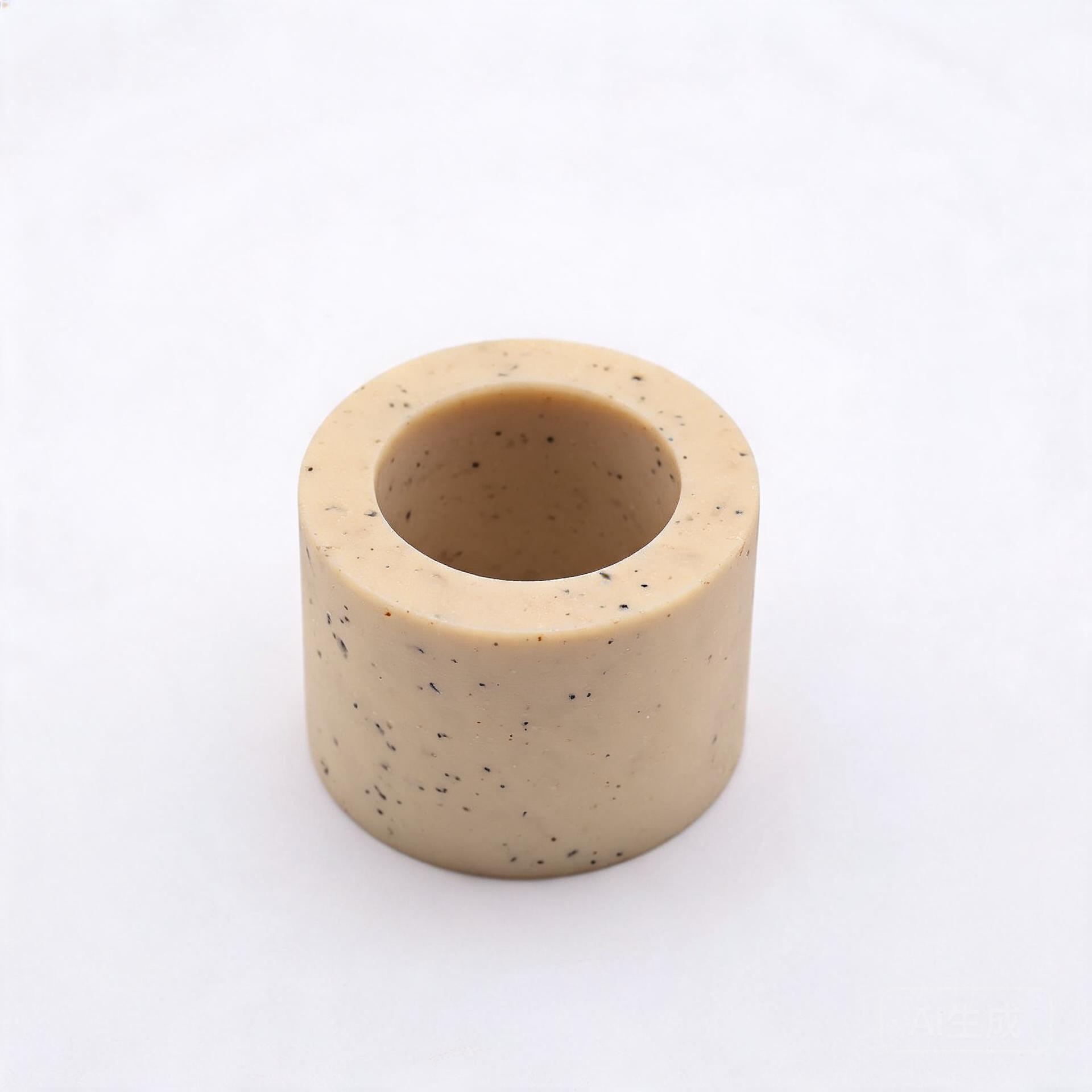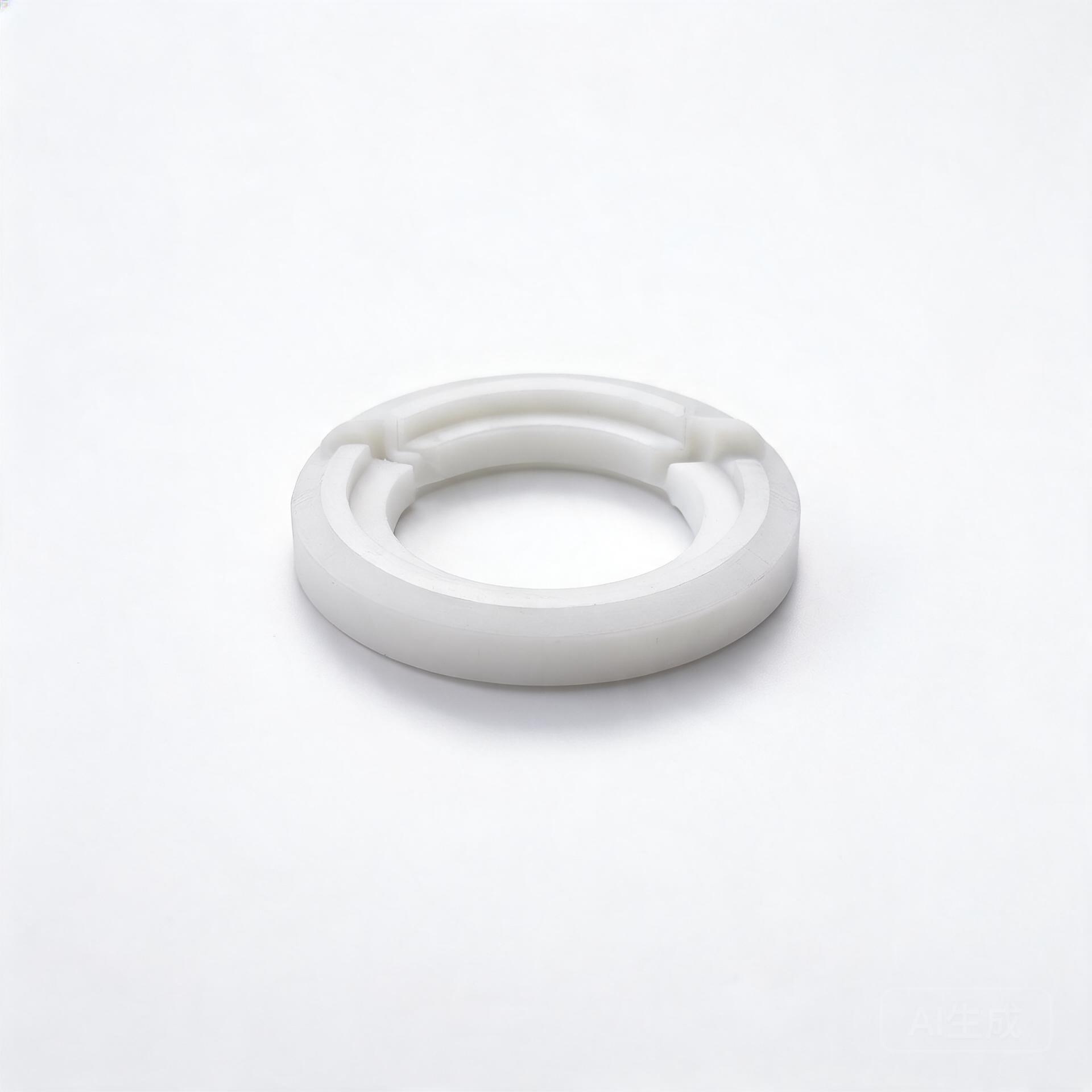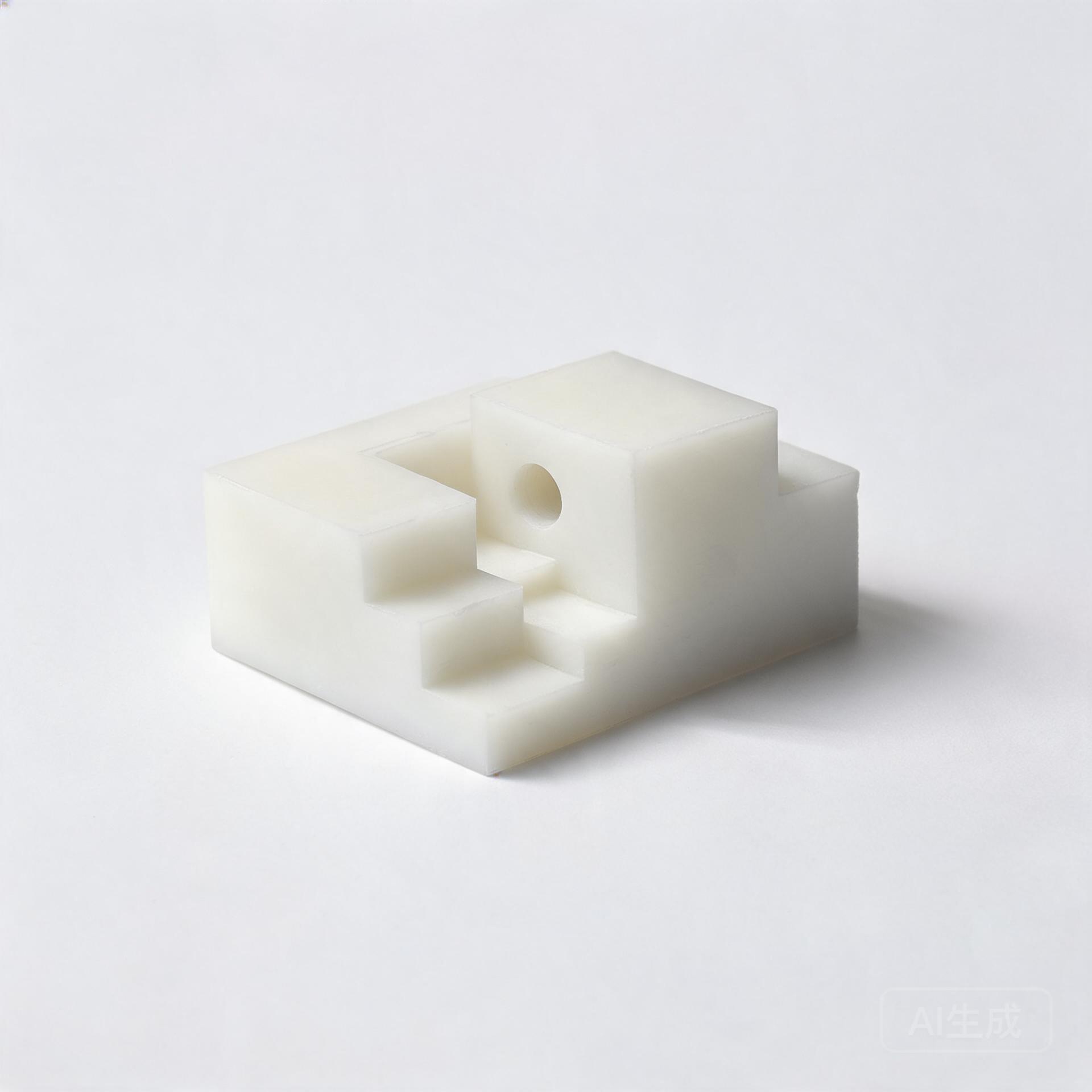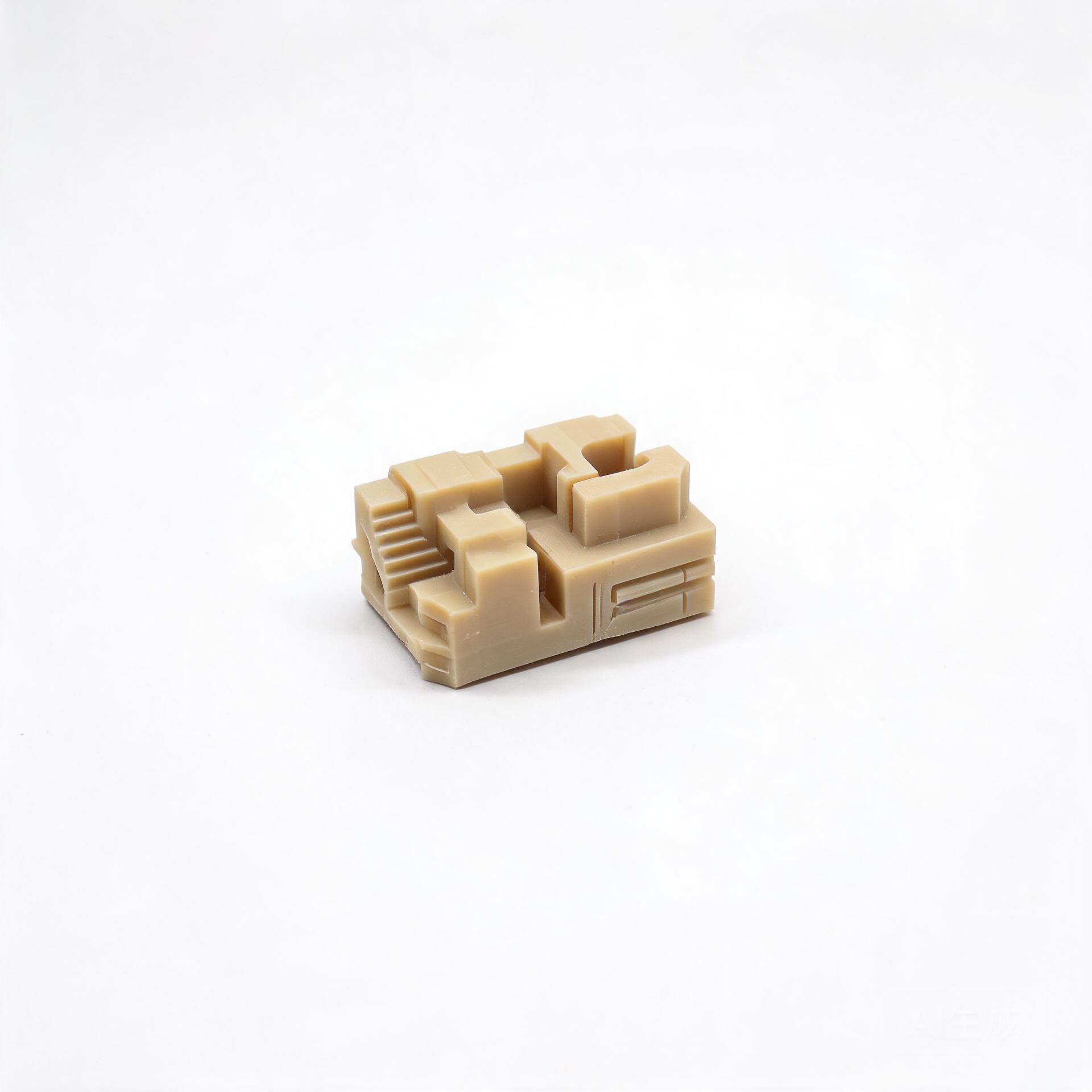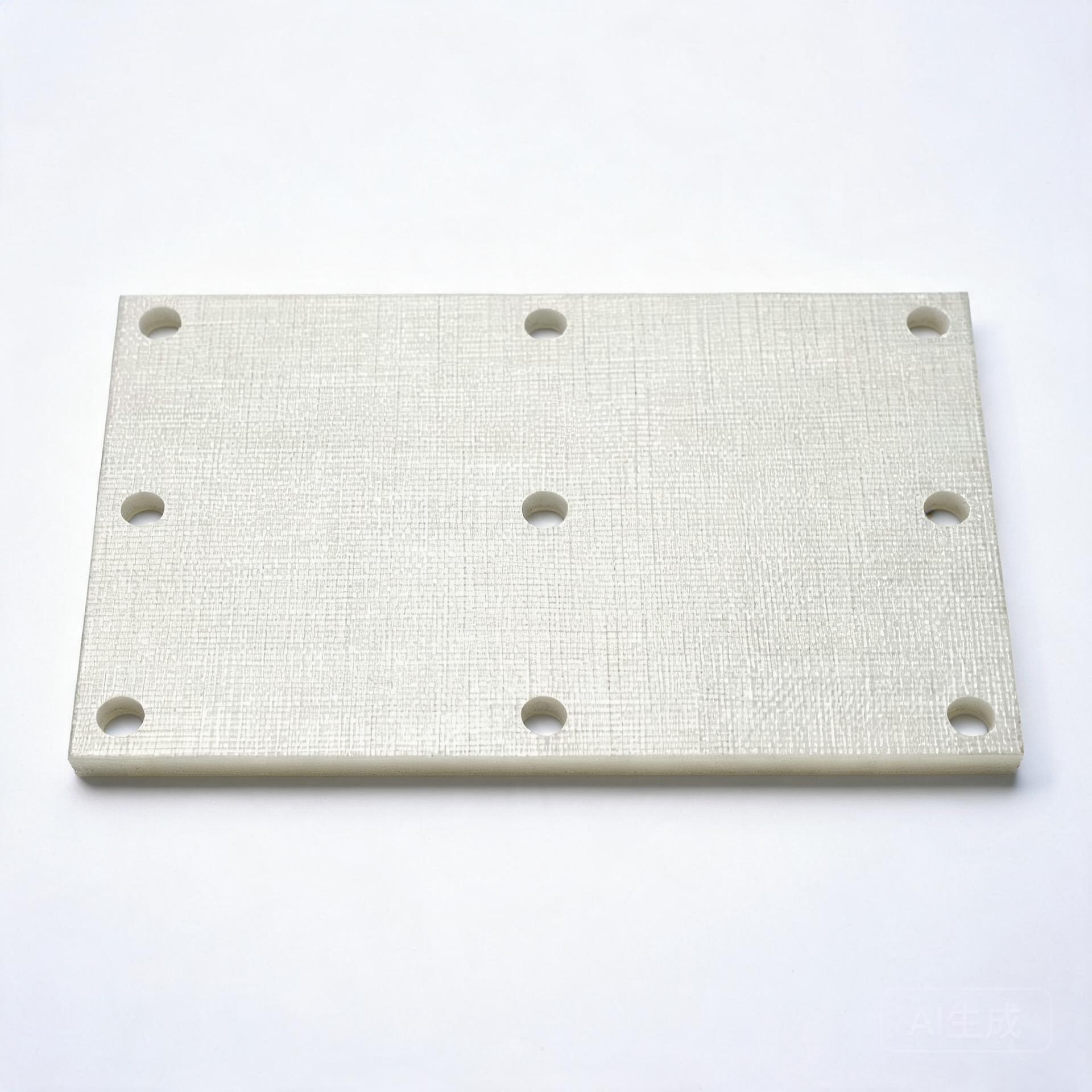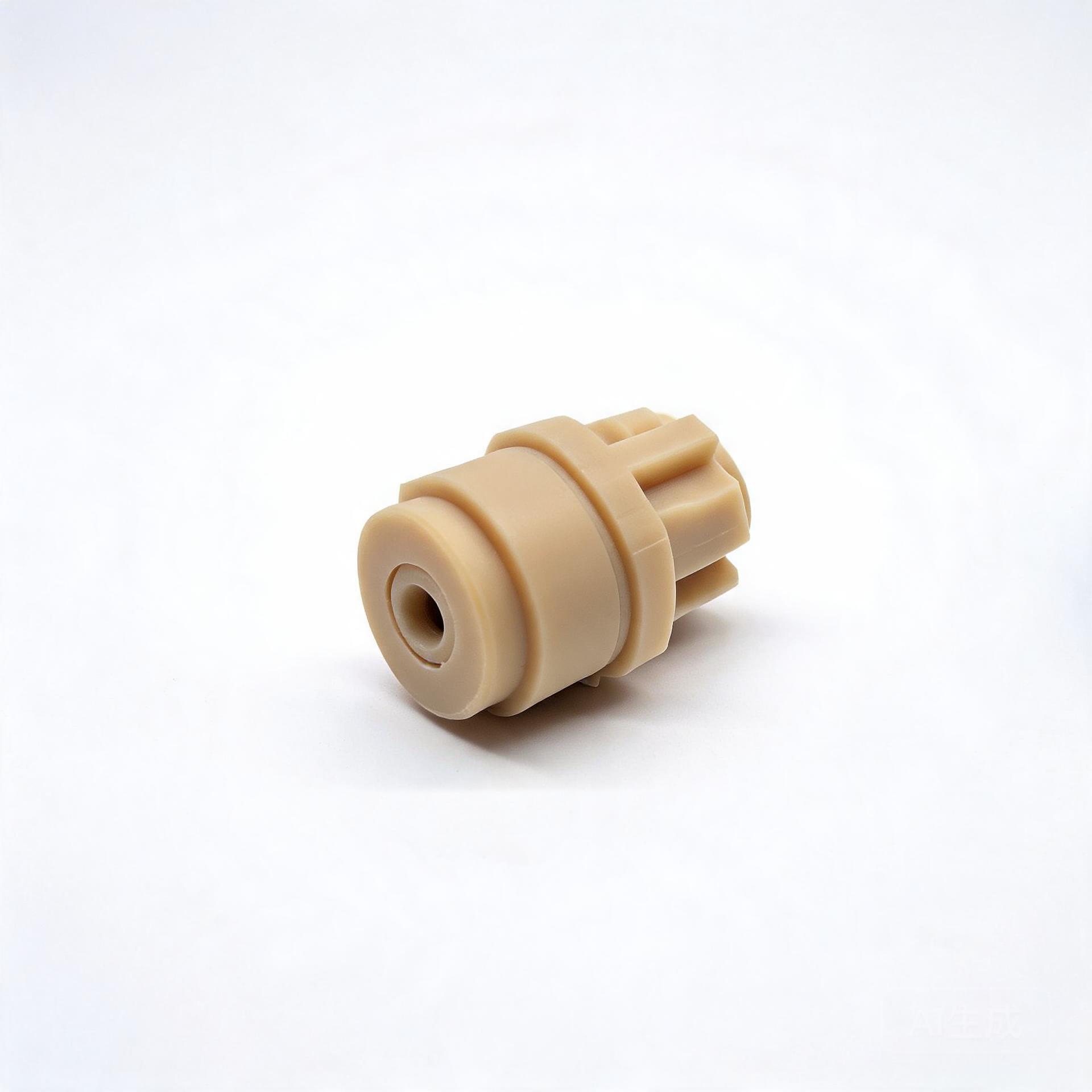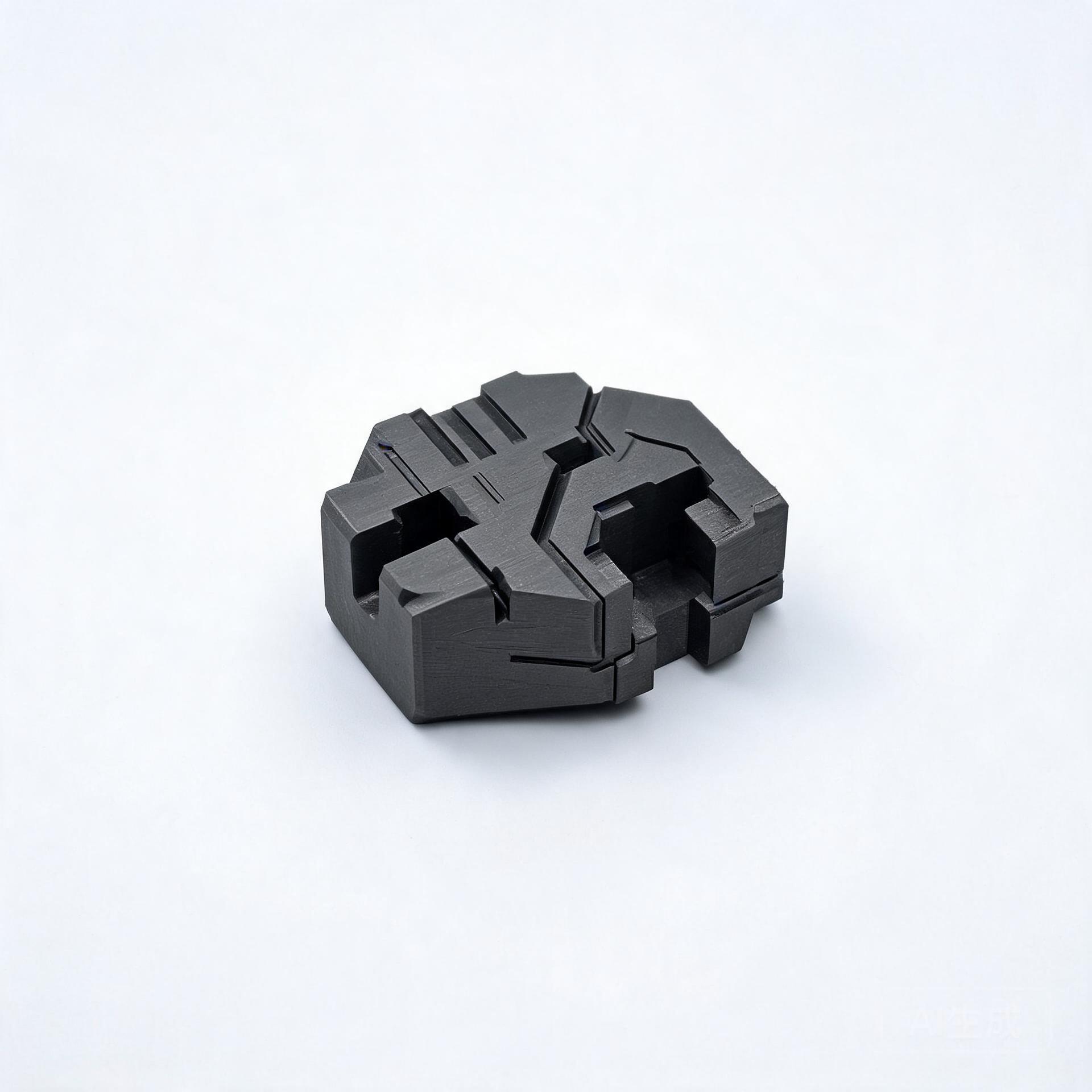
Overview
Graphite custom parts are precision-machined components produced from synthetic graphite in isostatic, extruded, or molded grades, engineered to customer drawings for use where extreme temperature, chemical inertness, or electrical and thermal conductivity is required. Graphite combines properties rarely found in a single material: it withstands temperatures approaching 3000°C in inert or vacuum atmospheres, resists thermal shock, conducts both heat and electricity, and remains chemically stable against most acids, bases, and molten metals. These characteristics make machined graphite indispensable for EDM electrodes, furnace fixtures, heating elements, crucibles, and high-temperature tooling. OrroMFG machines graphite custom parts on dedicated CNC equipment, controlling dust and dimensional accuracy to deliver components that perform reliably in the most demanding thermal and electrical environments.
Graphite is a non-metallic, self-lubricating material that machines cleanly into complex geometries with fine surface finishes. Its low density makes graphite parts far lighter than metal equivalents, and its low coefficient of thermal expansion provides dimensional stability through rapid heating and cooling cycles. OrroMFG offers a range of graphite grades, including fine-grain isostatic graphite for high strength and intricate detail, extruded graphite for cost-effective general-purpose parts, molded graphite for large cross-sections, and high-purity graphite with ultra-low ash content for semiconductor and nuclear applications. Custom parts can be supplied with machined threads, slots, tapers, cooling channels, and precise mating surfaces, and can be purified or coated where application requirements demand it.
Key Features
- Extreme Temperature Resistance: Withstands service temperatures approaching 3000°C in inert or vacuum atmospheres, far exceeding metal and most ceramic materials.
- Excellent Thermal Shock Resistance: Low thermal expansion and high thermal conductivity allow graphite to survive rapid heating and cooling without cracking.
- Self-Lubricating and Low Friction: Graphite’s layered structure provides natural lubricity, reducing wear in sliding and contact applications without external lubrication.
- Chemical Inertness: Resists most acids, bases, and molten metals, and does not wet many liquid metals, making it ideal for crucibles and process fixtures.
- High Thermal and Electrical Conductivity: Conducts heat and electricity efficiently, supporting heating elements, EDM electrodes, and heat-management components.
- Lightweight and Machinable: Low density and excellent machinability enable complex, precise geometries with a fraction of the weight of metal parts.
Material Specifications
| Property | Isostatic Graphite | Extruded Graphite | Molded Graphite | High-Purity Graphite |
|---|---|---|---|---|
| Bulk Density (g/cm³) | 1.75 - 1.85 | 1.65 - 1.75 | 1.60 - 1.75 | 1.80 - 1.90 |
| Compressive Strength (MPa) | 90 - 120 | 50 - 70 | 40 - 60 | 100 - 140 |
| Flexural Strength (MPa) | 45 - 60 | 20 - 35 | 15 - 25 | 50 - 70 |
| Tensile Strength (MPa) | 25 - 35 | 12 - 20 | 10 - 16 | 28 - 40 |
| Electrical Resistivity (µΩ·m) | 12 - 16 | 8 - 14 | 10 - 18 | 11 - 15 |
| Ash Content | < 50 ppm | 0.1 - 0.5 % | 0.1 - 1.0 % | < 10 ppm |
| Max Service Temp (inert, °C) | 3000 | 2800 | 2800 | 3000 |
| Thermal Conductivity (W/m·K) | 90 - 120 | 100 - 140 | 70 - 110 | 100 - 130 |
| CTE (10⁻⁶/K, 20-1000°C) | 4.0 - 6.0 | 2.0 - 4.0 | 3.0 - 5.0 | 4.0 - 5.5 |
| Shore Hardness | 50 - 70 | 40 - 55 | 35 - 50 | 55 - 75 |
| Typical Grain Size (µm) | < 10 | 100 - 400 | 200 - 600 | < 8 |
Applications
High-Temperature Industrial Equipment
Graphite custom parts are used in vacuum and atmosphere furnaces, heat-treatment fixtures, sintering trays, and high-temperature tooling. Their ability to withstand extreme temperatures and rapid thermal cycling makes them reliable in processes where metals would soften, oxidize, or deform. OrroMFG machines fixtures and supports to precise dimensions so that parts seat accurately and remain stable through repeated furnace cycles.
Semiconductor Manufacturing
In semiconductor processing, high-purity graphite parts serve as electrodes, susceptors, heaters, and plasma-etch components. Ultra-low ash content minimizes contamination of wafers, while excellent thermal and electrical conductivity supports uniform heating and stable electrical performance. OrroMFG supplies purified graphite components machined to tight tolerances for cleanroom and vacuum process environments.
Metallurgy and Foundry
Graphite custom parts are used as crucibles, molds, dies, and continuous-casting components in metallurgy and foundry operations. Graphite resists attack by many molten metals and does not wet them, extending the life of contact parts, while its thermal shock resistance tolerates the rapid temperature changes of casting cycles. Machined dies and molds deliver accurate shapes and clean surfaces.
Glass and Ceramics
In glass and ceramics production, graphite parts form molds, forming tools, and support fixtures that contact hot glass and ceramic materials. Graphite’s non-wetting behavior and thermal stability help produce smooth surfaces and consistent shapes, and its resistance to thermal shock supports the rapid cycles typical of glass forming. Machined tooling is produced to precise profiles for accurate forming.
Chemical and Electrochemical Processing
Graphite custom parts serve as electrodes, heat exchangers, and corrosion-resistant components in chemical and electrochemical processing. Their chemical inertness resists aggressive acids and bases, while their conductivity supports electrochemical reactions and heat transfer. OrroMFG machines graphite parts to customer specifications for reliable service in corrosive and high-temperature process streams.
Operating Conditions
- Temperature Range: Continuous service up to 3000°C in inert or vacuum atmospheres; in air, service is typically limited to about 400-500°C because of oxidation
- Atmosphere: Best performance in vacuum, inert, or reducing atmospheres; protective coatings or impregnation can extend life in mildly oxidizing conditions
- Load Capacity: High compressive strength supports structural and load-bearing duty; flexural and tensile strength should be considered in design to avoid brittle failure
- Chemical Compatibility: Resists most acids, bases, and molten metals; not recommended for strong oxidizing agents or environments that promote rapid oxidation
- Electrical Duty: Suitable for EDM electrodes, heating elements, and conductive components; resistivity varies by grade and should be matched to the application
- Thermal Cycling: Excellent resistance to thermal shock allows rapid heating and cooling without cracking
- Friction and Wear: Self-lubricating in sliding contact; wear rate depends on grain size, environment, and mating surface
- Cleanliness: High-purity grades minimize particle and ash contamination for semiconductor, nuclear, and laboratory applications
Material Comparison
| Material | Strength | Temp Range | Electrical Conductivity | Cost | Best For |
|---|---|---|---|---|---|
| Graphite | Good (compressive) | up to ~3000°C (inert) | High | Medium | EDM electrodes, high-temp fixtures, crucibles |
| Copper (EDM) | Good | up to ~500°C | Very High | High | Fine-detail EDM electrodes, low-wear tooling |
| Silicon Carbide | Excellent | up to ~1600°C | Moderate | High | High-strength, oxidation-resistant high-temp parts |
| Alumina Ceramic | Excellent | up to ~1600°C | Insulating | Medium | Electrical insulation, wear-resistant parts |
| Stainless Steel | Excellent | up to ~800°C | Moderate | Low-Medium | Structural, corrosion-resistant high-temp parts |
Choose graphite custom parts when:
- Service temperatures exceed the limits of metals and most ceramics
- Rapid thermal cycling and thermal shock resistance are required
- Electrical or thermal conductivity is needed in a high-temperature environment
- Chemical inertness against acids, bases, or molten metals is essential
- Self-lubricating, non-wetting contact behavior is beneficial
- Low weight and good machinability are important for complex high-temperature components
Customization Options
- Material Grades: Isostatic, extruded, molded, and high-purity graphite, including fine-grain grades for high detail and low-ash grades for semiconductor use
- Purification and Impregnation: High-temperature purification, resin or metal impregnation, and oxidation-resistant coatings on request
- Size Range: Components from a few millimeters to large blocks and cylinders over 500 mm; custom dimensions available
- Tolerances: Machined to IT7-IT10 depending on feature and grade; tighter tolerances available for critical mating surfaces
- Feature Machining: Threads, slots, tapers, grooves, cooling channels, and precise sealing surfaces
- Surface Finishes: As-machined, fine-finished, and polished surfaces for controlled contact and clean release
- Profiles and Geometries: Electrodes, plates, rods, tubes, crucibles, and fully custom three-dimensional shapes
- Color and Marking: Standard dark gray graphite with optional part marking for identification
- Secondary Operations: Cleaning, dust removal, dimensional verification, and protective packaging for sensitive parts
- Design Support: Drawing review and manufacturability assessment to optimize geometry for machining and performance
Quality Assurance
OrroMFG manufactures graphite custom parts within an ISO 9001:2015 certified quality management system, applying documented controls that ensure consistent material grade and precise geometry. Incoming graphite is verified against supplier certificates for density, grain size, ash content, and mechanical properties, and certificates of analysis are retained for traceability. Process control plans define machining parameters and inspection frequencies so that critical characteristics such as dimensions, flatness, and surface finish are monitored throughout production, with dedicated dust-control measures protecting part cleanliness.
In-process inspection uses calibrated gauges and fixtures to verify dimensions as parts are milled and turned, and coordinate measuring machine (CMM) reports are available for precision programs. Final inspection includes 100% verification of critical features and sampling of surface finish and visual quality, with additional checks for ash content and cleanliness on high-purity grades. Finished parts are supplied with material certificates, inspection reports, and batch traceability documentation, and first article inspection (FAI) reports are provided for new or high-value programs on request. This disciplined quality process ensures that every graphite custom part performs reliably in extreme thermal, electrical, and chemical service.