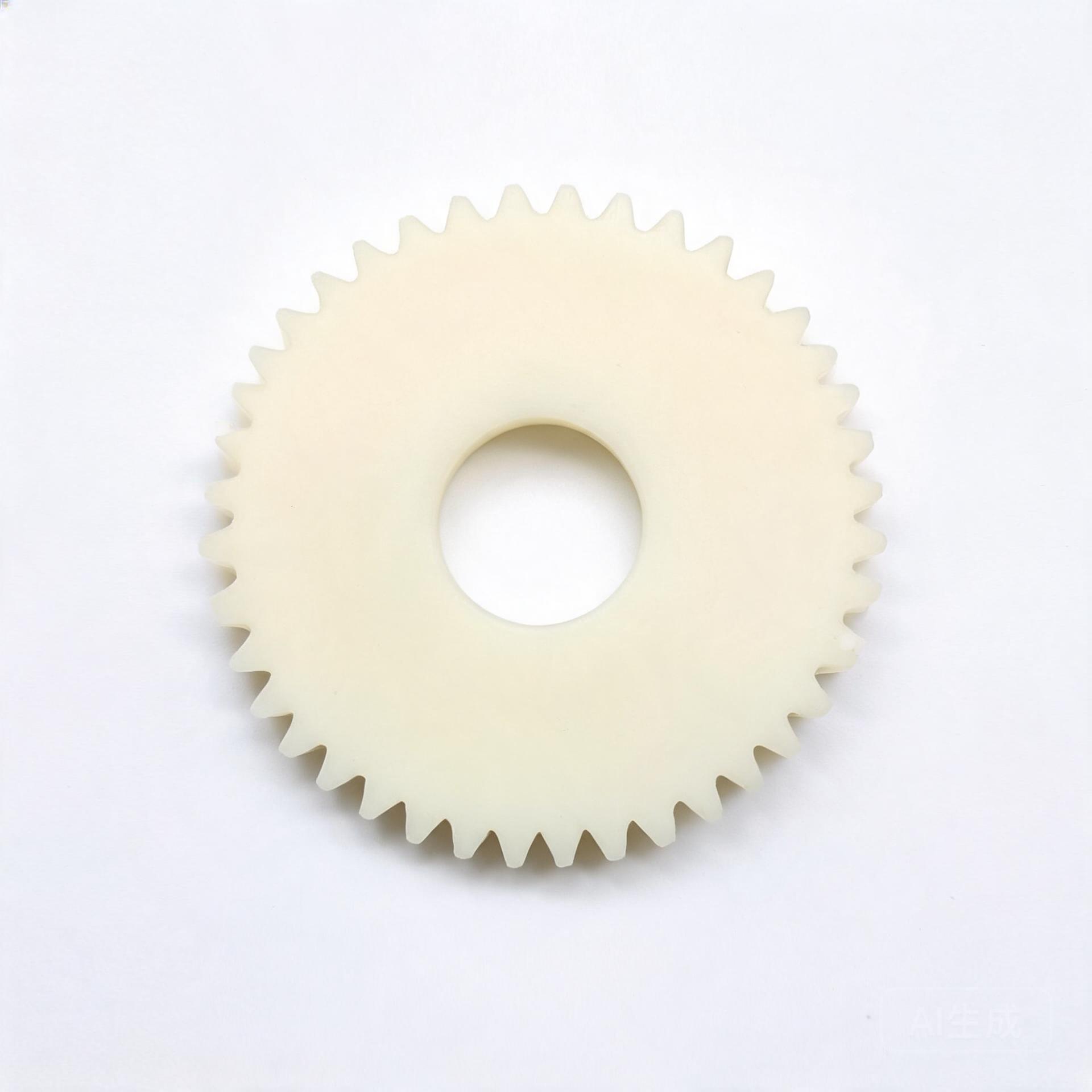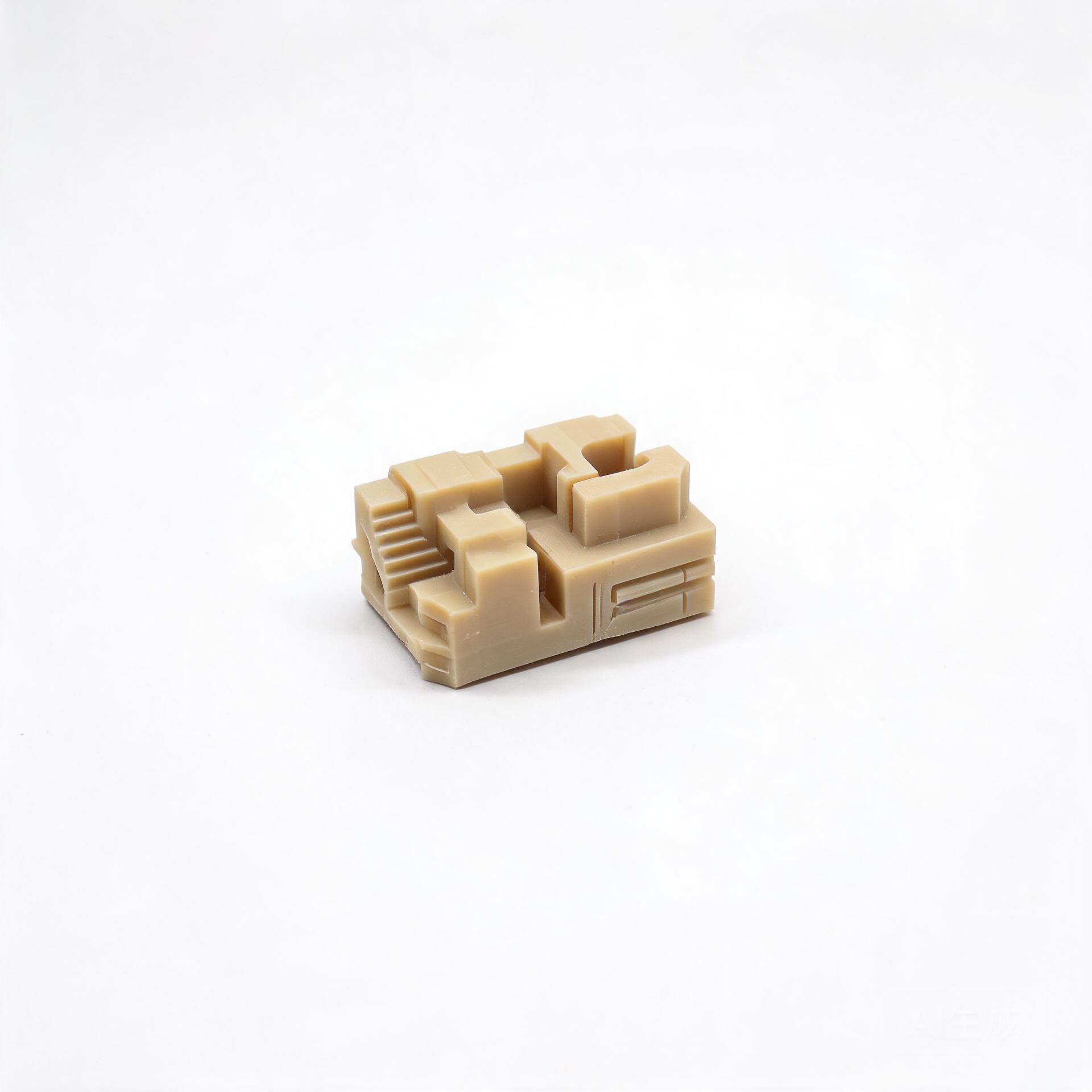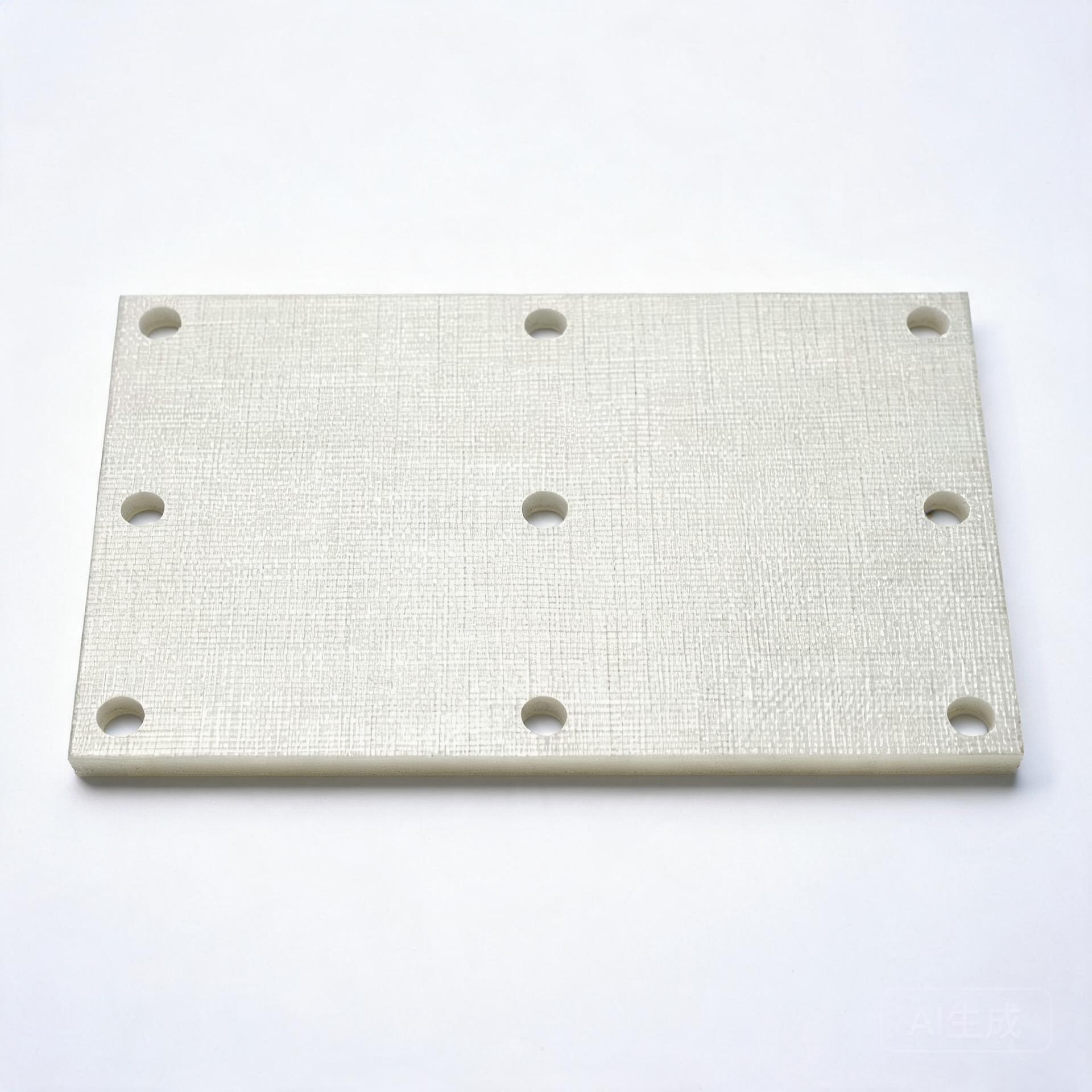
Overview
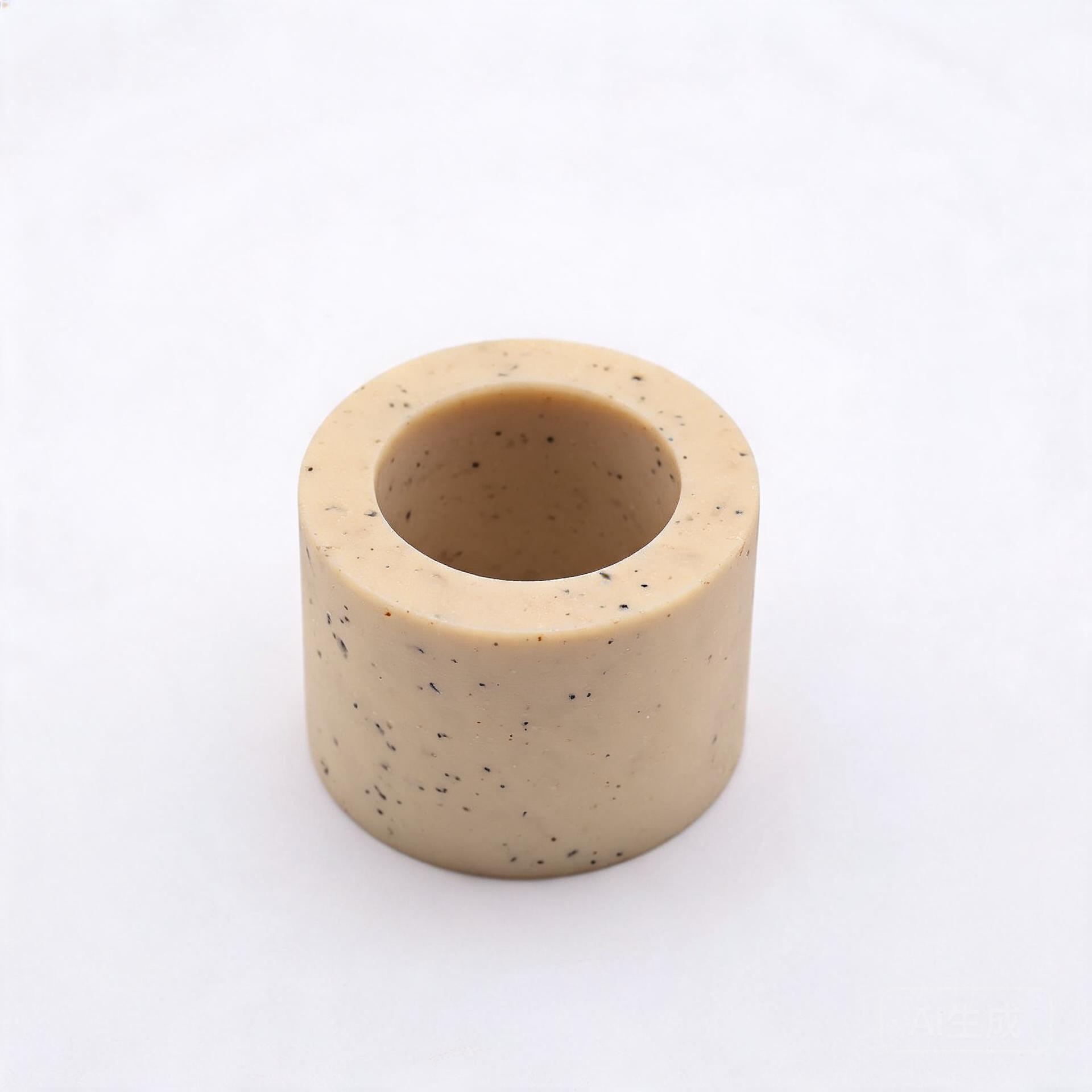
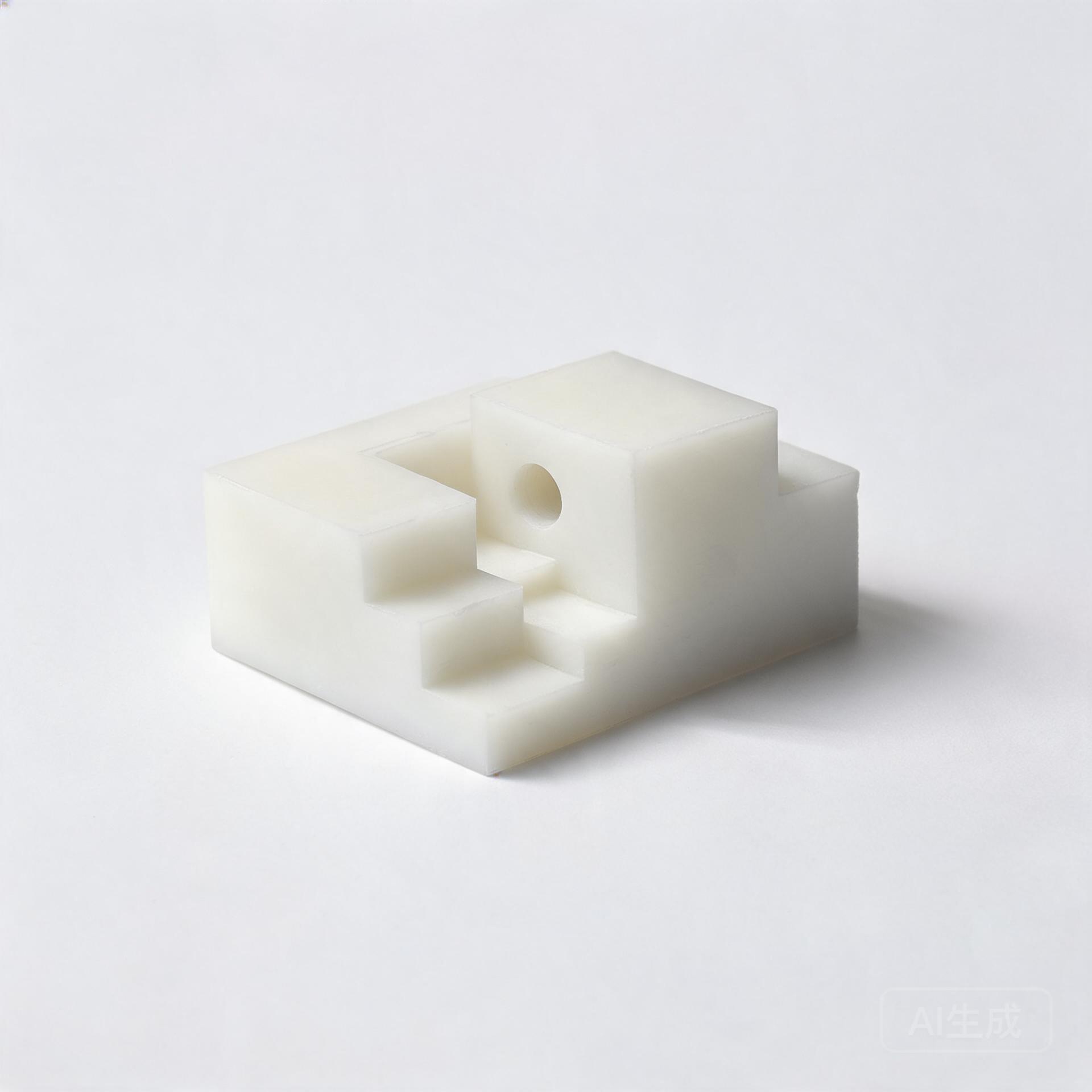
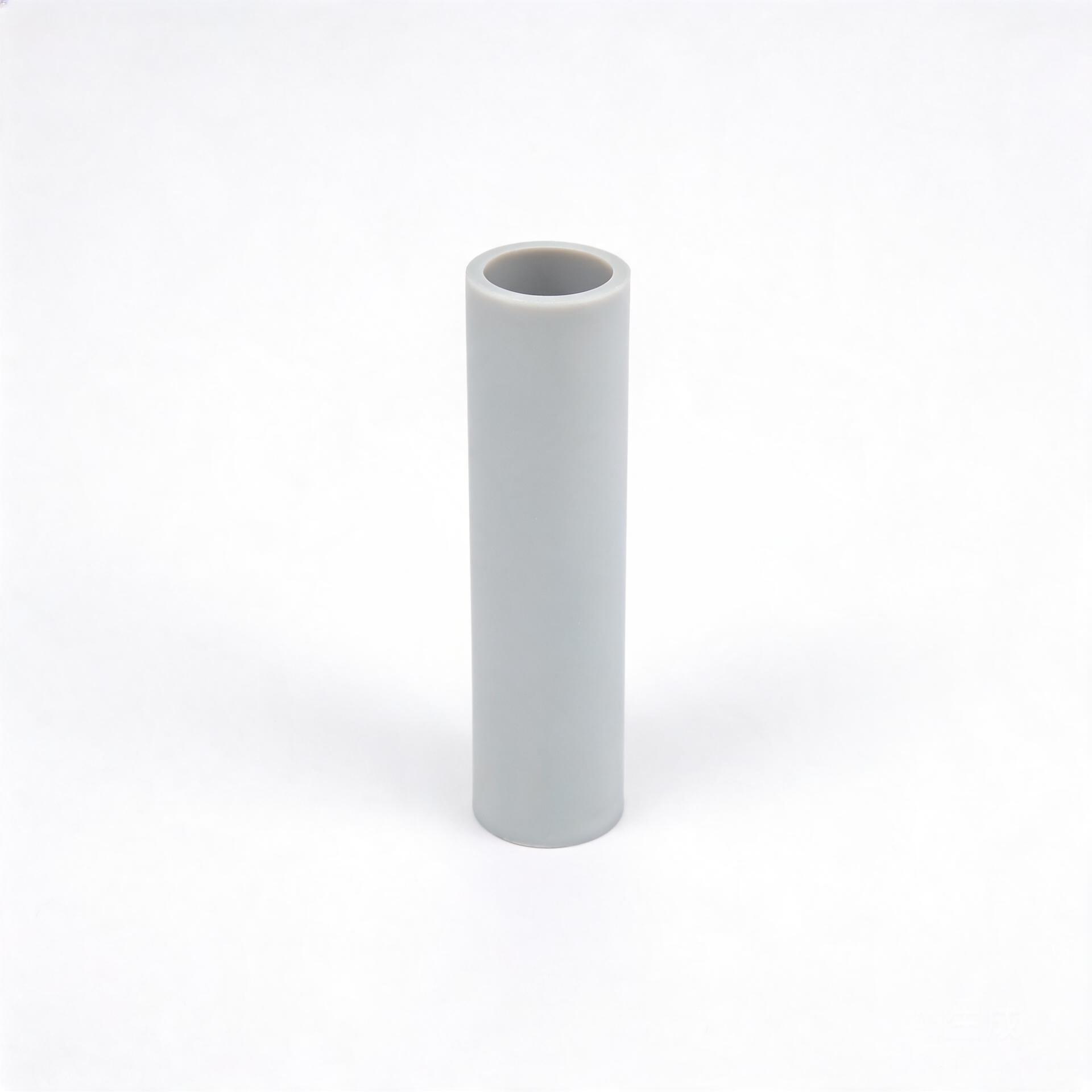
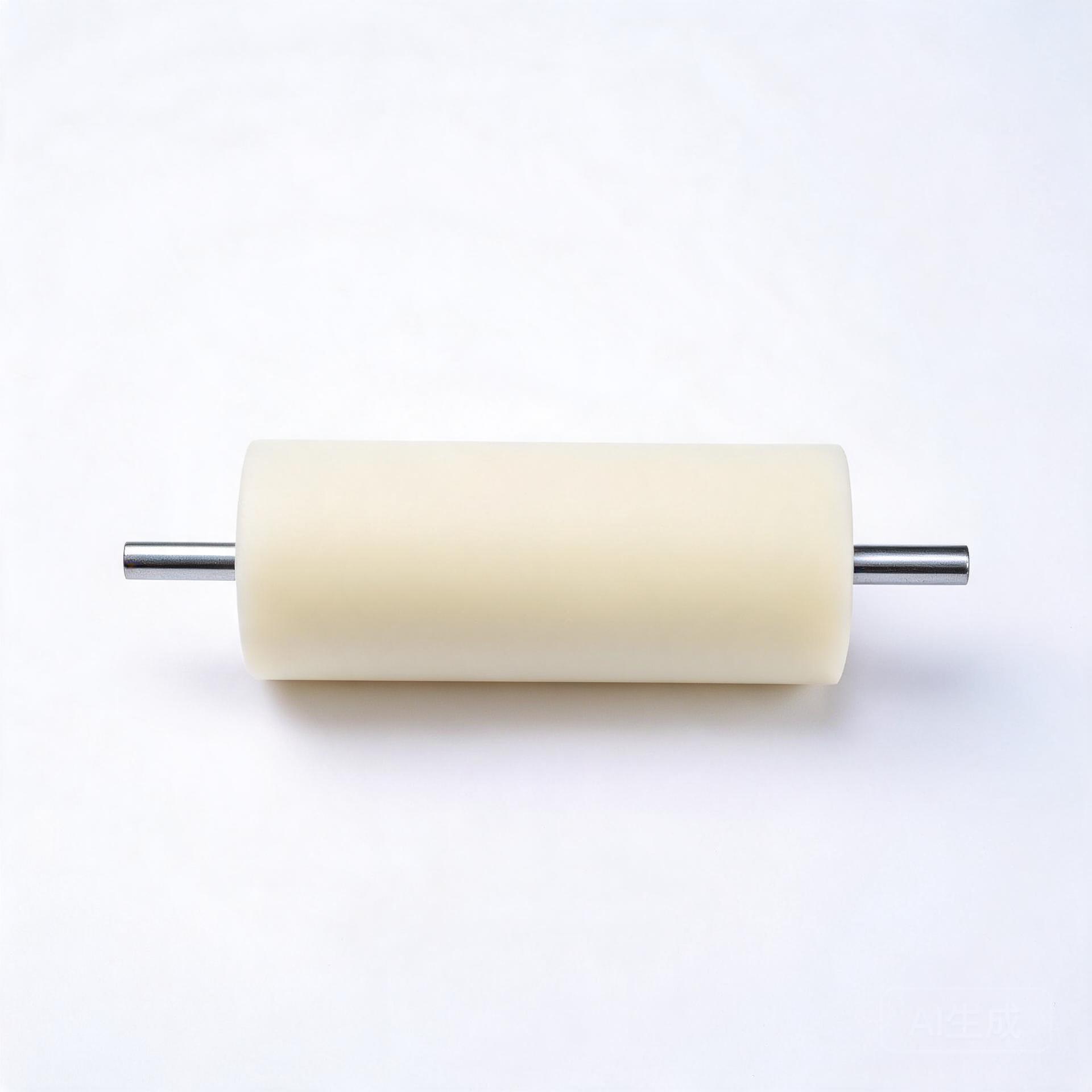
FRP mounting plates are structural insulating panels manufactured from fiberglass-reinforced plastic (also known as GRP) and machined to drawing for mounting, isolating and supporting electrical and mechanical components. The glass fiber reinforcement carries the mechanical load while the polymer matrix provides electrical insulation and corrosion resistance, producing a material that behaves like a structural panel but cannot conduct current or corrode. OrroMFG produces FRP mounting plates by CNC milling, drilling and turning of laminated sheet, delivering flat, accurately drilled plates with clean edges and controlled hole patterns.
The main advantage of FRP over aluminum or steel is the combination of useful mechanical strength with complete electrical isolation and immunity to galvanic and atmospheric corrosion. FRP plates do not rust, are unaffected by moisture, salt spray and most industrial chemicals, and are non-magnetic, which makes them suitable for transformer, switchgear and instrument mounting where metal plates would create eddy currents or short-circuit paths. Our product range includes switchgear mounting panels, busbar support plates, terminal board insulators, transformer spacers, equipment base plates and custom drilled or slotted panels. Laminates are available in polyester, vinyl ester, epoxy (G10/FR4) and phenolic systems, with thicknesses from 1mm to 50mm and glass contents selected to match the required stiffness, dielectric strength and flame rating.
Key Features
- High Strength with Electrical Insulation: Glass fiber reinforcement delivers tensile strengths of 60-350 MPa while volume resistivity above 10¹³ Ω·cm isolates mounted components from earth and from each other.
- Excellent Corrosion Resistance: Unlike steel or aluminum, FRP does not rust, pit or suffer galvanic corrosion in humid, salt-laden or chemically aggressive environments.
- Dimensional Stability and Flatness: Low moisture absorption and low thermal expansion keep mounting hole positions accurate across temperature and humidity changes.
- Flame-Retardant Formulations: Self-extinguishing and UL 94 V-0 laminate grades are available for switchgear, control panel and building service applications.
- Non-Magnetic and Non-Sparking: Suitable for transformer cores, magnetic instruments and hazardous areas where ferrous mounting plates are unsuitable.
- Machinable Like a Structural Panel: FRP can be milled, drilled, tapped, countersunk and slotted to tight tolerances, allowing complex mounting geometries from a single plate.
Material Specifications
| Property | Polyester FRP (GRP) | Vinyl Ester FRP | Epoxy FRP (G10 / FR4) | Phenolic FRP |
|---|---|---|---|---|
| Density (g/cm³) | 1.50 - 1.90 | 1.50 - 1.90 | 1.80 - 2.00 | 1.40 - 1.80 |
| Tensile Strength (MPa) | 60 - 150 | 70 - 160 | 250 - 350 | 80 - 150 |
| Flexural Strength (MPa) | 100 - 250 | 120 - 260 | 350 - 450 | 150 - 250 |
| Flexural Modulus (GPa) | 8 - 15 | 9 - 16 | 18 - 22 | 9 - 16 |
| Compressive Strength (MPa) | 120 - 200 | 130 - 210 | 300 - 400 | 150 - 220 |
| Notched Izod Impact (J/m) | 400 - 900 | 400 - 900 | 300 - 600 | 150 - 400 |
| HDT at 1.8 MPa (°C) | 100 - 150 | 100 - 160 | 130 - 150 | 150 - 200 |
| Continuous Service Temp (°C) | 120 | 120 | 130 | 150 |
| Dielectric Strength (kV/mm) | 8 - 15 | 8 - 15 | 15 - 20 | 10 - 16 |
| Volume Resistivity (Ω·cm) | 10¹³ - 10¹⁴ | 10¹³ - 10¹⁴ | 10¹⁴ - 10¹⁵ | 10¹² - 10¹³ |
| Water Absorption (24h, %) | 0.20 - 0.60 | 0.10 - 0.40 | 0.10 - 0.30 | 0.50 - 1.50 |
| Flammability Rating | Self-extinguishing; UL 94 V-0 grades | Self-extinguishing; UL 94 V-0 grades | UL 94 V-0 (FR4) | Self-extinguishing, low smoke |
Applications
Electrical and Electronics
FRP plates are used as switchgear mounting panels, breaker and contactor base plates, terminal board insulators, relay mounting boards and PCB support panels. They isolate live components from earthed enclosures, prevent tracking across dirty or damp surfaces, and provide a rigid, drillable substrate for terminal studs and busbar supports.
Energy and Power
In power generation and distribution equipment, FRP mounting plates support busbars, current transformers, cable glands and instrument components inside transformers, ring main units and control cabinets. Their non-magnetic, non-conductive nature avoids eddy-current heating and short-circuit paths, and their corrosion resistance suits outdoor substation enclosures and renewable energy installations.
Chemical Processing
Chemical plants use FRP mounting plates for pump and valve control panels, instrument mounting brackets, tank level device plates and equipment skids. The material resists acid splash, chloride exposure, solvent vapour and washdown chemicals that would corrode metal mounting plates, and it does not contaminate process streams.
Construction and Infrastructure
FRP plates serve as structural insulating pads, facade fixing plates, bridge and tunnel equipment mounting boards, and railway signal and track equipment insulators. Their weather resistance, dimensional stability and non-corroding behaviour suit outdoor installation where maintenance access is difficult and long service life is essential.
Marine and Offshore
FRP mounting plates are specified on ships, offshore platforms and dockside equipment for cable tray supports, instrument panels and antenna mounts. The laminates resist salt spray, constant humidity and UV exposure without rust or degradation, and remain electrically insulating in wet conditions.
Operating Conditions
- Temperature Range: -40°C to +130°C (-40°F to +266°F) continuous for epoxy and polyester FRP; phenolic laminates extend service to 150°C
- Mechanical Load: Suitable for static structural mounting and support duties; typical flexural strengths of 100-450 MPa allow plates to carry substantial component loads
- Voltage Class: Suitable for low and medium voltage insulation; dielectric strength and creepage distance must be checked for higher-voltage switchgear
- Chemical Compatibility: Excellent with water, salt solutions, dilute acids and bases, alcohols and most industrial solvents; vinyl ester grades are preferred for strong acids and hypochlorite
- Moisture and Humidity: Low water absorption keeps mechanical strength and insulation resistance stable in humid, washdown and marine environments
- UV Exposure: Polyester and vinyl ester laminates should be gel-coated or painted for prolonged direct sunlight; epoxy and phenolic grades are more UV tolerant
- Flammability: Self-extinguishing formulations available, with UL 94 V-0 and low-smoke grades for enclosed electrical equipment
- Machining Environment: Dust from cutting and machining must be extracted and controlled; machined edges should be sealed where chemical exposure is severe
Material Comparison
| Material | Strength | Temp Range | Electrical Insulation | Corrosion Resistance | Cost | Best For |
|---|---|---|---|---|---|---|
| FRP (GRP) | High | -40 to +130°C | Excellent | Excellent | Low-Medium | Insulating structural plates, corrosion-resistant panels |
| Epoxy FRP (G10/FR4) | Very High | -40 to +130°C | Excellent | Very Good | Medium | Precision insulating plates, switchgear, PCB fixtures |
| Phenolic FRP | High | -40 to +150°C | Very Good | Good | Medium | High-temperature and low-smoke insulating parts |
| Aluminum | High | -50 to +200°C | None (conductive) | Fair | Medium | Conductive structural mounting, heat dissipation |
| Carbon Steel | Very High | -50 to +300°C | None (conductive) | Poor (requires coating) | Low | High-load structural mounting in dry environments |
| Polycarbonate | Medium | -40 to +120°C | Good | Fair | Medium | Transparent insulating covers and guards |
| HDPE / PP | Low | -50 to +90°C | Good | Excellent | Low | Low-load chemically resistant panels and liners |
Choose FRP mounting plates when:
- A mounting plate must carry structural loads while electrically isolating components
- Corrosion, humidity or chemical exposure rules out aluminum and steel
- Non-magnetic behaviour is required near transformers or magnetic instruments
- Flatness and stable hole positions must be maintained across temperature and humidity changes
- A flame-retardant, self-extinguishing insulating panel is required for enclosed equipment
- Large or complex drilled, slotted and tapped plate geometries are needed from sheet stock
Customization Options
- Laminate Grades: Polyester FRP, vinyl ester FRP, epoxy G10/FR4, phenolic FRP and flame-retardant low-smoke variants
- Glass Reinforcement: Chopped strand mat, woven roving, continuous filament and unidirectional laminates selected for strength and dielectric requirements
- Thickness Range: 1mm to 50mm standard sheet, with thicker laminated build-ups on request
- Plate Size: Up to 2000mm x 1000mm per plate, with larger assemblies produced by bonded or bolted sections
- Machining Features: Milled profiles, drilled and tapped holes, countersinks, slots, pockets, chamfers and edge radii
- Tolerances: ±0.10mm on hole positions and ±0.20mm on overall profiles for machined plates; flatness held to 0.5mm per metre
- Surface Finishes: As-machined, sanded, sealed edges, gel-coated, painted or anti-tracking coated surfaces
- Color Options: Natural green, grey, black, white, tan (phenolic) and custom pigmented or painted colors
- Inserts and Hardware: Threaded inserts, bonded studs, metal bushings and captive fasteners installed to specification
- Marking and Documentation: Part number and batch marking, plus material certificates, dielectric test reports and traceability records
Quality Assurance
OrroMFG manufactures FRP mounting plates under an ISO 9001:2015 certified quality management system. Incoming laminate sheet is verified against its certificate of analysis for glass content, thickness, density, flexural strength, dielectric strength and flammability rating, and panels are inspected for delamination, voids, resin-starved areas and surface defects before release to production. Each sheet is identified and tracked so that finished plates can be traced back to their laminate batch.
In-process inspection covers plate flatness, thickness and edge quality during machining, with hole positions, diameters and thread quality checked against the customer drawing. Finished plates are measured on coordinate measuring machines (CMM) and with optical comparators and calibrated gauges, and sampled parts are tested for flexural strength, water absorption and dielectric withstand where specified. First article inspection (FAI) reports are issued for new part numbers and tooling, and every shipment can include a certificate of analysis (COA), dimensional inspection reports, material and flammability documentation, and full batch traceability records. Machined edges are deburred, cleaned and sealed where the application requires protection against chemical ingress.