Overview
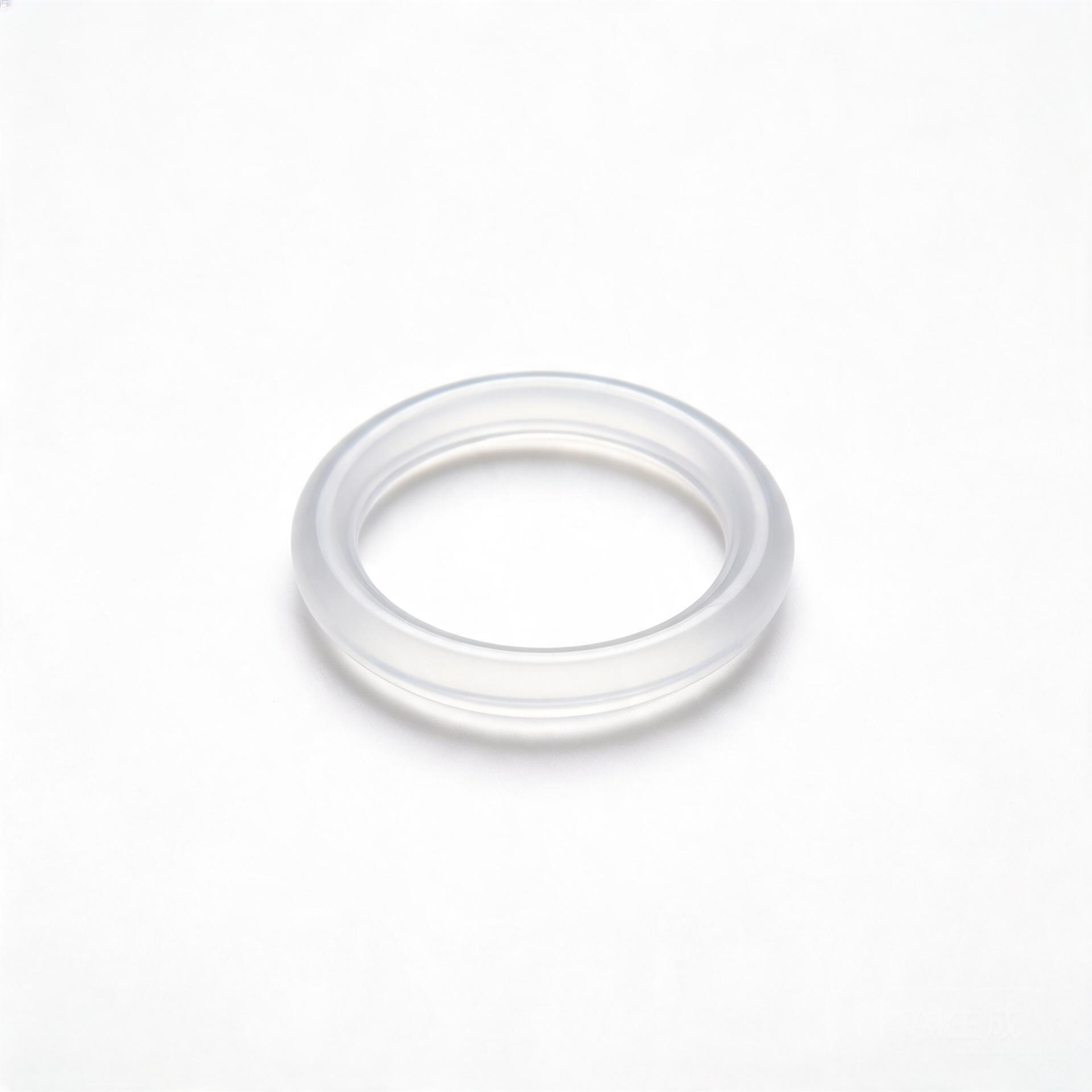
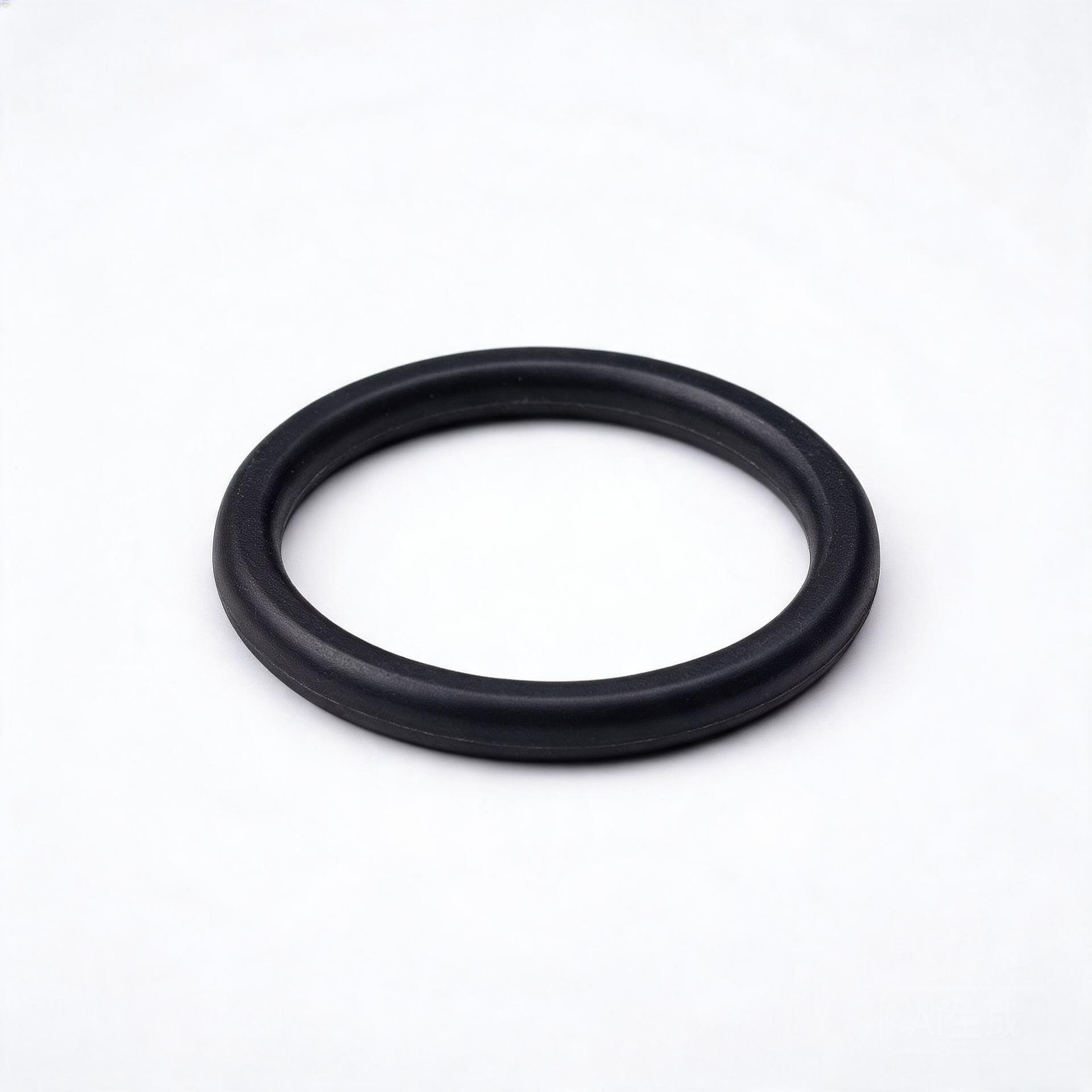
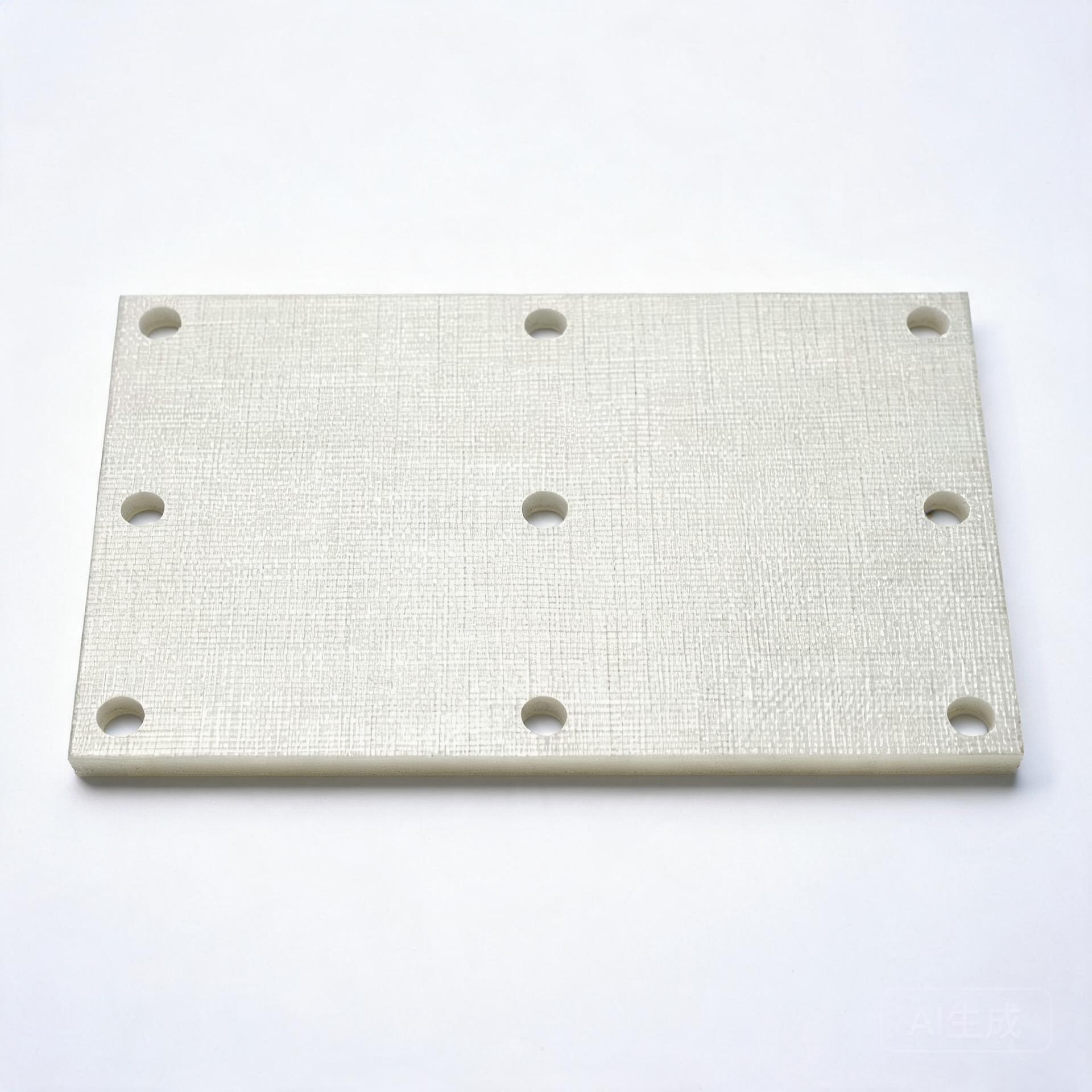
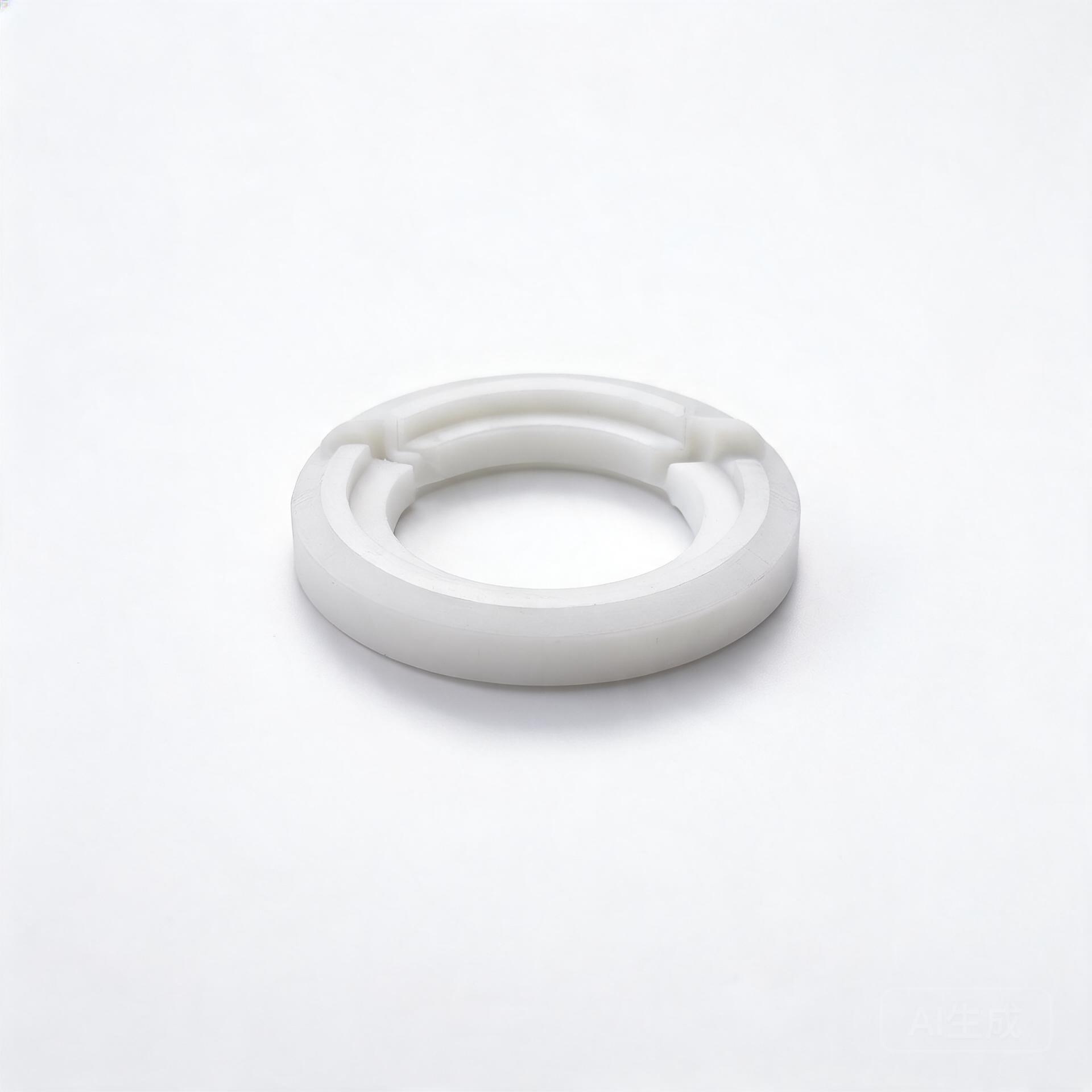
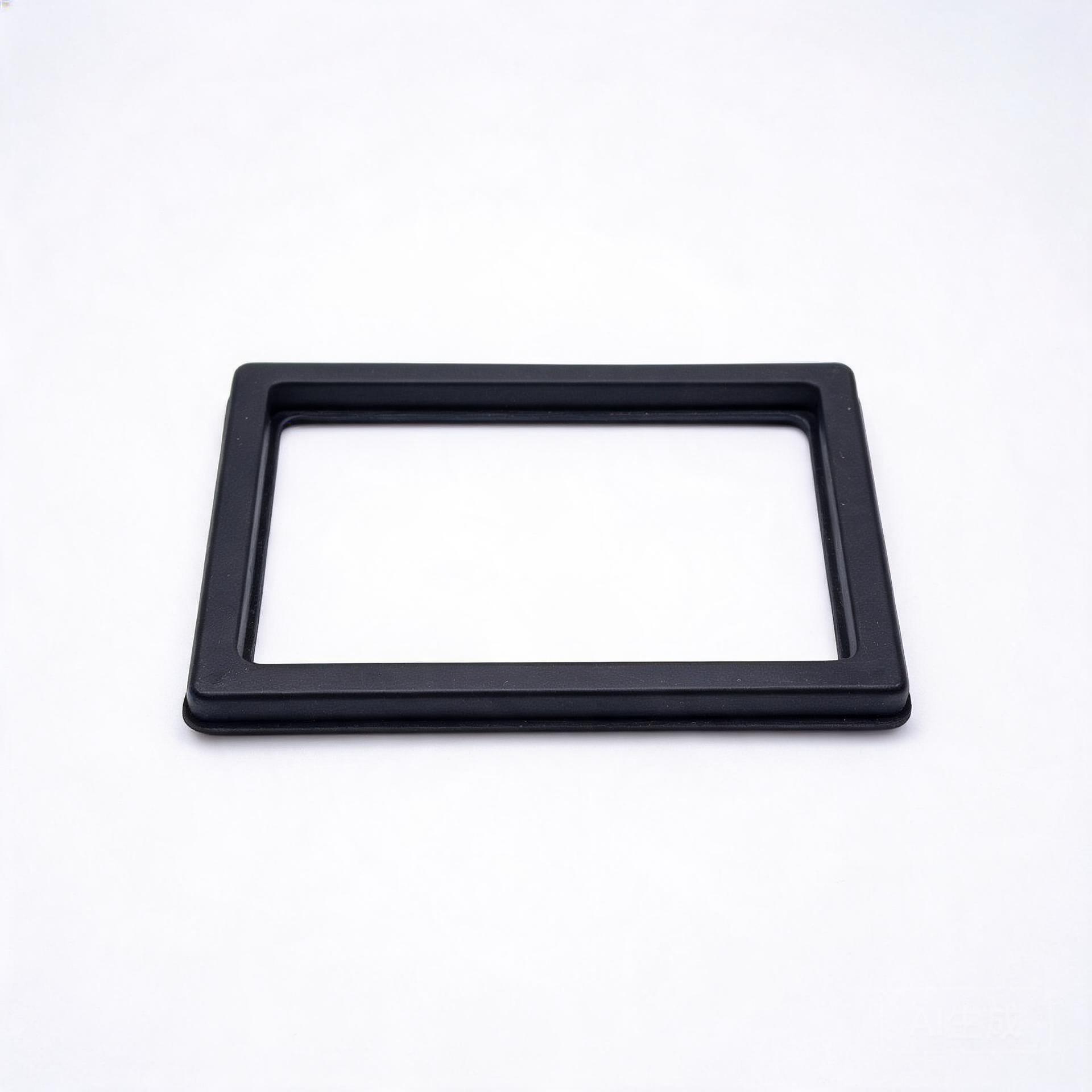
EPDM HVAC gaskets are elastomeric sealing components molded or die-cut from ethylene propylene diene monomer rubber for use in heating, ventilation and air conditioning equipment, water handling systems and outdoor enclosures. EPDM is a saturated, non-polar rubber with an outstanding resistance to weathering, ozone, UV radiation and water, which makes it the standard choice for gaskets that must survive decades of exposure without cracking or hardening. OrroMFG produces EPDM HVAC gaskets by compression molding, injection molding, CNC machining and laser cutting, supplying both standard flange and panel profiles and fully custom sealing geometries.
Compared with nitrile, natural rubber and neoprene, EPDM retains its elasticity far longer in outdoor and humid environments and offers excellent resistance to hot water, steam and mild chemicals. Its wide service temperature range of -50°C to +150°C covers rooftop units, chilled-water systems, boiler plant rooms and automotive under-hood air ducting. Our range includes flange gaskets, duct and damper seals, filter frame gaskets, access panel seals, drain pan gaskets, window and door weather seals and vibration isolation pads. Peroxide-cured grades deliver lower compression set and better high-temperature aging, while sponge and closed-cell EPDM grades provide lightweight compressible sealing for uneven mating surfaces and low-torque assemblies.
Key Features
- Exceptional Weather and Ozone Resistance: EPDM’s saturated polymer backbone resists ozone attack, UV degradation and weathering, so gaskets do not crack, chalk or become brittle after years of outdoor exposure.
- Excellent Water and Steam Resistance: Very low water absorption and good steam tolerance suit chilled water, hot water, condensate and humid air handling service.
- Wide Temperature Range: Remains flexible from -50°C to +150°C (-58°F to +302°F), covering rooftop HVAC equipment, boiler rooms and automotive air systems.
- Low Compression Set: Peroxide-cured grades recover well after long compression, maintaining sealing force on bolted flanges, panels and duct joints.
- Good Electrical Insulation: High dielectric strength and volume resistivity support use as an insulating gasket in electrical enclosures and equipment panels.
- Cost-Effective and Widely Available: Lower raw material cost than silicone or FKM, with excellent availability in dense, sponge and closed-cell forms for different sealing duties.
Material Specifications
| Property | Peroxide-Cured EPDM | Sulfur-Cured EPDM | EPDM Sponge | FDA-Grade EPDM |
|---|---|---|---|---|
| Density (g/cm³) | 1.05 - 1.15 | 1.05 - 1.20 | 0.50 - 0.90 | 1.05 - 1.15 |
| Tensile Strength (MPa) | 10 - 15 | 7 - 12 | 1.5 - 3.5 | 8 - 12 |
| Elongation at Break (%) | 300 - 500 | 250 - 450 | 150 - 350 | 300 - 500 |
| Tear Strength (kN/m) | 25 - 40 | 20 - 35 | 6 - 12 | 22 - 35 |
| Compression Set, 22h @ 70°C (%) | 15 - 25 | 25 - 40 | 20 - 35 | 15 - 25 |
| Hardness (Shore A) | 60 - 80 | 50 - 80 | 10 - 40 | 60 - 75 |
| Continuous Service Temp (°C) | 150 | 130 | 120 | 150 |
| Low Temperature Flexibility (°C) | -50 | -45 | -50 | -50 |
| Water Absorption (24h, %) | 0.2 - 0.5 | 0.2 - 0.6 | 0.5 - 2.0 | 0.2 - 0.5 |
| Dielectric Strength (kV/mm) | 20 - 30 | 18 - 28 | 6 - 14 | 20 - 30 |
| Ozone Resistance (50 pphm, 40°C) | Excellent, no cracking | Very Good | Very Good | Excellent, no cracking |
| Weather / UV Resistance | Excellent | Excellent | Very Good | Excellent |
Applications
HVAC and Refrigeration
EPDM gaskets seal supply and return flanges, duct connections, damper frames, access panels, filter housings and drain pans on air handling units, rooftop packaged units, chillers, fan coils and cooling towers. They tolerate condensate, humid air, coil cleaning chemicals and constant thermal cycling without hardening, and their low compression set keeps bolted duct joints airtight over long service intervals.
Water Treatment
In water treatment and pumping systems, EPDM gaskets are used on valve flanges, pump housings, filter vessels, dosing lines and reservoir covers. EPDM handles potable water, wastewater, chlorine and hypochlorite solutions, and steam without significant swelling, making it the standard gasket material for municipal and industrial water infrastructure.
Construction and Building Envelope
EPDM is widely used for window and curtain wall glazing gaskets, roofing and facade seals, expansion joint profiles, pipe penetration seals and door weatherstripping. Its long-term resistance to sunlight, rain, temperature cycling and atmospheric ozone allows sealing performance to be maintained for the design life of the building.
Automotive
Automotive applications include weatherstrip seals, window and door seals, trunk and hood seals, HVAC air duct gaskets, battery enclosure seals and under-hood air management components. EPDM withstands road salt, engine bay heat, UV exposure and ozone generated by electrical systems, and is compatible with brake fluid and glycol coolants in incidental contact.
Industrial Equipment and Enclosures
EPDM gaskets seal electrical enclosures, control cabinets, outdoor instrumentation housings and machinery access doors. The material’s dielectric strength and weather resistance make it suitable for IP-rated enclosure sealing, while sponge grades compress easily for uneven metal and plastic surfaces at moderate bolt loads.
Operating Conditions
- Temperature Range: -50°C to +150°C (-58°F to +302°F) continuous for peroxide-cured dense EPDM; short excursions to 175°C for brief periods
- Pressure Rating: Static sealing duties from vacuum up to approximately 15 bar on flange gaskets, depending on hardness, gasket thickness and bolt loading
- Media Compatibility: Excellent with water, steam, glycol coolants, mild acids and bases, detergents, alcohols and ketones; poor resistance to petroleum oils, fuels and aromatic solvents
- Ozone and UV Exposure: Suitable for continuous outdoor service in high-ozone environments without cracking or surface degradation
- Compression Range: 20-30% compression recommended for static face gaskets; sponge grades may be compressed 25-40% for low-load assemblies
- Vacuum Service: Usable for moderate vacuum sealing when dense, low-porosity grades are specified
- Electrical Service: Suitable as an insulating gasket at typical low and medium voltages; thickness and creepage should be verified for higher-voltage equipment
- Ageing Life: Typical service life of 15-25 years in outdoor HVAC and construction sealing when correctly designed and compressed
Material Comparison
| Material | Temp Range | Weather / Ozone | Water / Steam | Chemical Resistance | Cost | Best For |
|---|---|---|---|---|---|---|
| EPDM | -50 to +150°C | Excellent | Excellent | Good (polar media) | Low | HVAC, outdoor, water, steam, potable water |
| Silicone (VMQ) | -55 to +200°C | Excellent | Good | Good (aqueous) | Medium | High temperature, food contact, medical |
| Neoprene (CR) | -40 to +120°C | Very Good | Good | Very Good (oils, refrigerants) | Medium | Refrigerant and moderate oil resistance |
| Nitrile (NBR) | -30 to +100°C | Fair | Fair | Excellent (oils, fuels) | Low | Oil, fuel and grease sealing |
| FKM (Viton) | -20 to +200°C | Excellent | Good | Excellent | High | Aggressive chemicals, high-temperature oil |
| PVC / Nitrile Foam | -20 to +80°C | Fair | Fair | Good | Very Low | Low-cost enclosure and panel sealing |
Choose EPDM HVAC gaskets when:
- The gasket is exposed to continuous sunlight, rain and atmospheric ozone
- Hot water, steam, condensate or potable water contact is expected
- Service temperatures stay within -50°C to +150°C
- Long compression set resistance is needed on bolted flanges and access panels
- Potable-water-approved and low-cost sealing is required for large gasket areas
- Petroleum oils, fuels and aromatic solvents are not present in the sealing environment
Customization Options
- Material Grades: Peroxide-cured EPDM, sulfur-cured EPDM, EPDM sponge, closed-cell EPDM, FDA-compliant EPDM and NSF-61-listed potable water grades
- Hardness Range: 40 to 80 Shore A for dense EPDM, 10 to 40 Shore A for sponge and closed-cell forms
- Gasket Types: Flange gaskets, duct and damper seals, filter frame gaskets, access panel seals, weatherstrip profiles, glazing gaskets and vibration pads
- Size Range: From 10mm diameter washers to gaskets over 1500mm long, and extruded profiles up to 3m per piece
- Thickness Range: 0.5mm to 25mm dense sheet, with sponge and closed-cell stock from 1mm to 50mm
- Tolerances: Molded parts to ISO 3302-1 Class M2 or tighter; die-cut and laser-cut gaskets held to ±0.30mm
- Surface Options: Smooth molded finish, textured finish, fabric-reinforced backing and self-adhesive backing tape
- Color Options: Black, grey, white, red and custom pigmented colors for identification and architectural matching
- Secondary Operations: CNC trimming, laser cutting, waterjet cutting, splicing, vulcanized jointing, punching and adhesive lamination
- Design Support: Compression and gland design review, sealing force analysis and rapid prototype tooling for new equipment designs
Quality Assurance
OrroMFG manufactures EPDM HVAC gaskets under an ISO 9001:2015 certified quality management system. Every incoming EPDM compound is verified against its certificate of analysis for hardness, specific gravity, cure system, tensile strength and ageing class, and additional checks confirm that the compound meets the required ozone and weather resistance specification. Raw material is quarantined until released, and lot records are retained so that any finished gasket can be traced back to its compound batch.
In-process inspection covers mold temperature and cure cycles, dimensional checks on thickness, length and hole patterns, and visual inspection for flash, porosity, flow lines and contamination. Finished gaskets are measured with optical comparators, coordinate measuring machines (CMM) and calibrated thickness gauges, and sampled parts are tested for hardness, tensile strength, elongation and compression set. First article inspection (FAI) reports are provided for new tooling, and each shipment can include a certificate of analysis (COA), dimensional inspection reports, potable-water or FDA compliance documentation where applicable, and full batch traceability records. Packing is controlled to prevent deformation and contamination during transport.