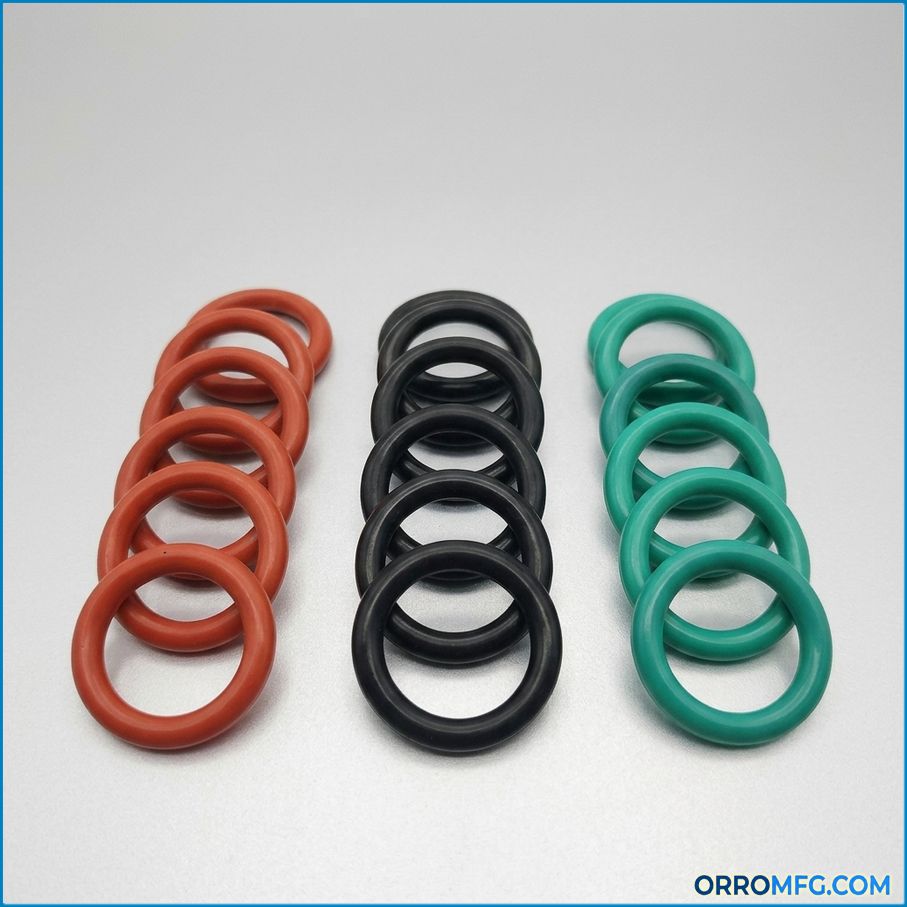
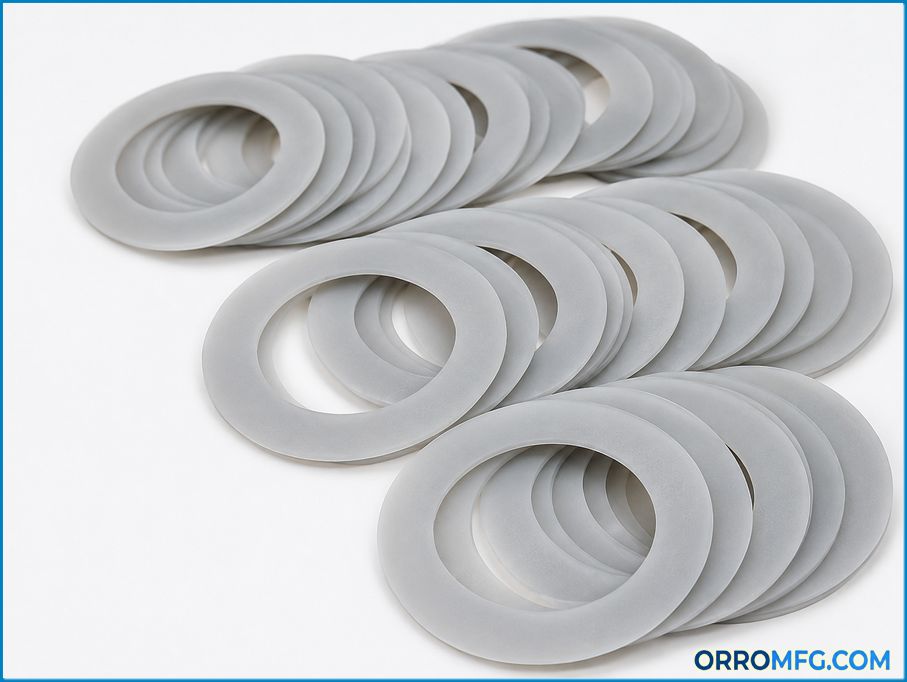
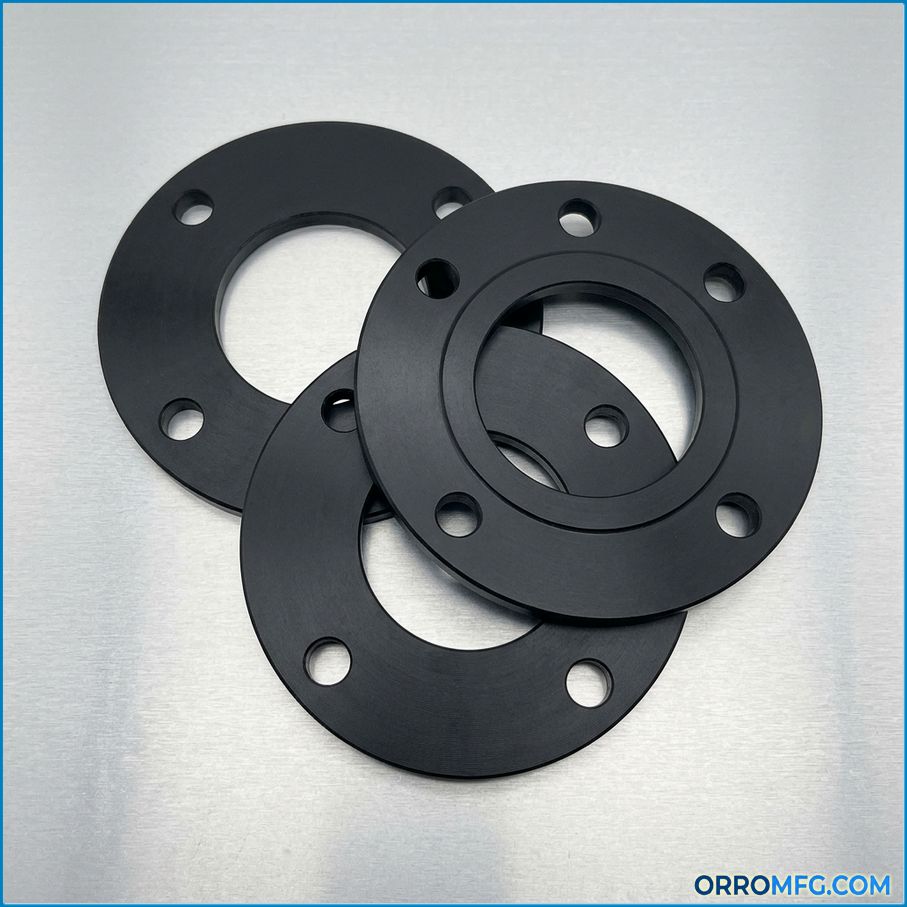
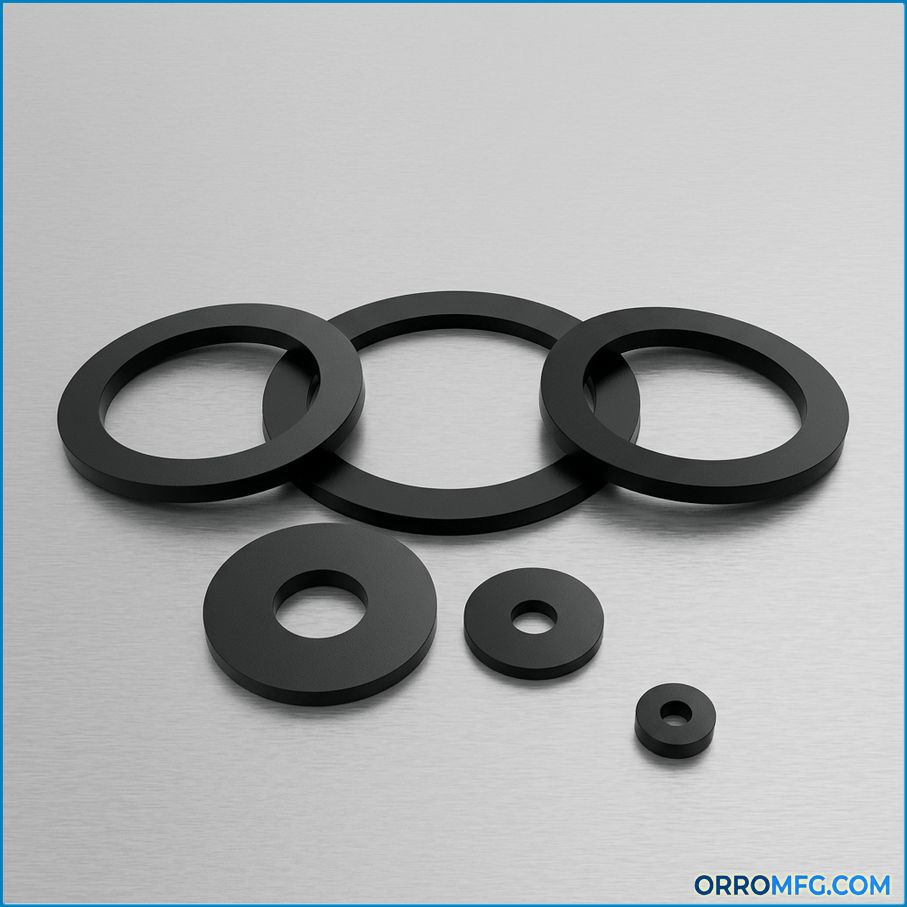
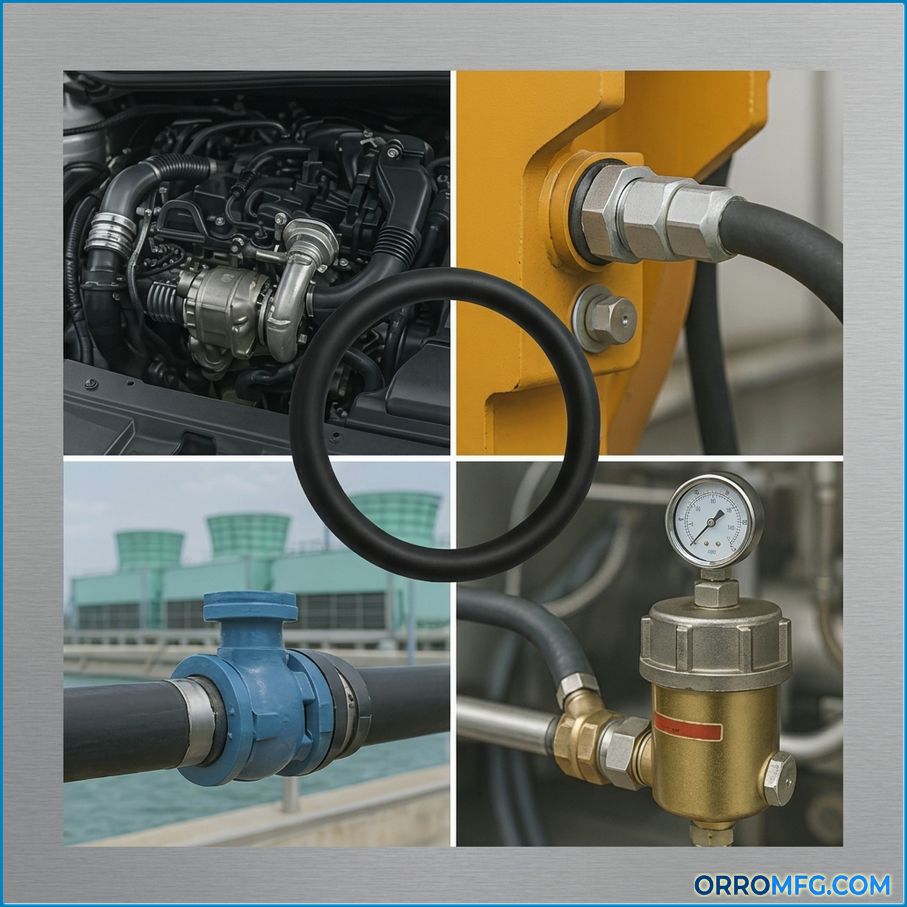
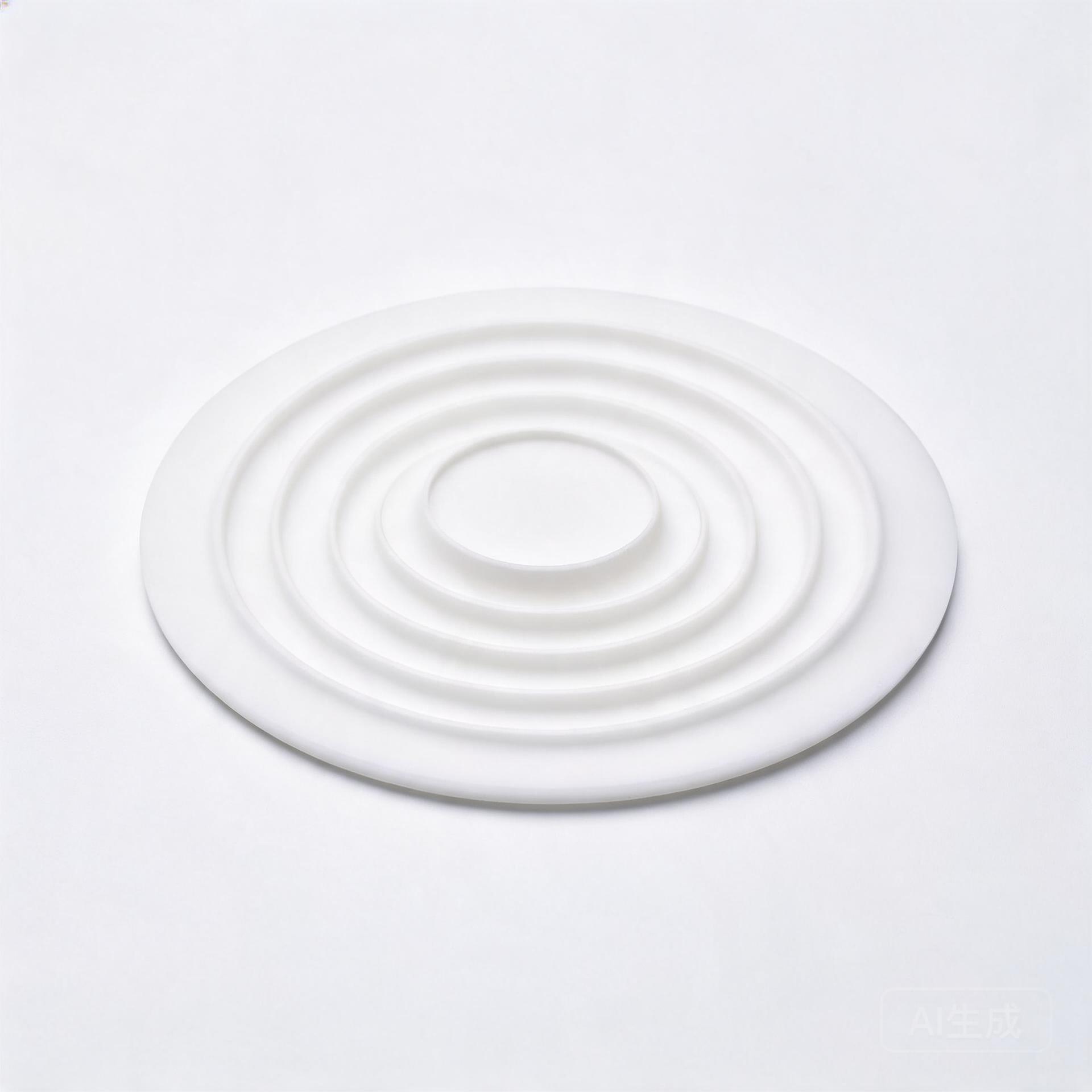
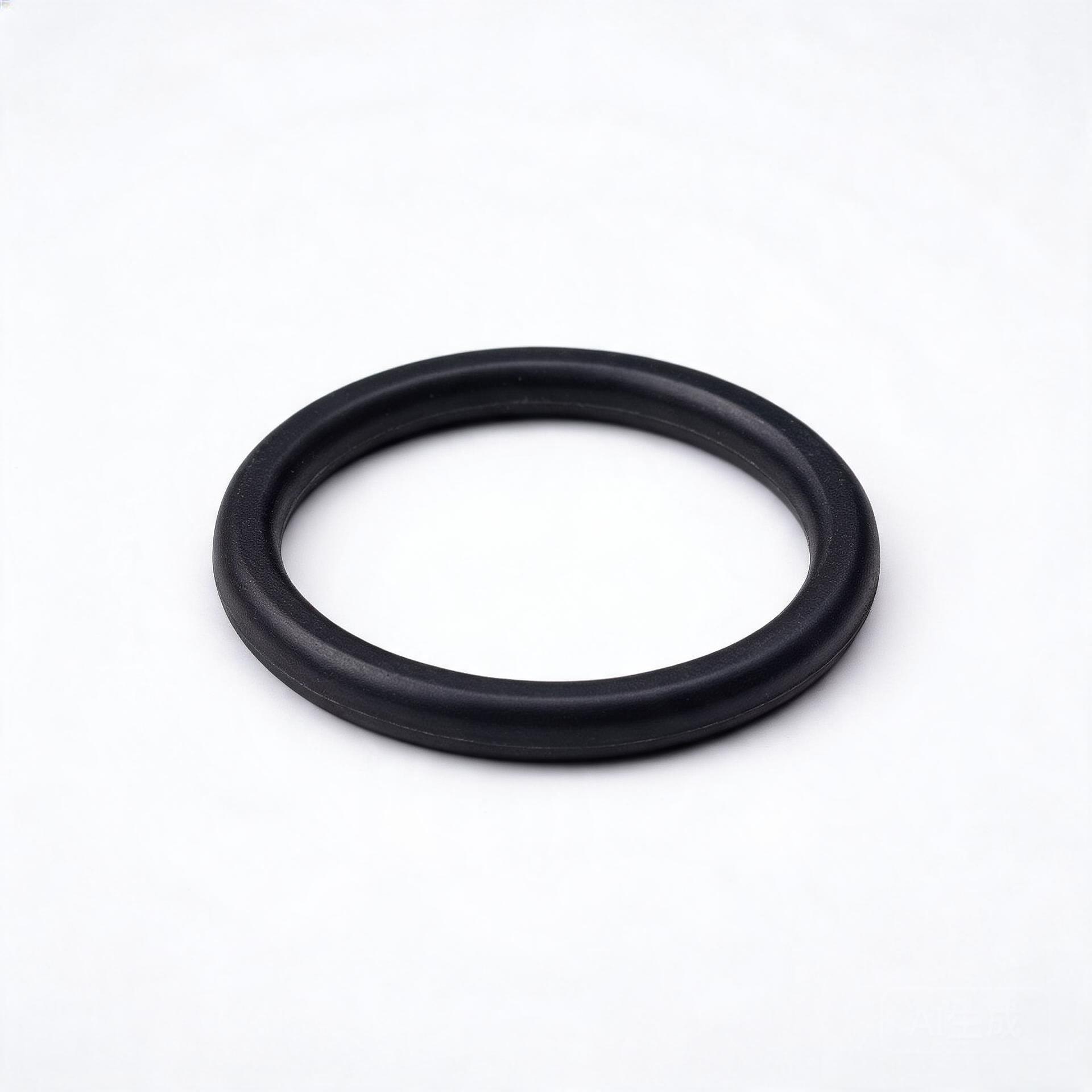
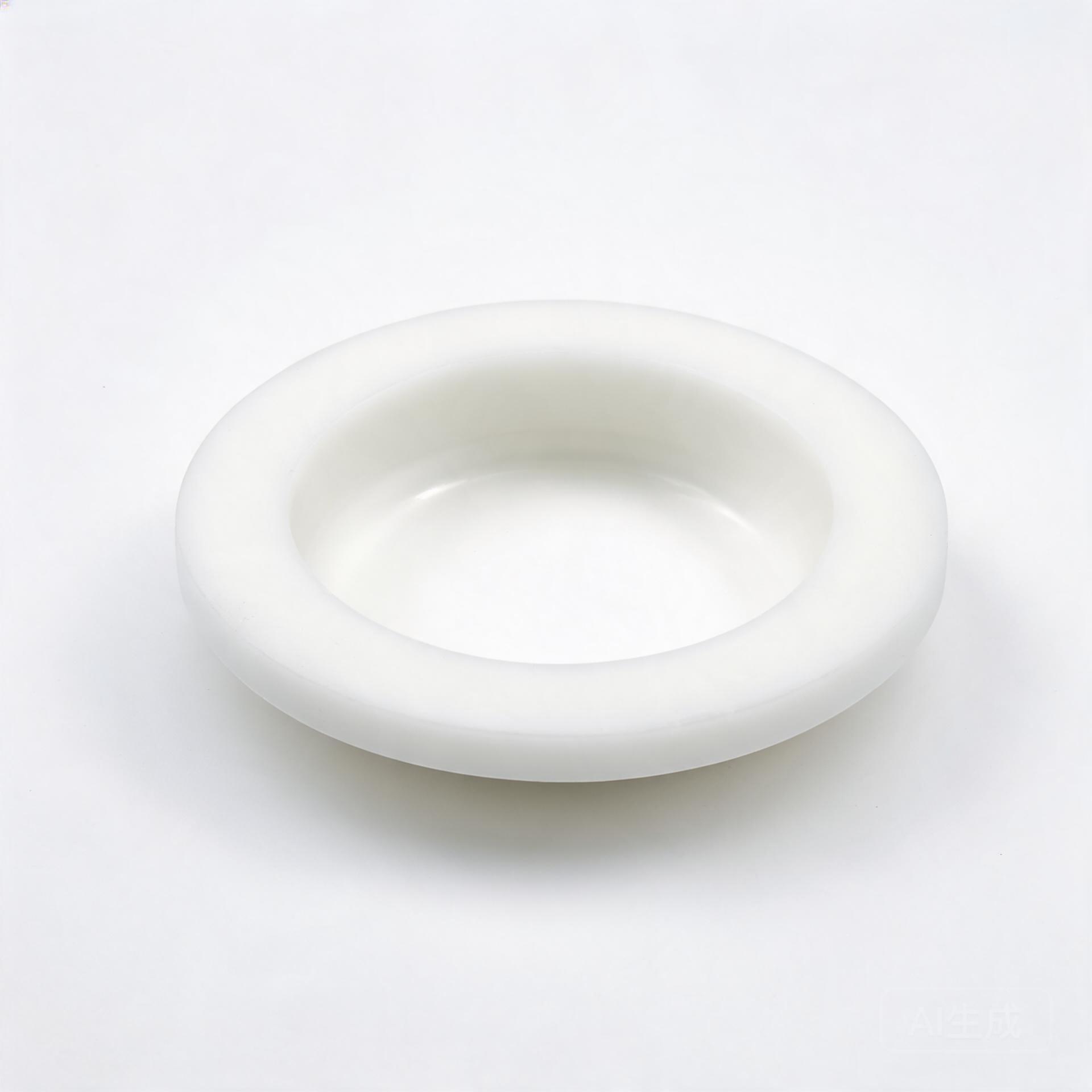
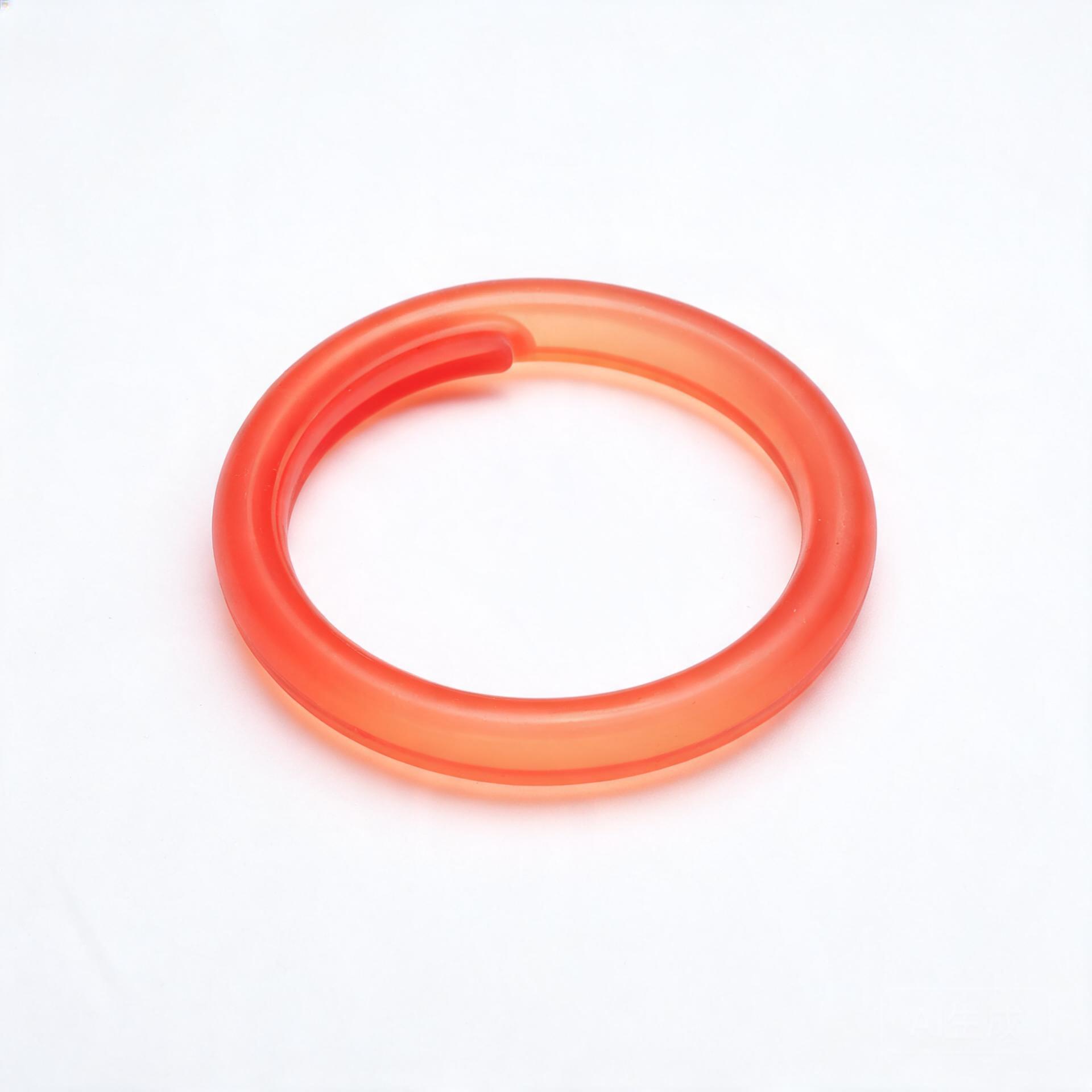
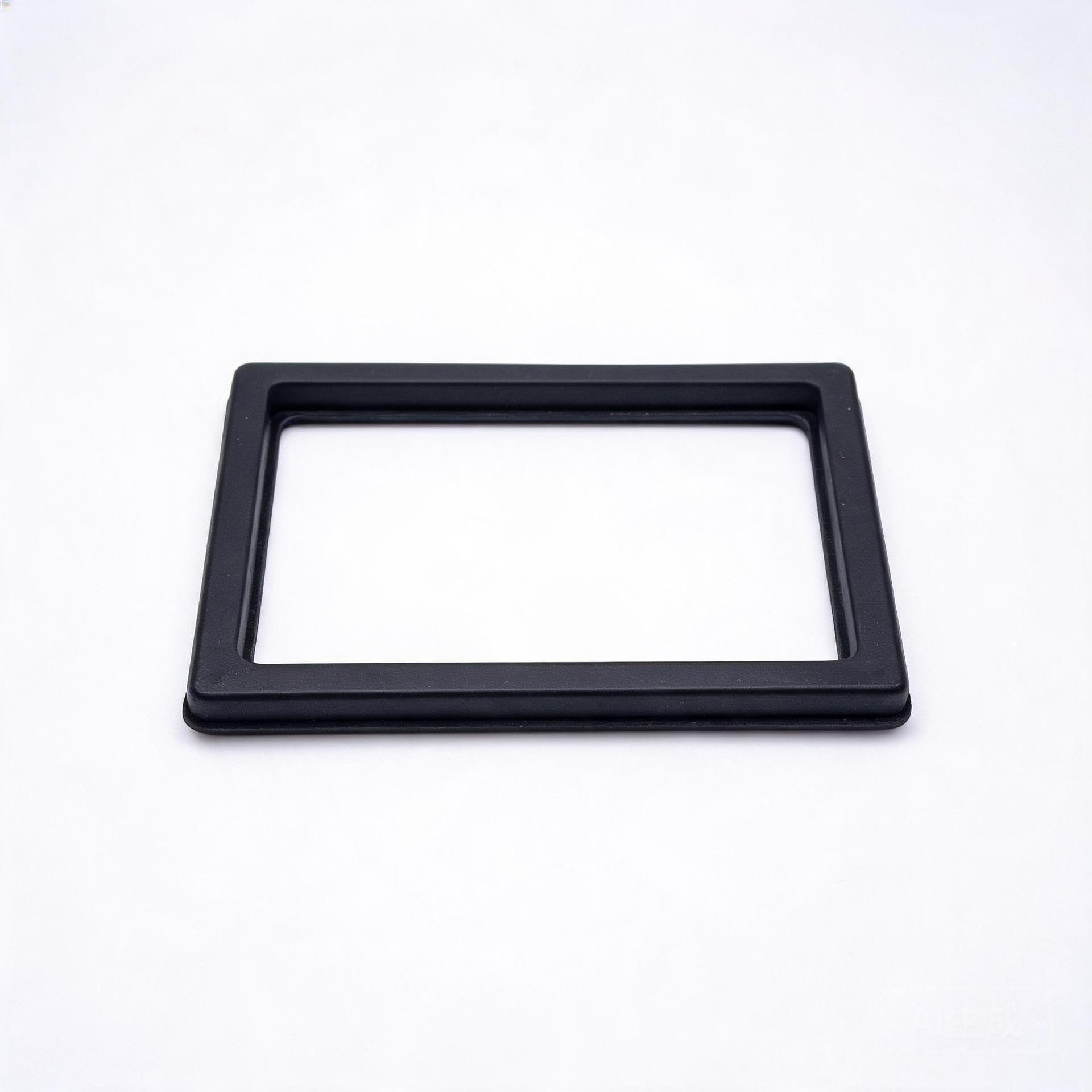
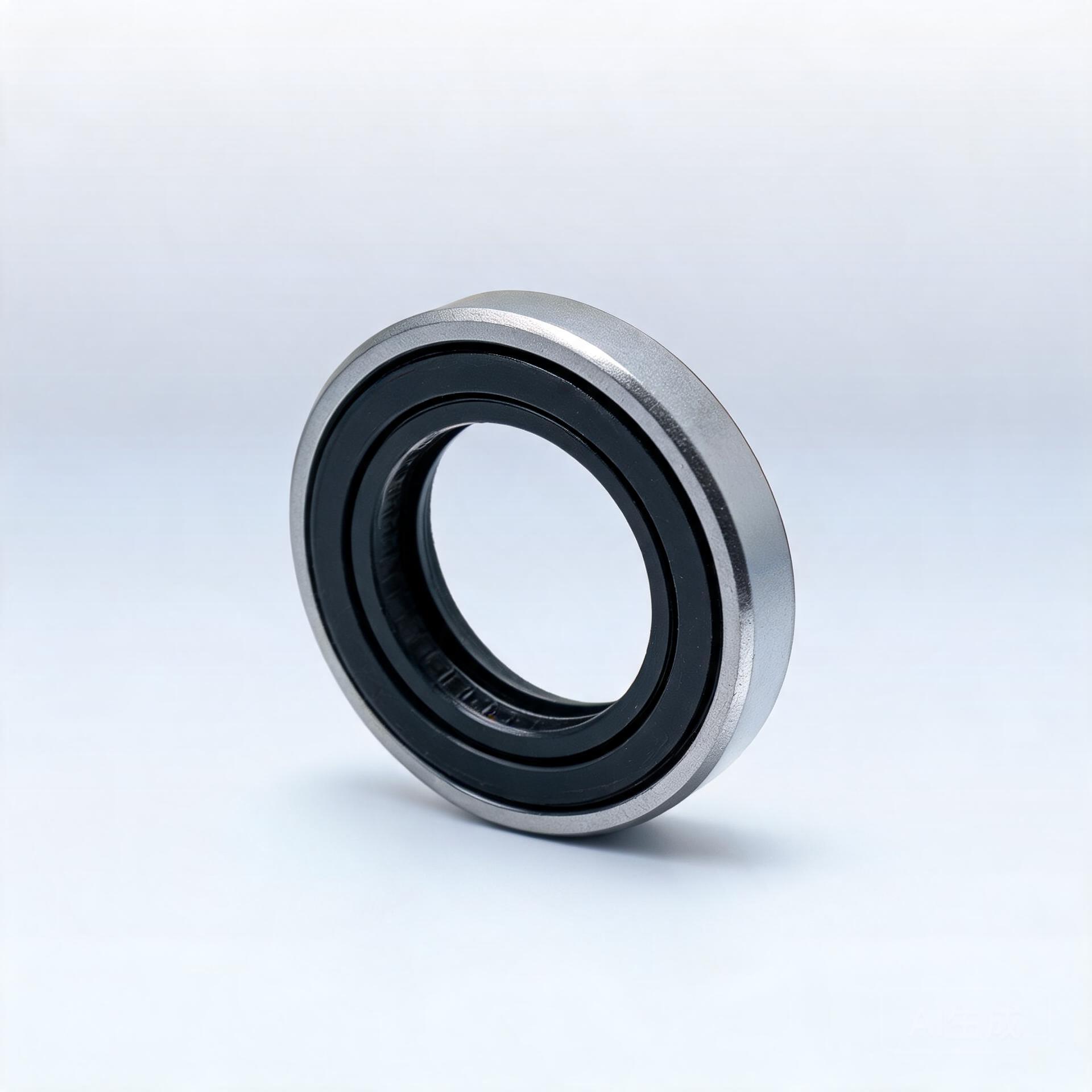
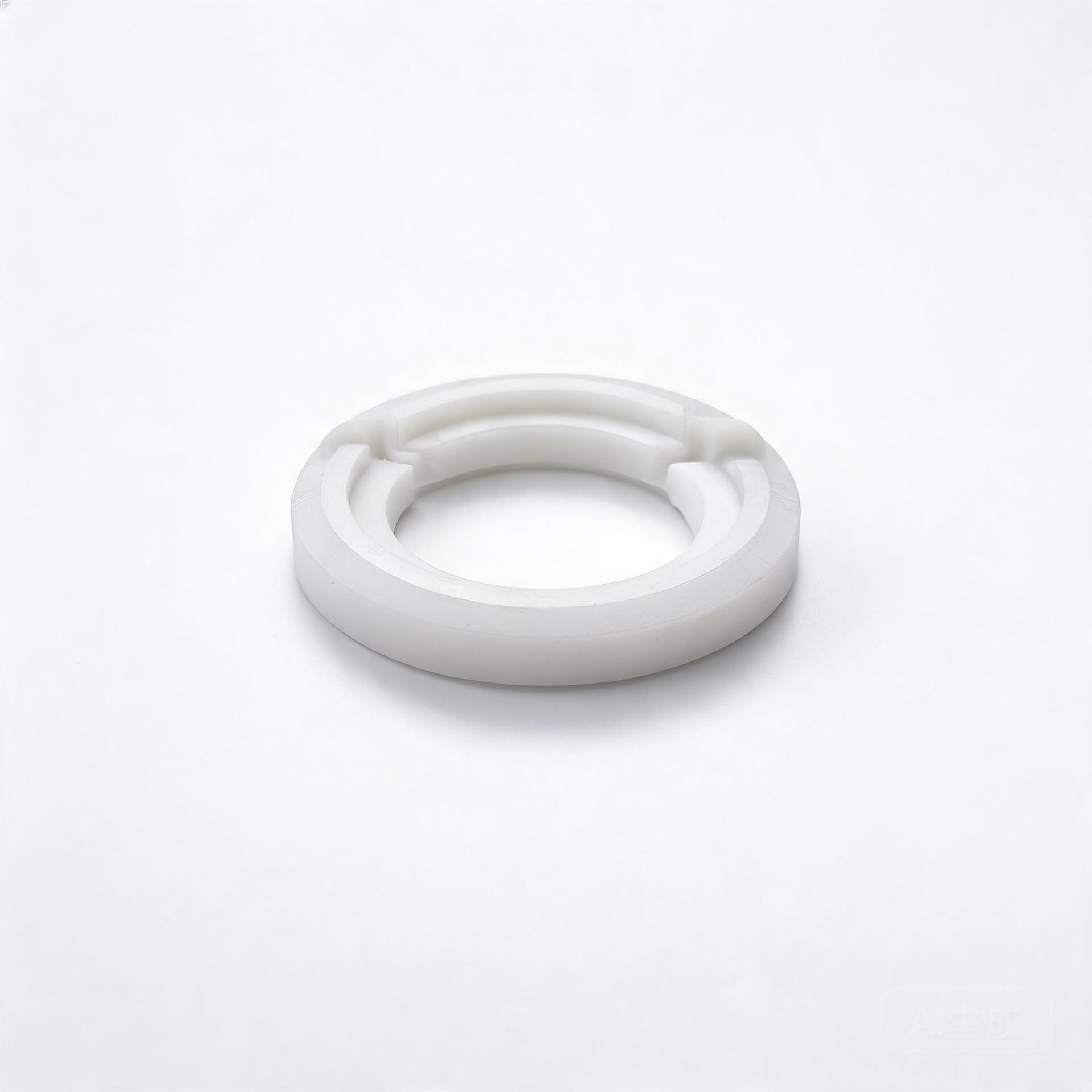
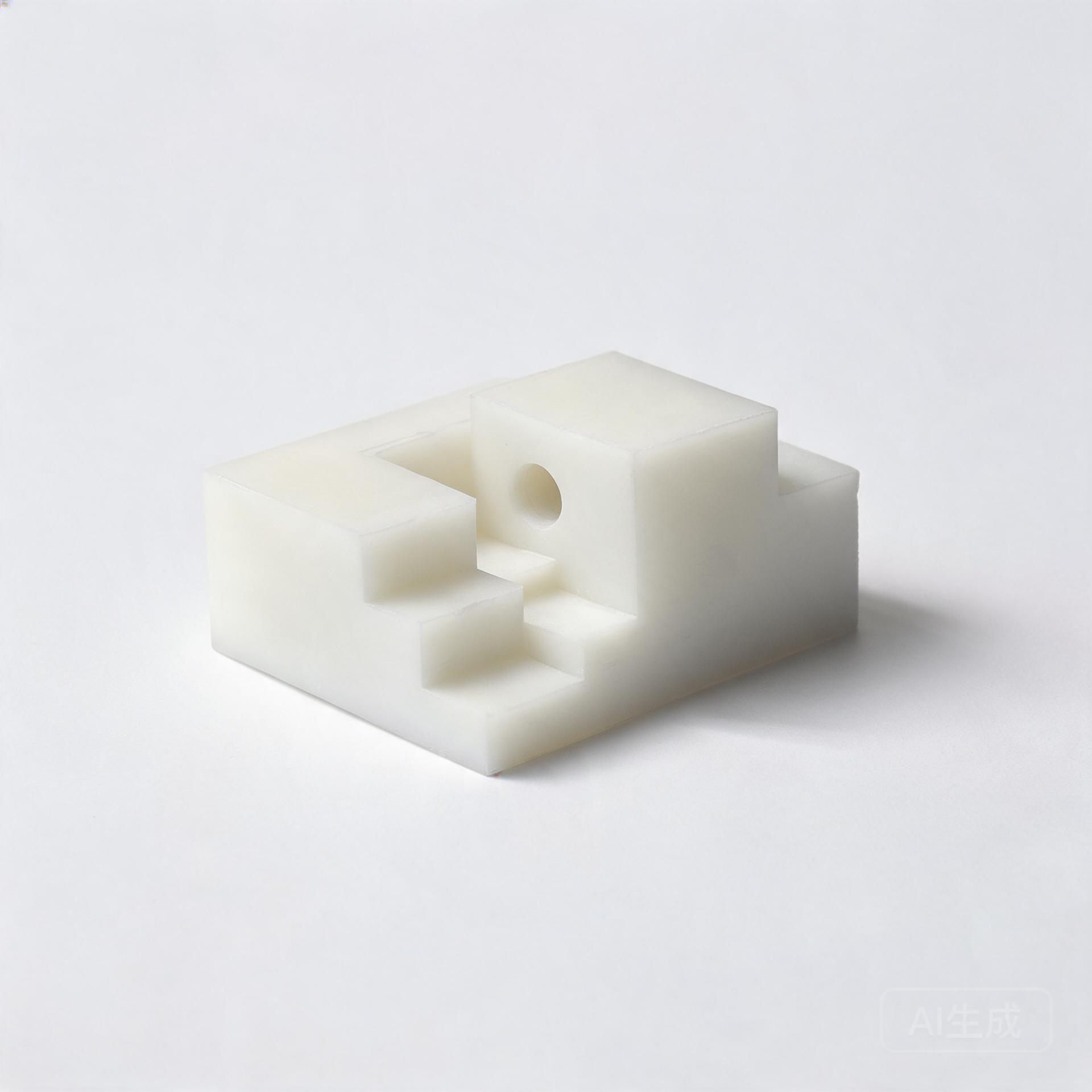
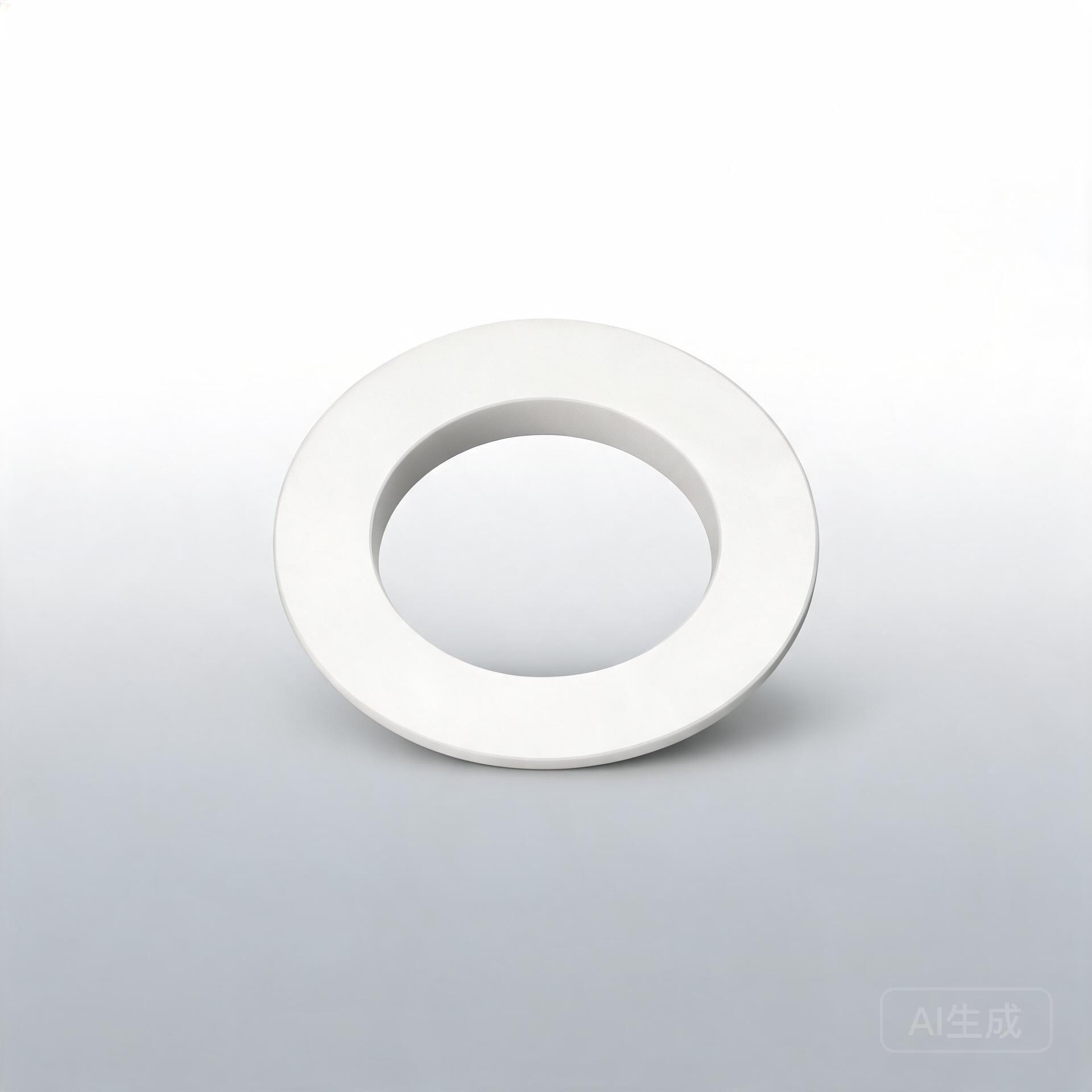
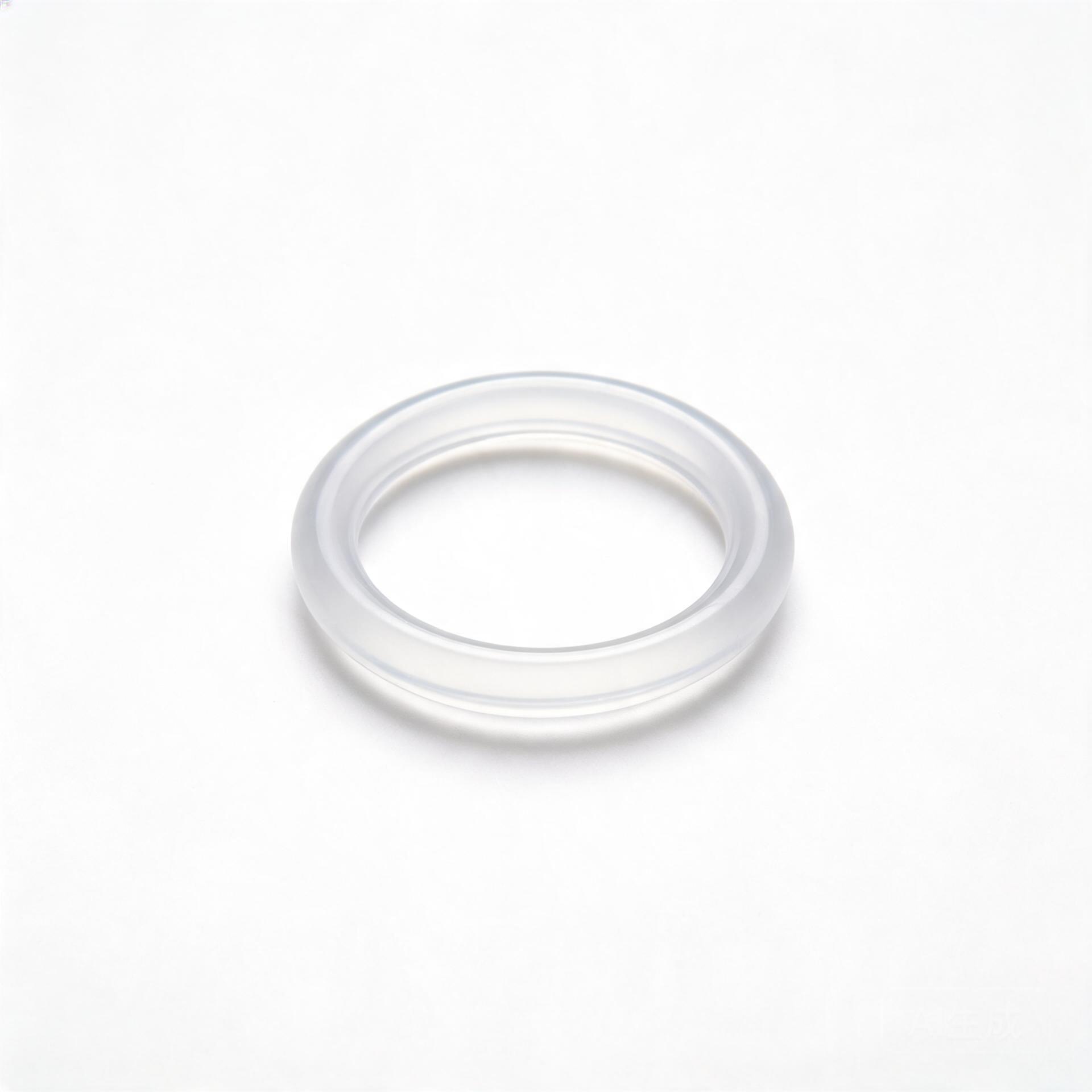
Non-metallic flat gaskets are the sheet gaskets cut or moulded from elastomers, PTFE and engineering plastics — the seals used on flanges, pumps, valves, heat exchangers and enclosures where a metal gasket would corrode, gall or conduct.
A gasket works by deforming to fill the gap between two faces. That single fact splits the material choice in two: soft elastomers seal by deformation, and hard plastics seal by clean, flat compression. Picking from the wrong side of that line is the most common sealing mistake we see.
This page compares the materials we make gaskets, O-rings, seals and diaphragms from. Each material links to its page; where a specific gasket in that material is already published, the link goes straight to it.
Soft or hard? Start here
- Soft elastomer (silicone, EPDM, NBR, PU) — the surface conforms to scratches and roughness, so it seals at low bolt load and tolerates imperfect faces. It is limited by temperature and by the chemical it can resist.
- Hard plastic (PTFE, PEEK, POM) — seals with a clean, flat, precisely machined face and higher bolt load. It is chosen for aggressive chemicals and high temperature, not for rough flange faces.
If the flange is scratched or the bolt load is modest, a soft gasket will outperform a hard one every time.
Which material for which medium
| Material | Best for | Watch out | Machined part |
|---|---|---|---|
| EPDM | Hot water, steam (to ~150 °C), weather and outdoor seals. | Hydrocarbon oils and fuels destroy it. | EPDM Gasket, EPDM HVAC Gasket, EPDM Flat Gasket |
| Silicone (VMQ) | Wide temperature range, food and medical grade, easy to compress. | Tears easily; swells in many oils and fuels. | Silicone O-Ring, Custom Silicone Gasket, Food-Grade Seal |
| NBR (Nitrile) | Oil, fuel and grease resistance — the standard oil seal. | Ozone, weathering and ketones; not for outdoor duty. | NBR Flat Gasket, NBR O-Ring, NBR Oil Seal |
| Polyurethane (PU) | Abrasion and pressure; wipers and scrapers. | Hot wet service hydrolyses it; limited to ~80–90 °C. | PU Scraper Blade |
| PTFE | Nearly every chemical across the whole pH range, to 260 °C; food and pharma. | Hard — needs a flat face and load; creeps, so use a filled grade under pressure. | PTFE Gasket, PTFE Flat Washer, Gasket Ring, PTFE Diaphragm |
| PEEK | Steam, autoclave and high temperature with mechanical load. | Cost; stiff, so the flange must be flat. | PTFE/PEEK valve parts, PTFE Valve Seat, Chemical Valve Seat |
Washer or gasket?
The two words are used interchangeably in most purchasing systems, and physically they are often the same ring. The difference is the job:
- A flat washer spreads bolt load, spaces a component, insulates, or gives a sliding surface. Its critical dimensions are bore, outside diameter and thickness tolerance.
- A flat gasket seals a joint. Its critical dimensions are bore, outside diameter and thickness plus the material’s ability to recover after compression.
In practice the material decides which one you get. A soft elastomer washer is almost always doing a sealing job — that is why it deforms. A PTFE washer is usually doing an insulating or slip job, because it does not deform enough to seal a rough face.
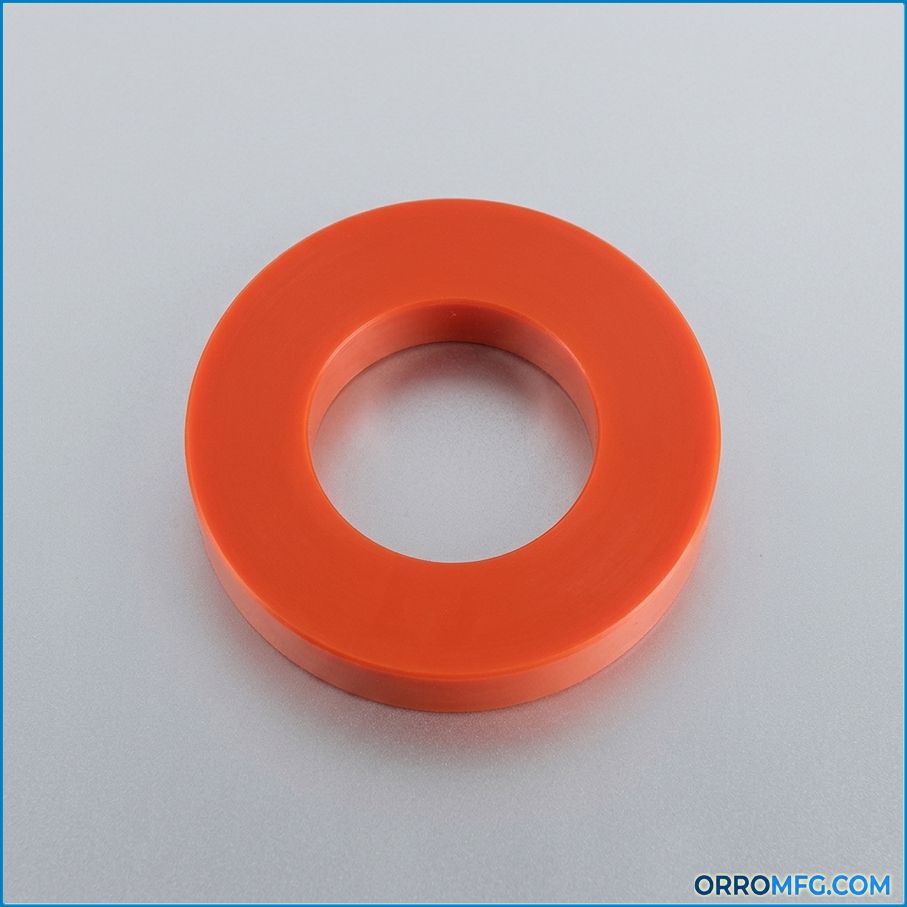
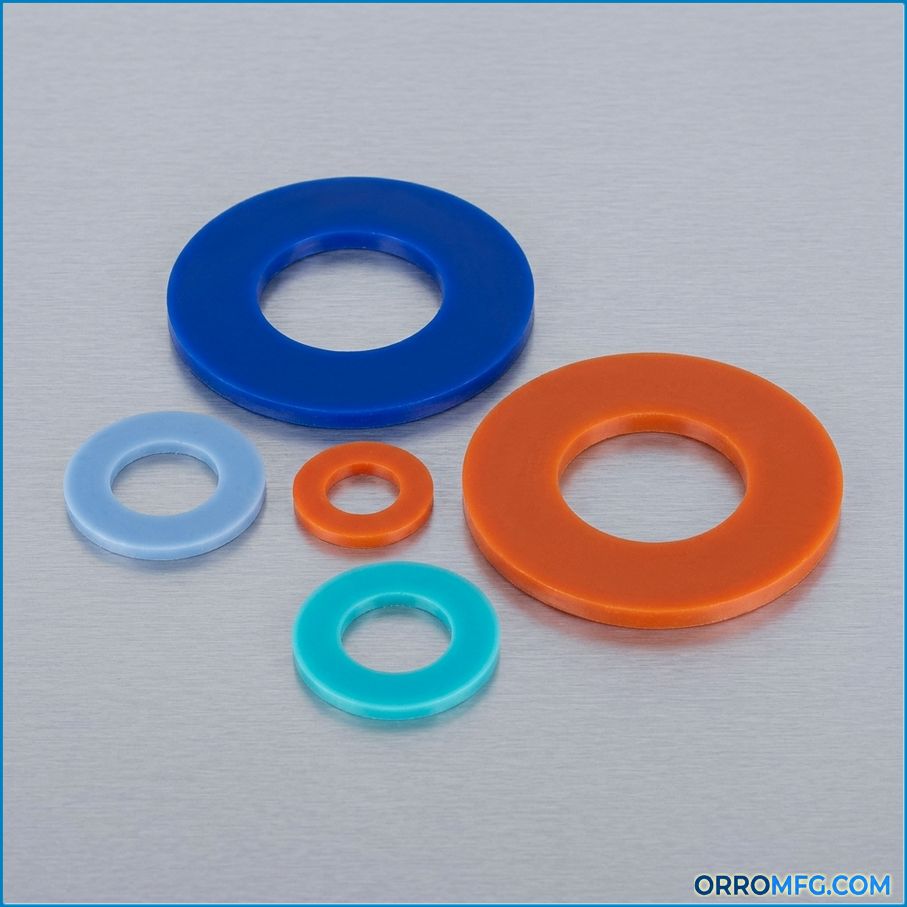
Picking the material for a flat washer
| Duty | Material | Page |
|---|---|---|
| Oil, fuel, hydraulic fluid | NBR (Nitrile) | NBR Flat Gasket |
| Water, steam, outdoor | EPDM | EPDM Flat Gasket |
| Heat, food contact, insulation | Silicone (VMQ) | Custom Silicone Gasket |
| Aggressive chemicals, high purity | PTFE | PTFE Flat Washer |
Thickness is a decision, not a default
- 1 mm — machined faces, low pressure, minimum gap.
- 1.5 mm — the general-purpose stock thickness for rubber washers.
- 3 mm — cast or worn flanges, thermal cycling, joints opened during maintenance.
- 5 mm and above — irregular faces and gap filling only; beyond this the gasket compresses unevenly and bolt load falls.
Thicker is not safer. A gasket that is too thick compresses less per unit of bolt load, takes a set, and leaks on the next cycle.
Getting a seal to actually seal
- Match the gasket to the chemical and the temperature first, the geometry second. A perfect groove with the wrong rubber still leaks.
- Do not over-compress a soft gasket. Squeeze it past its elastic range and it takes a set and leaks on the next heat cycle.
- Give PTFE a flat face and real load. A hard gasket relies on bolt torque, not on conforming — and on a rough face it will not seat.
- Re-torque PTFE after the first cycle. It creeps cold, so sealing force drops over time; a filled grade reduces this.
- Consider the standard. Flange dimensions and groove sizes are usually fixed by the equipment, so state the standard (DIN, ANSI, JIS) on the enquiry.
Material limits behind this table are in the material selection guide; each material page carries its full ten-section guide, including stock forms and fit / not-fit lists.
Send the drawing or the groove dimensions with the medium, the concentration and the temperature, and we will recommend the material and hardness. Request a quote.