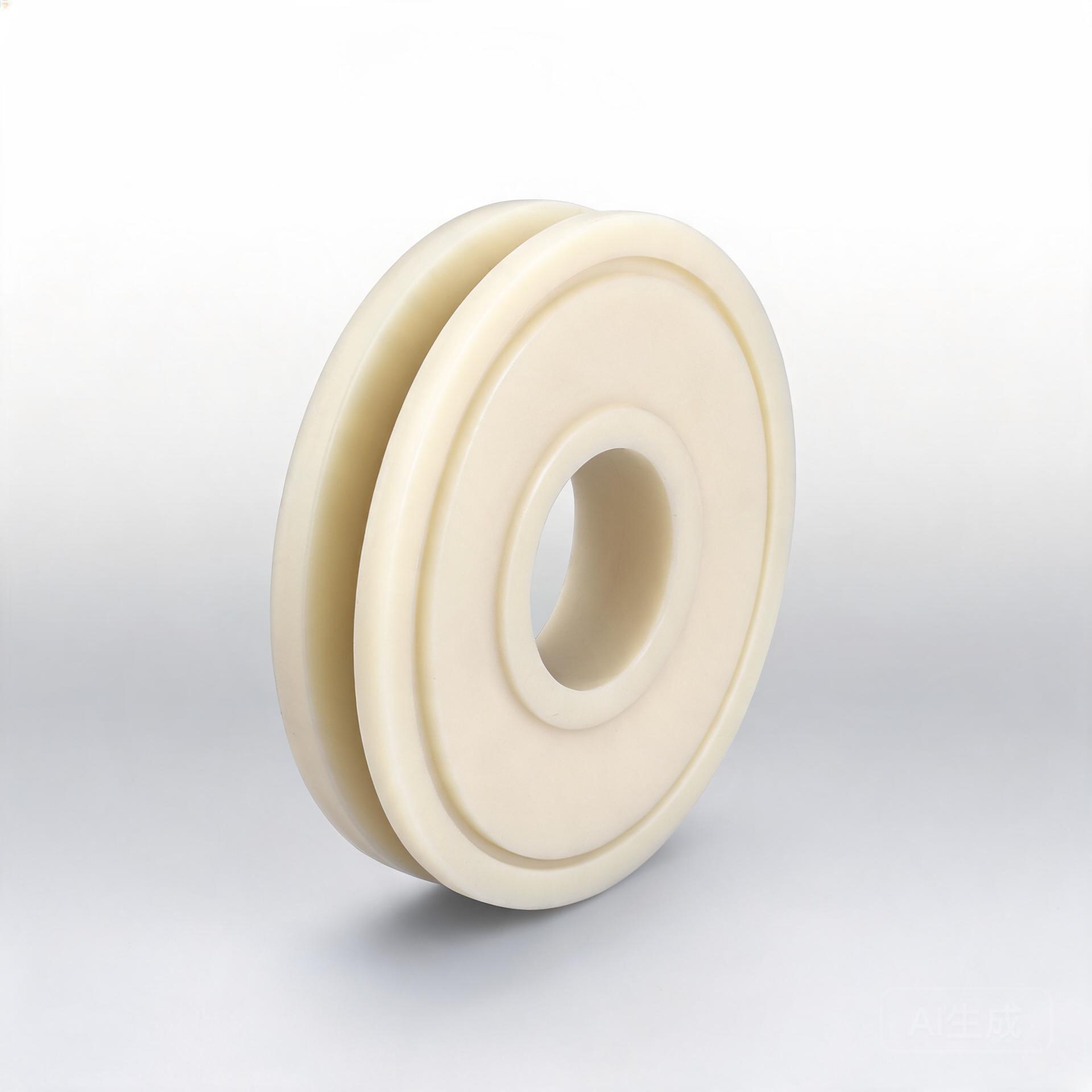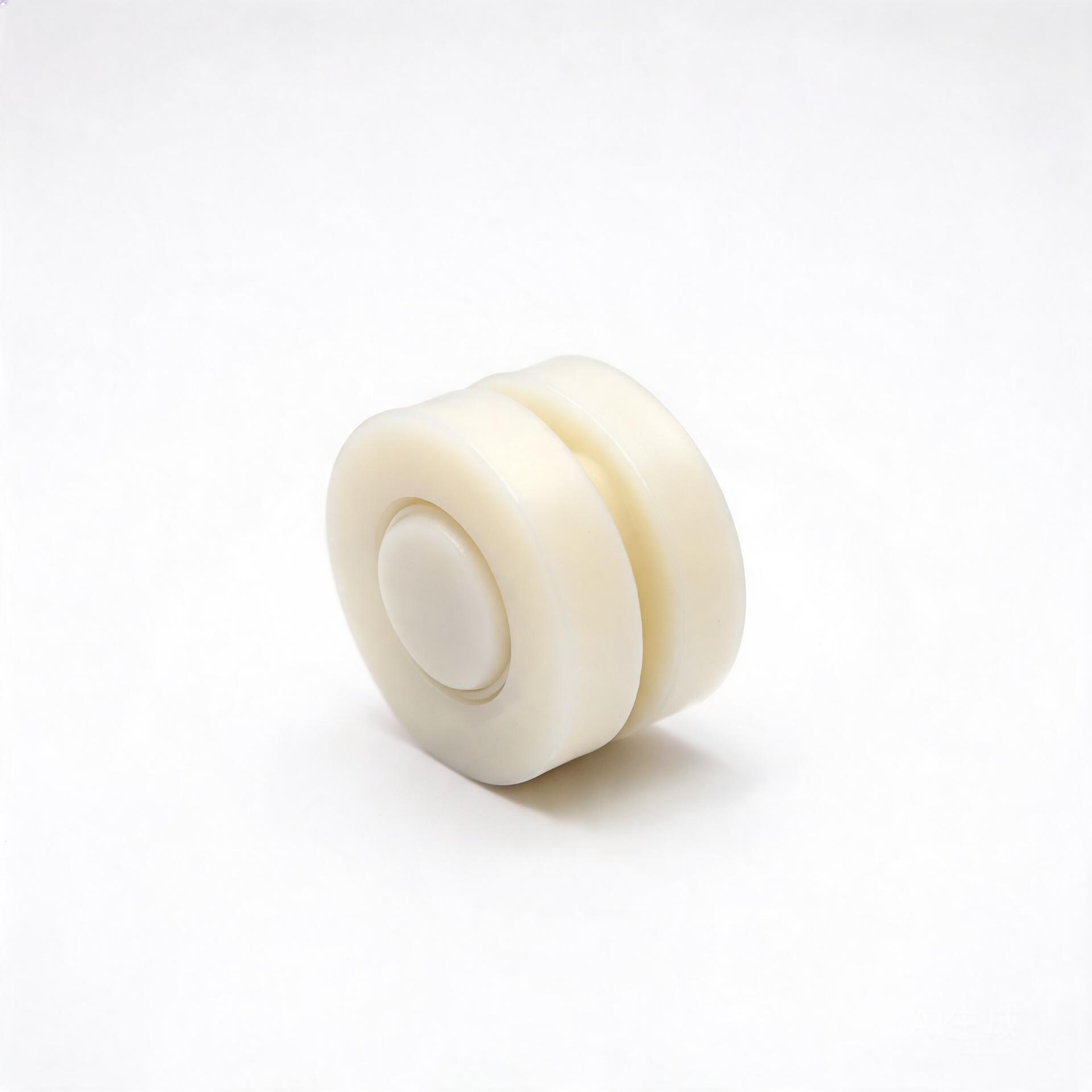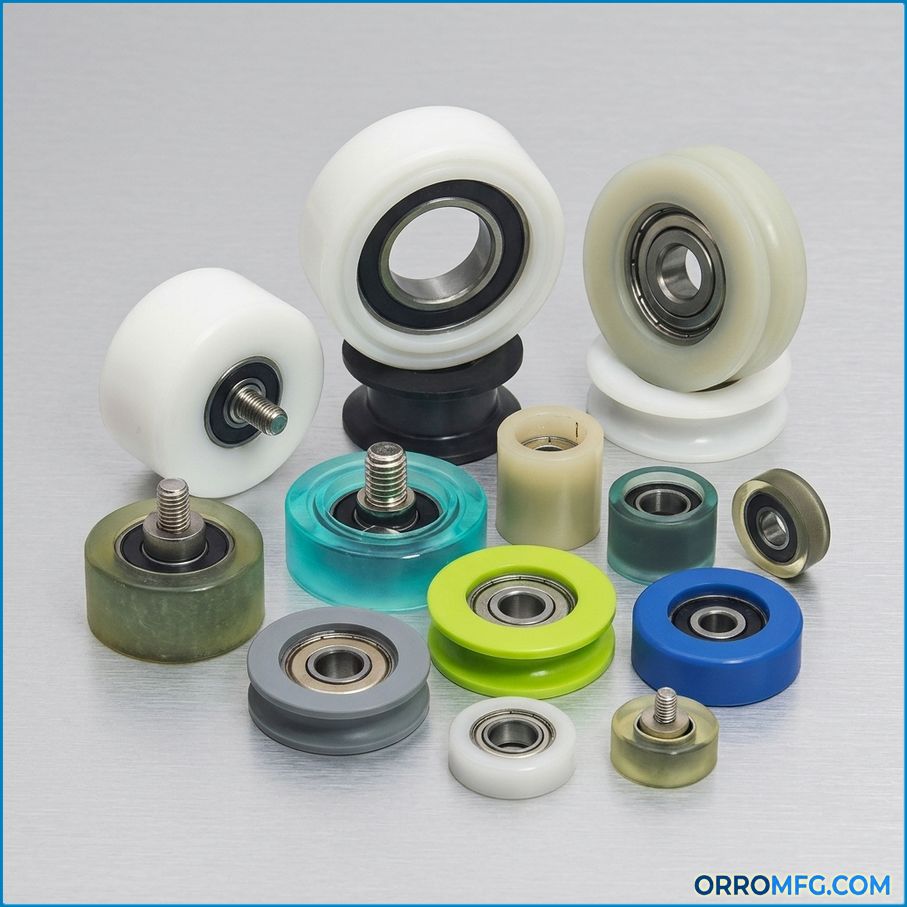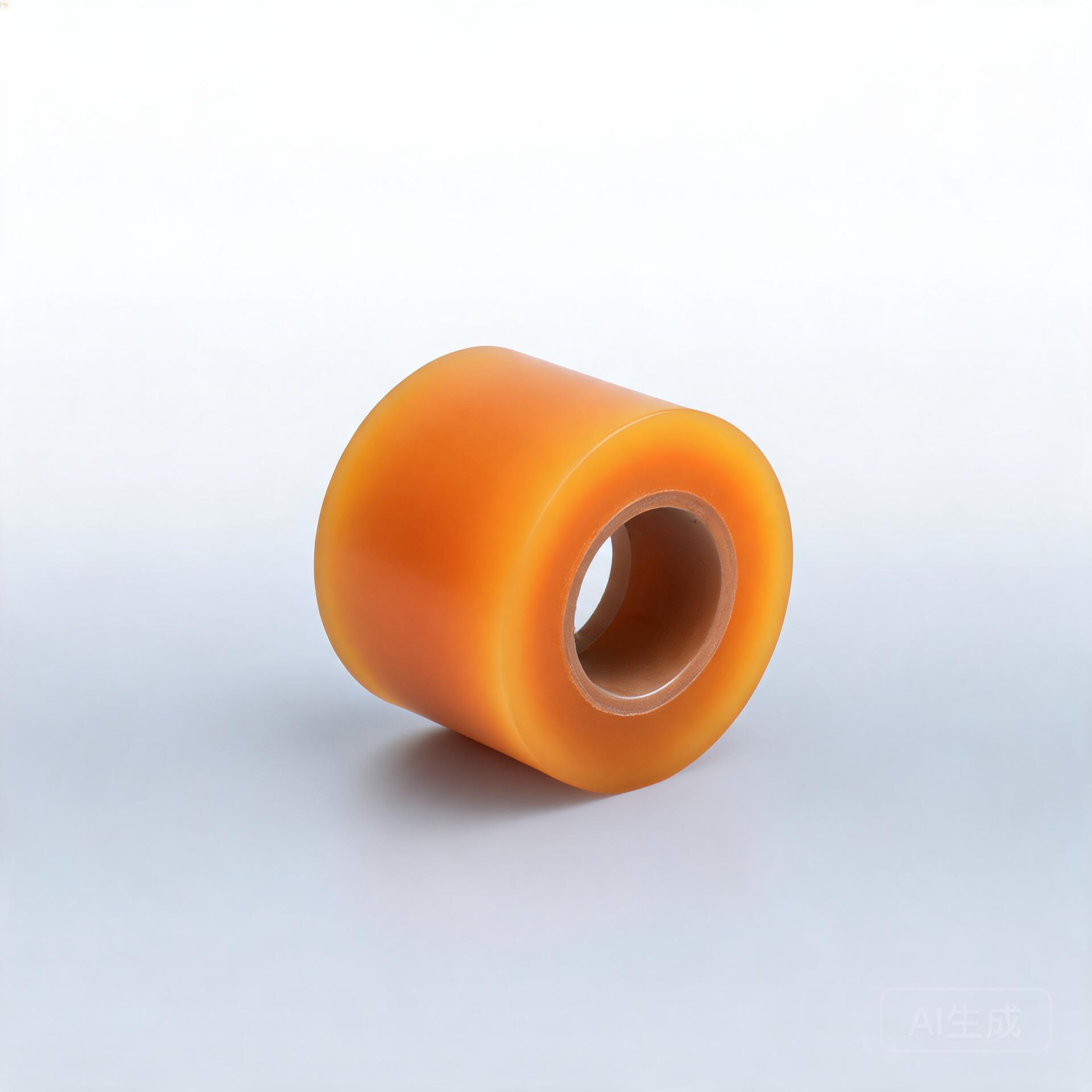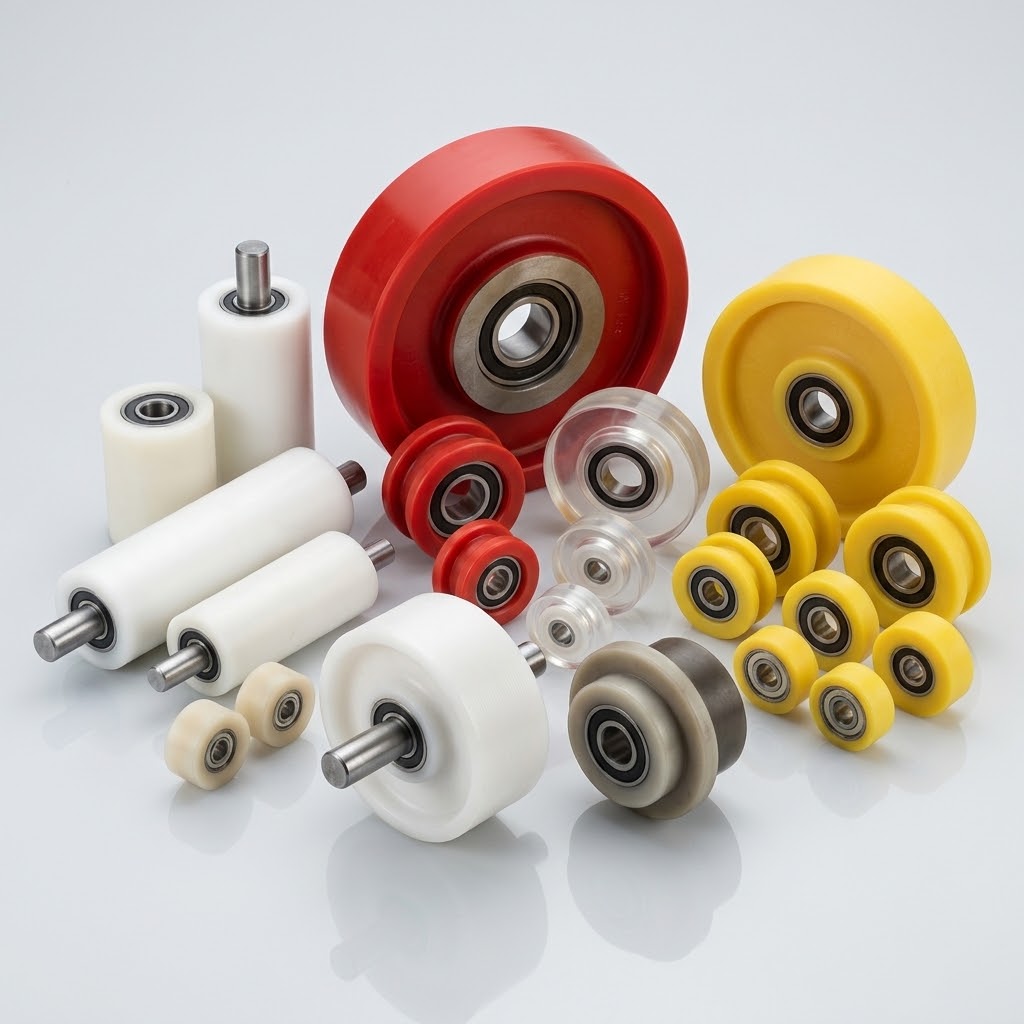
A roller or wheel is a wear part that also has to grip, roll quietly and not mark what it touches. Four properties decide the material — grip (friction), wear resistance, noise and load capacity — and they pull in different directions, which is why there is more than one right answer here.
This page compares the materials we machine rollers, guide wheels and track rollers from. Each material links to its page; where a specific roller in that material is published, the link goes straight to it.
Pick by the property that matters most
- Grip and abrasion resistance → polyurethane.
- Low friction and quiet sliding → UHMWPE.
- Precision and stiffness → POM.
- Tough, light and impact-resistant → nylon.
Which material for which roller
| Material | Best for | Watch out | Machined part |
|---|---|---|---|
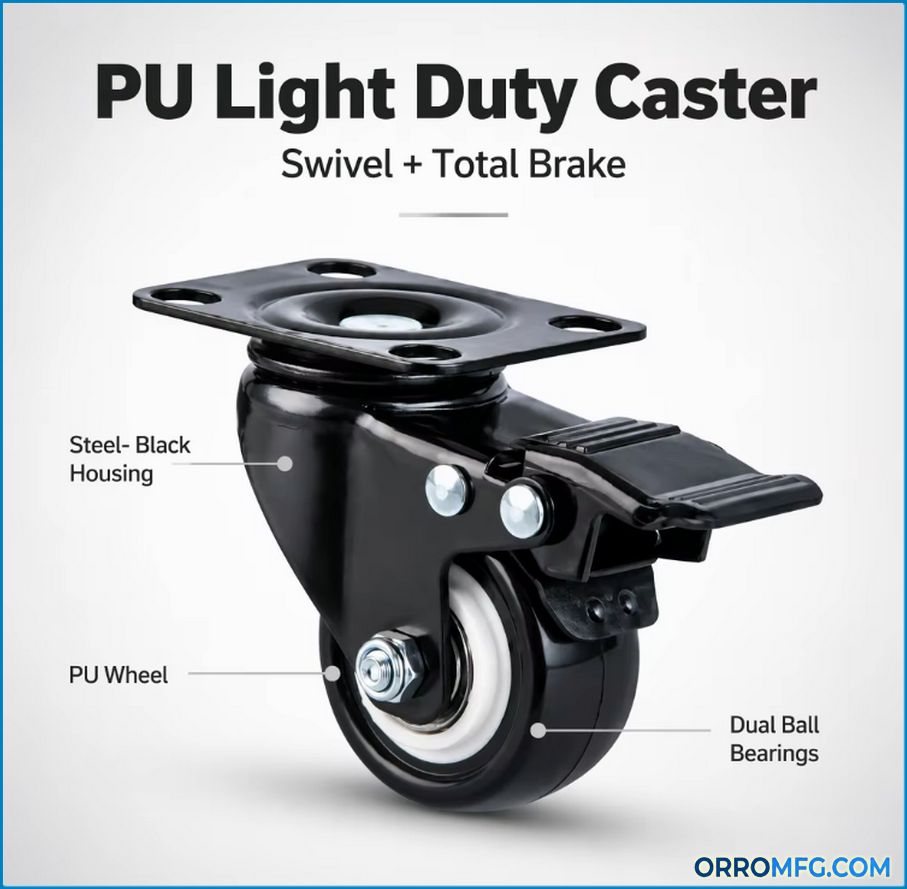
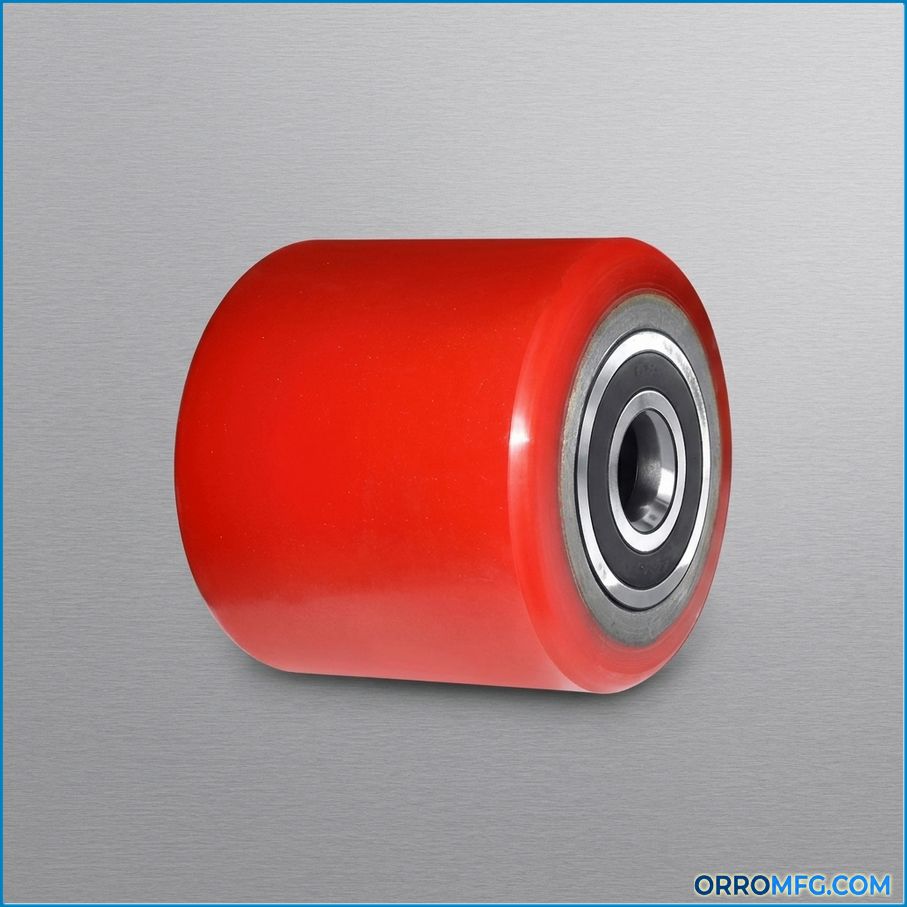
| Polyurethane (PU) | Drive rollers, gripper wheels and anywhere friction matters — the highest grip and abrasion resistance. | Hydrolyses in hot wet service; keep below ~80–90 °C. | PU Roller, PU Guide Wheel, PU Roller Sleeve |
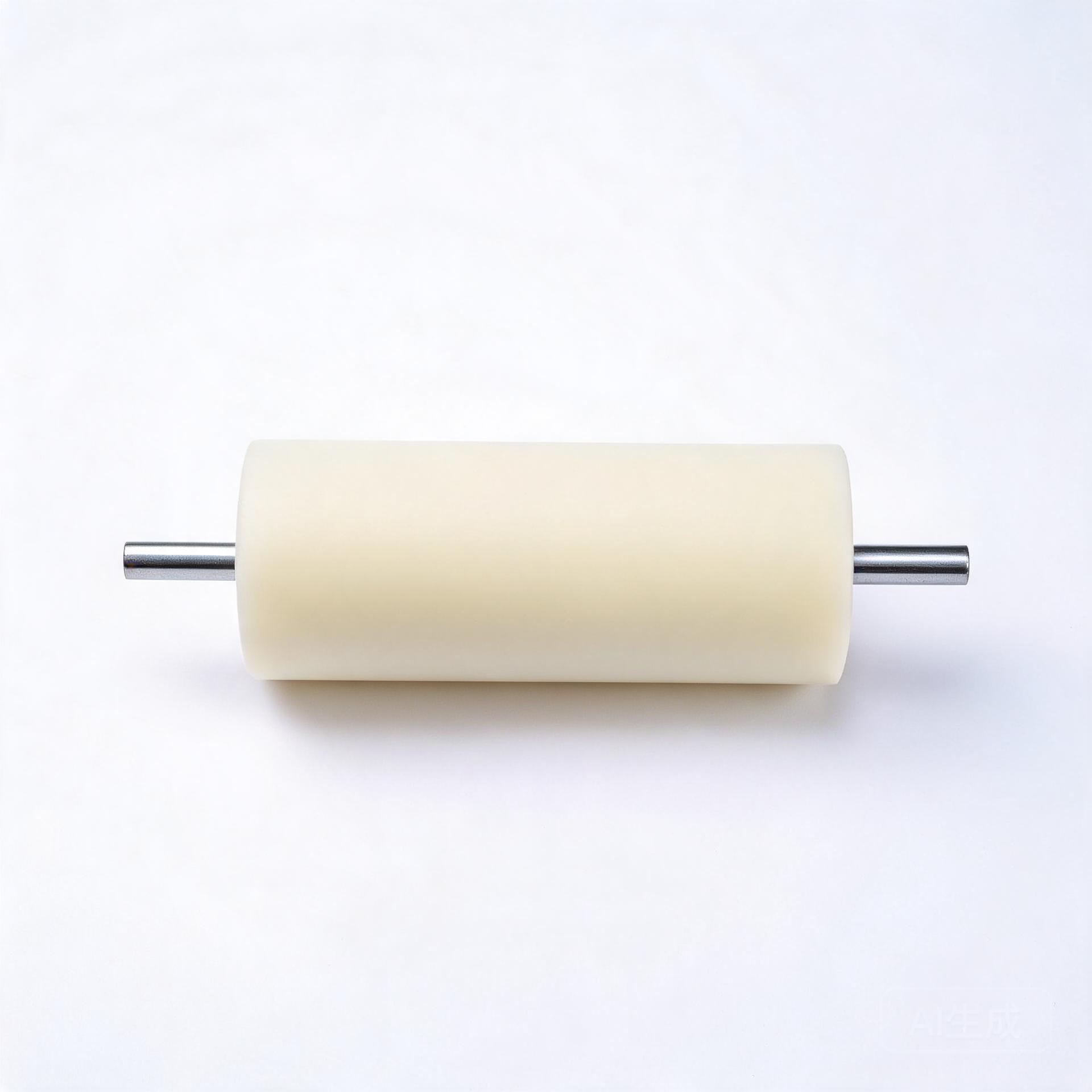
| Nylon | Tough, light, quiet rollers and guide wheels; tolerates impact. | Moisture growth changes the bore; specify the fitted condition. | Nylon Conveyor Roller, Nylon Guide Wheel |
| POM (Acetal) | Precise, low-friction rollers and track rollers; stable and machinable. | Softens above ~100 °C under load. | POM Track Roller |
| UHMWPE | Lowest-friction sliding contact; wear strips and idler surfaces. | Creeps under sustained load; hard to glue; low stiffness. | UHMWPE Wear Strip |
| PEEK | High-temperature or chemically aggressive rollers (rare, but sometimes required). | Cost — only where temperature or chemistry demands it. | PEEK parts |
Design notes that keep a roller running true
- Consider a composite. A machined steel or aluminium core with a PU tyre gives stiffness and grip — the best of both, and what we build most often.
- Crowning, not just diameter. A slight crown keeps a belt or web centred; a perfectly cylindrical roller lets it wander.
- Bearing seat matters more than the tyre. The bore tolerance and the shaft fit decide whether the roller runs true; hard plastics hold it better than soft ones.
- Temperature at the surface. Friction heats the contact patch; a PU roller running hot on a fast belt can soften and lose grip.
- Environment. Washdown, oils and UV each rule materials in or out — PU for abrasion, but check the fluid it meets.
Material temperature and chemical limits are in the material selection guide; each material page carries its full ten-section guide.
Send the drawing with the load, the speed, the surface it touches and the temperature, and we will recommend the material and the profile. Request a quote.